

P.S. For updated services and prices, please contact the individual business directly.
Introduction – Hotel Giardino as a base for your adventure
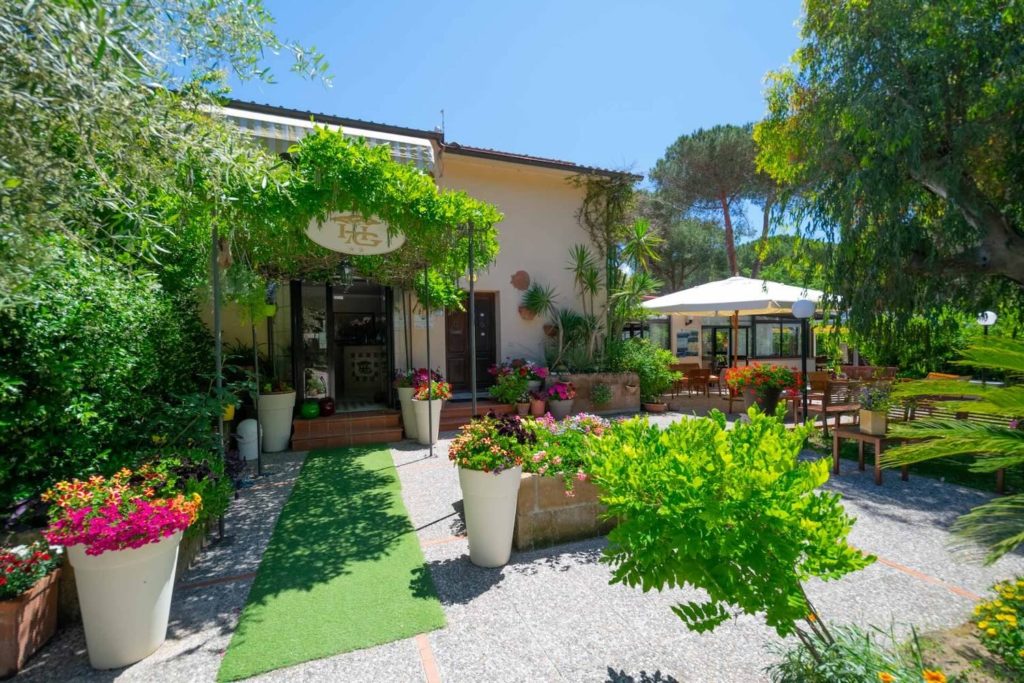
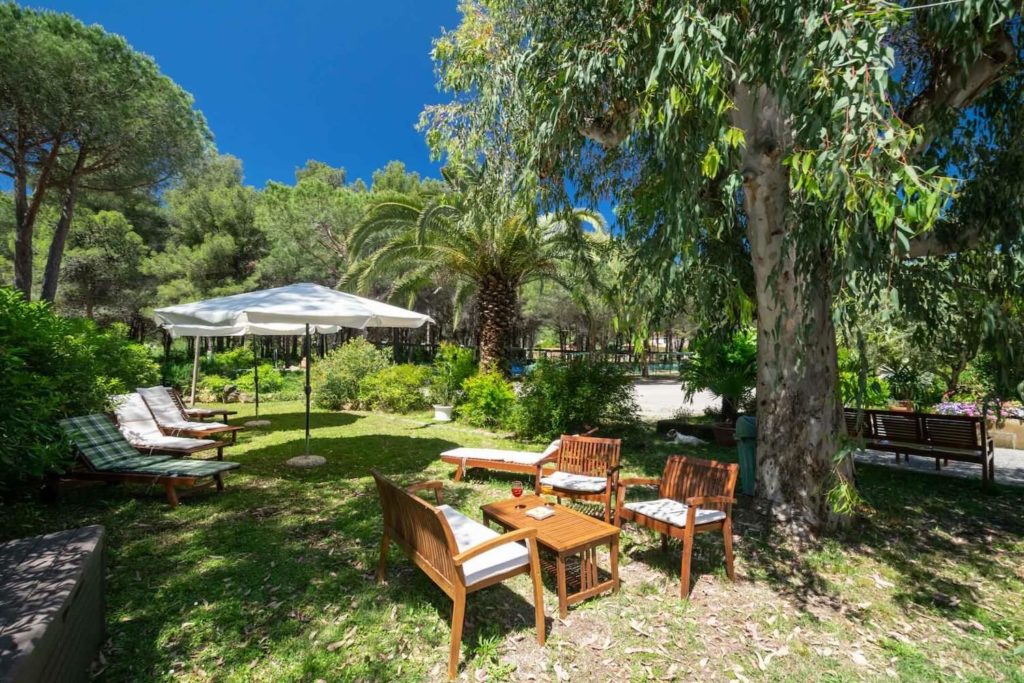
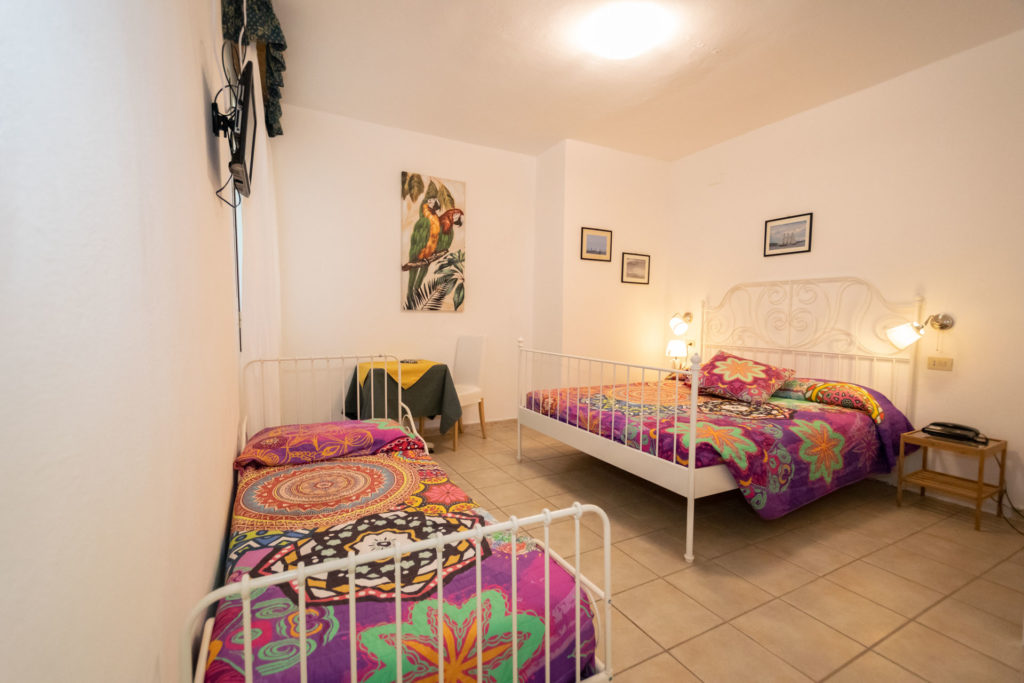
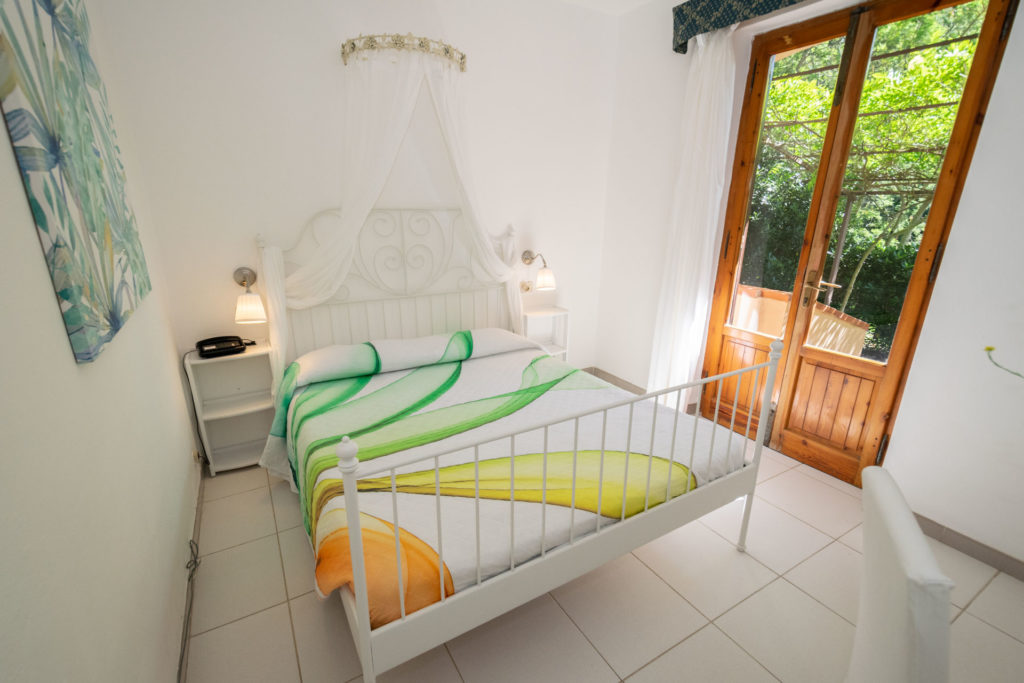
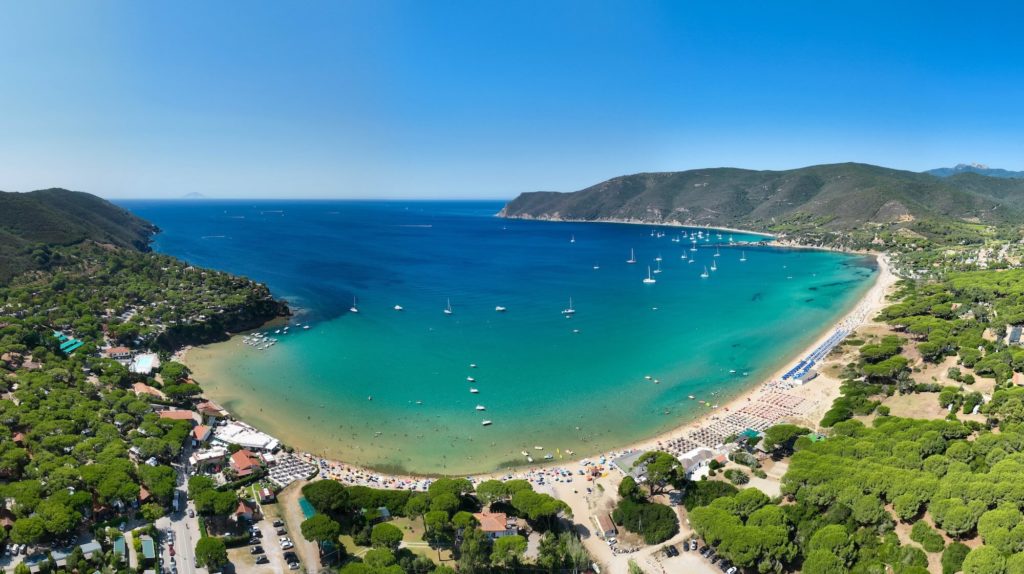
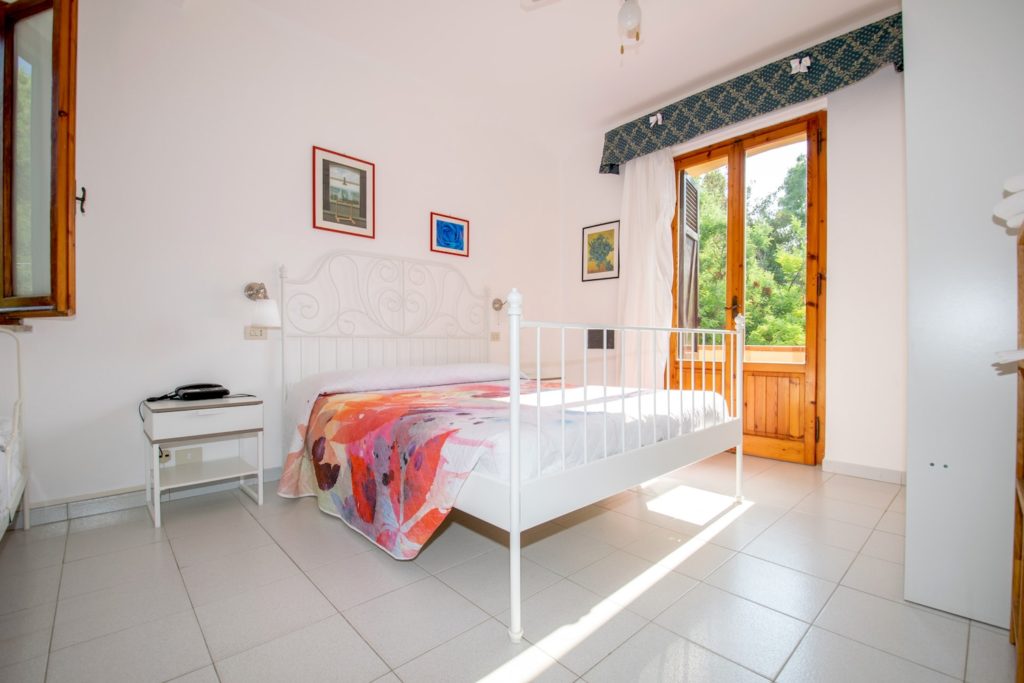
Hotel Giardino is a family‑run property in Lacona, on the south side of Elba. Surrounded by a 30 000 m² park and pinewood, it is just 100 m from Lacona’s famous golden beach. The location offers tranquillity yet is close to the island’s main resorts – within a 10–15‑minute drive you can reach Marina di Campo, Capoliveri, Porto Azzurro and Portoferraio. Rooms have private bathrooms, satellite TV, telephone and safe; free Wi‑Fi is available in common areas. There is shaded parking and pet‑friendly services. The owners prepare home‑style meals using fresh ingredients; special menus are available for children and people with dietary restrictions. In summer, a plentiful buffet breakfast is served, and dinners take place in the garden with barbecues, a convivial atmosphere and local wines. The hotel provides bicycle storage, contacts with diving and snorkeling centres and ferry discounts. The nearby Lacona beach has protected dunes and sea‑lilies, so guests can alternate relaxing on the sand with boat trips, trekking or mountain biking.
Why choose Lacona
Lacona boasts Elba’s second‑longest beach – about 1 200 m of fine golden sand in a south‑facing bay toward Montecristo. The shoreline slopes gently into a crystal‑clear sea, ideal for families. Along the beach are bathing establishments, free sections, bars, restaurants and sailing and wind‑surfing schools. Behind the beach lies a dune system unique in the Tuscan archipelago, with protected species such as the sea‑lily. For those who love unspoilt nature, there are nearby coves – Cala della Contessa, Laconella, Margidore, Acquarilli and Felciaio – which can be reached on foot or by boat. Lacona’s central location allows easy access to both the west and east coasts, making Hotel Giardino a perfect base for exploring Elba by dinghy.
General overview of Elba
Elba is the largest of the Tuscan islands, covering about 224 km² with a maximum length of 27 km and approximately 35 000 inhabitants divided among seven municipalities. In the west, the Monte Capanne massif (1 019 m) is covered with chestnut and oak forests crossed by hiking trails; in the east, hills slope toward the sea with mining landscapes and sandy beaches. The island lies about 10 km off the Tuscan coast and offers rocky coves, white‑sand beaches, pebble inlets, steep cliffs, fishing villages and medieval towns.
Brief history
Elba was inhabited since Etruscan times because of its iron ore. The Romans called it Ilva and built villas and ports. Later it belonged to the Republic of Pisa, the Appiani family, the Medici and the Lorraines. Its strategic position in the Tyrrhenian Sea made it coveted by pirates, Spaniards and French. The island’s most famous modern chapter is Napoleon’s exile: from 4 May 1814 to 26 February 1815 he lived in Portoferraio, creating a small principality. After the Congress of Vienna, Elba returned to the Grand Dukes of Tuscany and later joined the Kingdom of Italy (1860). Today it forms part of the Tuscan Archipelago National Park and attracts visitors for its sea and nature.
Climate and seasonality
Elba’s climate is Mediterranean: mild winters and warm, breezy summers. Rainfall is concentrated between October and April; the bathing season runs from May to October. Sea temperatures range from about 15 °C in spring to 25–27 °C in August. July and August are the busiest months and tourist services (including dinghy hire) are more expensive; spring and September offer tranquillity and lower rates. Those planning to explore the island by dinghy should check marine weather forecasts and book the boat in advance, especially in high season.
Typical cuisine and traditions
Elban cuisine combines sea and countryside traditions. Typical dishes include stoccafisso alla riese (stockfish stew with tomatoes, potatoes and parsley); gurguglione (stewed vegetables); cuttlefish risotto in its ink; stuffed squid; cacciucco (fish soup); boiled octopus with oil and lemon; and stuffed sardines. Local wines include Elba Bianco, Ansonica, Elba Rosso, Rosato, Moscato and the sweet DOCG Aleatico. The famous dessert schiaccia briaca – a cake with raisins, pine nuts and Aleatico – is often served at festivals. Elba hosts many traditional events: the Madonna del Monserrato in Porto Azzurro (8 September), the Grape Festival in Capoliveri (late September) and the San Gaetano feast in Marina di Campo (7 August).
Why explore Elba by dinghy
With over 130 beaches and coves, many hidden between cliffs or reachable only by sea (e.g. Focardo, Pinetina, San Pietro, Polifemo), Elba is ideal for exploration by dinghy. Inflatable boats are easy to handle, consume less fuel, can get close to shore because of their shallow draft and are cheaper to rent than traditional boats. They offer freedom, allow families and groups to access secluded places and provide a flexible, affordable way to explore.
Suitable for families and groups
Dinghies come in various sizes: compact models for four people, and boats up to 10 m for larger groups. Many have engines up to 40 hp that can be operated without a boating licence (for boats under 6 m); more powerful engines require a licence. They are stable, safe for children and often equipped with sunbathing areas, safety equipment and deck showers. Moving quickly from beach to beach helps avoid road traffic and crowded car parks.
Accessible costs and flexibility
Rental prices vary by season, boat length and engine power. In low season (April, May and September), a 5.3 m dinghy with a 40 hp engine for five people may cost around €120 for half a day. In July and August, average daily rates are about €566, rising above €777 for luxury models. Rates generally include accessories like showers, sun canopies and electric anchors but exclude fuel. Non‑licence holders can hire a skipper for about €100 per day. Platforms such as Click&Boat, Freedome and SamBoat allow price comparisons and bookings.
Safety rules and regulations
Safety is essential. Swimming areas extend up to 200 m from beaches and 100 m from cliffs (300 m in Marina di Campo and Fetovaia). Red buoys mark these zones; boating is prohibited there between 8:30 am and 7:30 pm except for authorised vessels or emergencies. When approaching a beach, sail at three knots perpendicular to the shore and stay at least 100 m from diving flags. Coast Guard inspections are common in high season. Life jackets, fire extinguisher, flares and communication devices should always be on board. Anchoring should be done in sandy areas or designated mooring fields to protect seagrass meadows.
Where and how to rent a dinghy
Numerous companies rent dinghies on Elba. Below is a summary of main providers, typical prices and requirements (figures are indicative and vary by season, boat model and promotions; a security deposit is often required):
| Company / Platform | Main locations | Models | Indicative prices* | Notes |
|---|---|---|---|---|
| Freedome | Marina di Campo, Capoliveri, Porto Azzurro | Dinghies 5–8 m, engines 40–115 hp | €150–300 per day in low season; €300–400 in high season | Skipper + €100/day; fuel excluded; instructions provided; insurance included |
| Click&Boat | Portoferraio, Porto Azzurro, Capoliveri | Fleet of 70+ dinghies with accessories (shower, canopy) | from €125/day; average €566; up to €777/day in high season | Possible to hire without licence for engines ≤40 hp; weekends ~€400 |
| SamBoat | Portoferraio, Marina di Campo | BWA, Sacs, Capelli Tempest dinghies | €90–190/day | Optional skipper (€150); advance booking recommended; renters must be over 18 |
| Local rentals | Naregno, Margidore, Lacona, Marciana Marina | Small yards and beach kiosks | €120 (half day) – €200 (full day) | Provide safety briefing; SUP or kayak hire available |
(*) Prices vary by season, length of hire and boat model. A deposit is usually refunded on return.
Requirements for hiring without a licence
In Italy, anyone aged 18 or over (some operators require 21) may pilot a boat without a licence if the engine is 40 hp or less and the craft is under 6 m. Operators often offer introductory courses or allow you to hire a skipper for areas with tricky seabeds or remote coves.
Mooring fields and anchoring areas
To protect the marine environment, various bays have paid mooring fields authorised by the municipality or the National Park (e.g. Portoferraio, Marciana Marina, Lacona–Margidore, Mola, Naregno, Capoliveri, Marina di Campo). Using these moorings ensures safety and avoids damaging Posidonia meadows; fees vary with season and boat size.
Dinghy itineraries from Lacona: exploring Elba’s coasts
The guide suggests several itineraries for those leaving from Lacona or reaching it by sea. Each itinerary includes travel times, points of interest, anchoring tips, historical notes and food suggestions. They are organised by geographical area:
1. Gulf of Lacona and Capoliveri (1 day)
Sail east from the Gulf of Lacona along Capo Stella, follow Capoliveri’s south coast to Punta Calamita and return to Lacona. Key stops: the long sandy beach of Lacona (leave early to avoid crowds); Cala della Contessa (rocky cove with sandy bottom for snorkeling); Laconella (small white‑sand beach west of Lacona); Margidore (mixed sand and pebble beach with mooring field and view over Marina di Campo); Felciaio (small bay with a natural “pool” among rocks); Lido di Capoliveri (long family‑friendly beach with services); Zuccale and Barabarca (twin coves with transparent water); Innamorata (amber‑sand bay facing the Gemini islets, celebrated with a historical re‑enactment every 14 July); Pareti and Morcone (welcoming beaches popular with sailors and divers); Punta Calamita and the Capoliveri Mine (view terraces cut into dark rock, and white beach of Cannello). Use the mooring fields at Margidore or Morcone for overnight stays; arrive early in summer to secure a spot and sample local dishes like schiaccia briaca or stuffed squid.
2. West coast: Marina di Campo, Cavoli and Fetovaia (1 day)
Head west past Fonza to Marina di Campo and the rugged coast of Cavoli, Seccheto and Fetovaia. Highlights: Fonza and Cala del Frate (rocky coves for snorkeling); Marina di Campo (Elba’s longest beach, golden sand and pinewood, tourist port and authentic village atmosphere); Cavoli (clear sand and natural pools – beloved by young people); Seccheto and Le Piscine (flat rocks perfect for sunbathing); Fetovaia (scenic beach with turquoise water and sheltered sand tongue); Pomonte (village with the sunken wreck of the cargo ship Elviscot, accessible by swimming); Sant’Andrea and Punta Polveraia (granite cliffs and coves). Arrive at Cavoli and Fetovaia before 9:30 am to avoid crowds; anchor at Lacona or Marina di Campo in bad weather; visit inland villages Sant’Ilario and San Piero for granite quarries and Romanesque churches.
3. North coast: Procchio, Portoferraio and the “white beaches” (1–2 days)
Sail north around Capo Stella and Fonza to Procchio and continue along the north coast past the famous white beaches (Sansone, Capo Bianco) to Portoferraio; optionally extend to Enfola and Viticcio. Stops include Procchio (gold‑sand beach with shops and restaurants); Biodola (wide sandy bay with calm anchorage and the quieter Scaglieri); Capo d’Enfola and Viticcio (headland with former tuna fishery and scenic path); Sansone (photogenic white‑pebble beach with emerald water – approach carefully due to rocks); Capo Bianco and Le Ghiaie (white‑pebble beaches in Portoferraio’s Marine Protected Area); Portoferraio (island capital with Medicean fortresses, Napoleonic residences, museums and Roman villas). Observe protected‑area regulations (no fishing and speed limits) and avoid taking pebbles from the beaches. Anchor at Portoferraio’s marina or moor offshore and use a tender.
4. East coast: Porto Azzurro and the Red Coast (1 day)
Sail along the eastern coast past Naregno, Straccoligno and the Calamita mines, then enter Porto Azzurro bay and visit Barbarossa and Terranera beaches before returning via Capo d’Arco. Key sites: Naregno (equipped sand beach overlooked by 17‑century Forte Focardo); Straccoligno and Calanova (beaches surrounded by pines and holm oaks; Calanova has a seafront restaurant); the Capoliveri Mine (lunar landscape near Punta Calamita); Porto Azzurro (picturesque village with the fortress of San Giacomo, harbour and lively waterfront; nearby attractions include the Piccola Miniera park and the sanctuary of Madonna di Monserrato; beaches Barbarossa and Reale have colourful fish and mineral‑rich Terranera lagoon); Capo d’Arco (private headland with coves accessible only by sea). Porto Azzurro is ideal for a seafood lunch; the Madonna del Monserrato procession on 8 September is a highlight.
5. Hidden coves and protected areas (1 day)
For solitude, visit coves accessible only by sea. Suggested spots: Caletta di Focardo (gravel arc for snorkeling); Caletta Ischia (hidden golden‑sand bay near Marciana Marina); Caletta di Polifemo (wild cove with rocks and rocky seabed); Caletta Pinetina (small sandy bay surrounded by pine trees); Caletta San Pietro (pebbles and dark rocks near Rio Marina). Check wind direction, bring snorkeling equipment and observe speed limits. Consult the Coast Guard about marine reserve zones A/B in the Tuscan Archipelago.
Things to see near Hotel Giardino
Hotel Giardino’s central position makes it easy to explore Elba’s main attractions. After a day at sea, you can visit villages, museums and scenic viewpoints on land:
- Portoferraio – Founded by the Medici in 1548 and fortified with Falcone, Stella and Linguella fortresses. Highlights include Napoleonic residences (Palazzina dei Mulini and Villa San Martino), the Foresiana Art Gallery and Roman Villa delle Grotte. Nearby are the Volterraio Castle, San Giovanni thermal baths (the island’s only spa), the Botanical Garden of Ottone and beaches such as Scaglieri, Forno, Ottone, Le Viste, Viticcio, Le Ghiaie and Capo Bianco.
- Capoliveri and Monte Calamita – Hilltop village with artisan shops, eateries and panoramic squares. Visit the Church of Santa Maria Assunta, the seaside sanctuary of Madonna delle Grazie, the Old Workshop Museum dedicated to mining history and Forte Focardo (Spanish star‑shaped fort from 1678). Outdoor enthusiasts can hike or bike on Monte Calamita’s trails or join guided tours of the mines.
- Porto Azzurro – Besides the port and fortress, the town offers Piazza Matteotti with shops and restaurants. Nearby attractions include the Piccola Miniera (a mining park with train ride), the Monserrato sanctuary and the green lagoon of Terranera. Barbarossa and Reale beaches are great for swimming; in summer the Fisherman’s Festival (25 July) features fireworks.
- Marina di Campo and inland villages – Known for its long serviced beach, tourist harbour and old centre dominated by a watchtower. The town has the Church of San Gaetano, the Luigi Celleri Mineralogical Museum and the Elba Aquarium. Inland, the villages of Sant’Ilario and San Piero preserve Romanesque churches, an ancient tower and a Pisa‑era temple; there are hiking trails through oak and chestnut woods.
- Rio Marina and Rio nell’Elba – Twin municipalities on the east side with mining heritage. The Alfeo Ricci Mineral Museum exhibits samples of hematite, pyrite and magnetite; the Elba Mining Park offers guided train tours through disused mines. Ferries for Piombino and day trips to Pianosa depart from Rio Marina.
- Marciana and Marciana Marina – Marciana is one of Elba’s oldest villages, with a medieval centre, Pisan fortress, Archaeological Museum and the Madonna del Monte sanctuary. A cable car ascends Monte Capanne (1 019 m) offering 360° views. Marciana Marina, on the coast, is known for its pastel seafront and Medici tower.
- Pianosa and Montecristo – Off Elba’s coast, these islands are part of the National Park. Pianosa can be visited on guided excursions booked from Marina di Campo or Portoferraio; Montecristo is a strict reserve with limited access requiring months‑ahead permits. Contact Hotel Giardino to arrange visits.
Frequently asked questions (FAQ)
- Do I need a boating licence to hire a dinghy?
Not if the engine is up to 40 hp and the boat is under 6 m. Some companies require you to be at least 18 years old and sign a liability form. For larger boats or engines over 40 hp, a licence is needed. If you don’t have a licence or aren’t confident, you can hire a skipper (about €100 per day). - How much does it cost to rent a dinghy on Elba?
Prices vary by season, size and engine power. In low season (April, May, September) a 5 m dinghy for five people costs about €120–150 for half a day; in high season (July, August) average daily rates are around €566, with peaks over €777. Small 4.7 m dinghies start at €90–125 per day, while weekend rentals are around €400. Fuel and skipper fees are extra. - What does the rental price include?
Typically the price covers mandatory safety equipment (life jackets, fire extinguisher, emergency kit), a small fridge or cool bag, sun canopy, deck shower and ladder. Some companies include GPS, tow buoys or snorkeling gear. Fuel is charged separately; the security deposit is returned if no damage occurs. Skipper services cost around €100–150 per day. - Can I bring pets aboard?
Many rentals allow small and medium dogs with leash and muzzle. Check when booking. Hotel Giardino is pet‑friendly and has dedicated areas. - What rules apply when navigating near the coast?
Maintain low speed (3 knots) near beaches and respect the swimming zone marked by buoys (200 m from shore, 300 m at Marina di Campo and Fetovaia). It is forbidden to transit in these zones between 8:30 am and 7:30 pm unless authorised. Approach perpendicular to the shore when landing. Never throw waste overboard. - Where can I anchor without damaging seabeds?
Anchor on sandy bottoms and use authorised mooring fields (Margidore, Naregno, Mola, Marina di Campo, Portoferraio, Marciana Marina). Rocky coves with protected status prohibit anchoring; consult Park ordinances. - Can I visit Pianosa or Montecristo by dinghy?
Pianosa may be visited only on organised excursions – autonomous dinghy access is forbidden. Hotel Giardino can arrange day tours departing from Marina di Campo. Montecristo is an integral reserve with limited visits; requests must be filed months in advance. Sailing within 1 km of the island without a permit is prohibited. - What happens in bad weather?
Postpone outings in strong wind or rough sea. Always check marine weather reports (Guardia Costiera bulletins) and expected winds (Libeccio and Scirocco can make exposed coasts hazardous). If conditions worsen, return to the nearest harbour or sheltered bay; call the rental company for assistance if needed.
Summary tables
Table 1 – Dinghy rental cost comparison (approx. values)
| Season | Length / Power | Capacity | Day price | Weekend price | Notes |
|---|---|---|---|---|---|
| Low season (Apr–May, Sept) | 4.7 m / 40 hp | 5 people | €90–120 | €200–250 | No licence required; low consumption |
| 5.3 m / 40–60 hp | 5–7 people | €120–180 | €250–350 | Ideal for families | |
| 6–8 m / 100–115 hp | 8–10 people | €200–300 | €400–550 | Licence or skipper needed | |
| High season (Jun–Aug) | 4.7 m / 40 hp | 5 people | €125–190 | €300–400 | Early booking required |
| 5.3 m / 40–60 hp | 5–7 people | €200–300 | €450–550 | Highly demanded | |
| 6–8 m / 100–150 hp | 8–10 people | €400–777 | €800–1 200 | Peak prices, extra for skipper |
Table 2 – Main beaches and coves accessible by dinghy from Lacona
| Area | Beaches / coves | Features | Services |
|---|---|---|---|
| Gulf of Lacona | Lacona, Cala della Contessa, Laconella, Margidore, Felciaio | Fine sand, protected dunes, rocky coves, natural “pool” | Bathing establishments, mooring fields, bars |
| Capoliveri | Lido, Zuccale, Barabarca, Innamorata, Pareti, Morcone, Madonna delle Grazie, Felciaio, Naregno, Straccoligno, Calanova, Margidore | Sandy and pebbly beaches, clear water, Mediterranean vegetation | Sun‑bed hire, restaurants, diving |
| West (Marina di Campo) | Marina di Campo, Cavoli, Seccheto, Fetovaia, Pomonte, Sant’Andrea | Long beaches, rocky coves, wreck diving | Bars, restaurants, parking, excursions |
| North (Portoferraio) | Sansone, Capo Bianco, Le Ghiaie, Scaglieri, Forno, Biodola, Procchio, Enfola | White pebbles, emerald water, marine protected areas | Restaurants, moorings, museums |
| East (Porto Azzurro) | Barbarossa, Reale, Rossa, Terranera, Naregno, Calanova, Capo d’Arco | Mixed sand and pebbles, mineral lake, Spanish fortresses | Bars, umbrella hire, mining park |
| Hidden coves | Focardo, Ischia, Polifemo, Pinetina, San Pietro | Isolated bays, rocky seabeds | No services; bring equipment |
Table 3 – Cultural attractions nearby
| Place | Main sights | History / notes |
|---|---|---|
| Portoferraio | Fort Falcone, Fort Stella, Fort Linguella, Palazzina dei Mulini, Villa San Martino, Foresiana Gallery, Volterraio Castle, San Giovanni Baths | Medicean city (1548); Napoleon’s exile (1814–15); Roman villas; curative baths |
| Capoliveri | Madonna delle Grazie sanctuary, Old Workshop Museum, Calamita mines, Grape Festival | Medieval village; overlooks Gulf Stella; wine tradition |
| Porto Azzurro | Fort San Giacomo (prison), Piazza Matteotti, Monserrato sanctuary, Piccola Miniera, Fisherman’s Festival | Formerly Porto Longone; founded by Spaniards (1603); famous for schiaccia briaca and Aleatico |
| Marina di Campo | Pisan tower, San Gaetano church, Elba Aquarium, villages of Sant’Ilario and San Piero | Island’s longest beach; summer events; ideal for west‑coast exploration |
| Rio Marina / Rio nell’Elba | Mineral Museum, Mining Park, Appiani Tower | Mining past; ferry port; excursions to Pianosa |
| Marciana / Marciana Marina | Pisan Fortress, Archaeological Museum, Monte Capanne cable car, Medici Tower | One of the oldest villages; panoramic view over the Tyrrhenian Sea |
Conclusion and invitation
Elba’s charm lies not only in its crystalline waters but also in its varied landscapes, rich history and culinary traditions that live on in its villages. Exploring the island by dinghy lets you connect with its most authentic spirit: hidden coves, cliff‑side mines, white beaches and volcanic rock cliffs create a constantly changing mosaic. Hotel Giardino – set in lush parkland steps from Lacona beach – is the ideal base for these adventures. Our warm hospitality, genuine cuisine and services for sea lovers ensure a carefree holiday. After your excursions, relax under the pines, sip a glass of Aleatico with schiaccia briaca and share your stories from the sea. We look forward to welcoming you to Hotel Giardino to experience the most authentic Elba, with the freedom of a dinghy and the warmth of a home away from home.