


Introduction
The Island of Elba is not only known for its beaches and unspoilt nature; it also has a rich cultural heritage that spans Etruscan and Roman settlements, Medici fortresses and, above all, the period of Napoleon Bonaparte. In 1814 the defeated emperor was exiled to Elba and ruled it until February 1815. Today visitors can follow a themed itinerary that retraces his presence through residences, museums and scenic sites . This guide, presented in a question‑and‑answer format, outlines the key stops of the Napoleonic itinerary, practical visit information and suggestions on where to stay (with a focus on the Hotel Giardino in Lacona).
Why Napoleon was exiled to Elba
- Historical context: After his defeat in Russia and abdication in April 1814, Napoleon signed the Treaty of Fontainebleau. The treaty granted him sovereignty over the small Island of Elba, chosen for its isolation and manageable size . He arrived at Portoferraio on 3 May 1814 and, although formally titled “Sovereign of Elba,” was effectively in exile .
- Reasons for the choice: Elba’s distance from continental powers and its small territory made it easy to surveil, and Napoleon accepted this domain. He modernised the island and used it as a base while contemplating a return to European affairs .
How long he stayed and what he did
- Duration: Napoleon remained on Elba for roughly nine months, from May 1814 until 26 February 1815 .
- Improvements: During this period he did not remain inactive. He modernised internal roads, reorganised the administration and improved iron‑mine productivity . He promoted social and cultural life by transforming a deconsecrated church into a theatre (the Teatro dei Vigilanti) and hosting receptions and balls . He established two residences: the Palazzina dei Mulini in Portoferraio as his official residence and Villa San Martino in the countryside .
Main stops on the Napoleonic itinerary
| Stop | Highlights |
|---|---|
| Palazzina dei Mulini (Villa dei Mulini) | Napoleon’s official residence in Portoferraio, situated between Forte Stella and Forte Falcone with panoramic views of the harbour . |
| Villa San Martino | Countryside residence 5 km from Portoferraio; conceived as a summer villa where his family might have joined him . |
| San Martino (Paolina) Beach | Small cove near Procchio where Napoleon bathed; nicknamed for his sister Paolina . |
| Le Viste Beach | Hidden beach below Portoferraio’s fortifications; Napoleon used a secret passage from his residence to board the brig Inconstant for his escape in February 1815 . |
| Santuario della Madonna del Monte | Mountain sanctuary above Marciana, where Napoleon prayed and, in August 1814, met Maria Walewska . Nearby is the “Sedia di Napoleone,” a rock from which he gazed towards Corsica . |
| Chiesa della Misericordia & Museum of Napoleonic relics | Located in Portoferraio; houses a bronze cast of Napoleon’s hand, his funeral mask and other documents . Every 5 May a mass commemorates Napoleon . |
| Teatro dei Vigilanti | A small neoclassical theatre created by converting the former Church of Carmine; features an imperial box and painted curtain . Still in use today . |
| Parco Minerario di Rio Marina | Open‑air museum of iron mines in eastern Elba. Napoleon invested in the mines to boost the island’s economy and support his troops . Guided tours (including 4×4 “mine safaris”) explore open‑cast quarries and a mineral museum . |
These stops are mainly around Portoferraio but also extend west to Marciana and east to Rio, encouraging exploration across the island .
Where are the Napoleonic residences located?
Napoleon’s two villas are both in the Portoferraio area:
- Palazzina dei Mulini: On a hilltop between Forte Stella and Forte Falcone, dominating the port; reachable on foot via the historic streets from the harbour . It served as his official residence and allowed him to oversee shipping routes .
- Villa San Martino: In the hilly countryside about 5 km from Portoferraio; accessible by car (10 minutes), bicycle or local bus . Set in a quiet valley of holm oak and maquis, it provided a retreat from the city .
Visiting both villas reveals the dual aspect of Napoleon’s life: the official sovereign in a small Mediterranean capital and the private man seeking tranquillity .
Opening hours and ticket prices
The two residences are state museums with alternating schedules to ensure at least one is open every day. Entrance is inexpensive and includes both sites .
| Museum | Opening times* | Closed | Full ticket | Reduced ticket |
|---|---|---|---|---|
| Palazzina dei Mulini | Wednesday, Friday, Saturday, Sunday and holidays: 9:00–13:30 (last entry 13:00); Monday and Thursday: 14:00–18:30 (last entry 18:00) | Tuesday, 1 January, 25 December | €5 | €2 |
| Villa San Martino | Tuesday, Thursday, Saturday, Sunday and holidays: 9:00–13:30; Wednesday and Friday: 14:00–18:30 | Monday, 1 January, 25 December | €5 | €2 |
*Hours may vary seasonally; check the official National Museum website or Portoferraio’s tourist office for updates . Entrance is free for under‑18s and certain categories according to state museum regulations .
What to see in the villas
Villa dei Mulini
- Salone (reception hall): Used for audiences and official functions .
- Library: Part of Napoleon’s personal library is displayed; he brought over 2,000 books to Elba .
- Bedroom: A simple room where he slept .
- Mediterranean garden: Overlooks the harbour; a pleasant terrace where he walked and reflected .
Villa San Martino
- Neoclassical rooms: Decorated with frescoes and period furniture. The highlight is the Egyptian‑style “Sala Egizia” or Bath of Napoleon, adorned with motifs recalling his Egyptian campaign .
- Demidoff Gallery: Built by Russian prince Anatoly Demidoff (who married Napoleon’s niece) and houses paintings celebrating Napoleon and a marble bust by Antonio Canova (copy; original in the Hermitage) .
Both villas retain original pieces such as furniture, documents and prints. Interpretation panels in Italian and English help contextualise each room . Visiting them offers a glimpse into Napoleon’s daily life on Elba .
Paolina Beach
Paolina Beach (officially Castiglioncello di Procchio) is a small cove on the north coast near Procchio. The name derives from Napoleon’s beloved younger sister Paolina. Tradition says Napoleon renamed the beach and often swam there, using the small island of Paolina a few metres offshore for privacy . The beach is mostly free, accessed by a short path from the road, and surrounded by holm‑oak and pine trees . Its wild atmosphere and historical connection make it a charming stop .
The escape from Elba
On 26 February 1815 Napoleon secretly left Elba from Le Viste Beach in Portoferraio, boarding the brig Inconstant with 600 men . A hidden passage from the Palazzina dei Mulini led directly to the beach . The episode marks the end of his exile and the beginning of the “Hundred Days.” Today the beach is accessible via a short path and offers views of the Scoglietto isle and fortresses .
Santuario della Madonna del Monte
This mountain sanctuary, dating to the 12th century, lies above the village of Marciana at about 630 m elevation . Napoleon visited for prayer and contemplation and, in August 1814, met his lover Maria Walewska there . A short distance away stands the Romitorio di Napoleon (Napoleon’s hermitage), and outside the sanctuary is the Sedia di Napoleone, a natural rock from which he looked towards Corsica . Visitors can reach the site via a 45‑minute hike along the Sentiero dei Santi from Marciana . The sanctuary combines history, spirituality and panoramic trekking .
Museum of Napoleonic relics and Pinacoteca Foresiana
In Portoferraio next to the Church of the Misericordia, the Museo dei Cimeli Napoleonici displays a bronze cast of Napoleon’s right hand (taken post‑mortem), his bronze funeral mask and other medals and documents . The adjacent church hosts an annual mass on 5 May commemorating Napoleon . Nearby, the Pinacoteca Foresiana preserves volumes from his personal library and other period furniture . Together, these small collections provide a tangible connection to the man behind the legend .
Rio Marina Mining Park
The iron mines of Rio Marina were central to Elba’s economy and to Napoleon’s plans for the island . Today the mining park offers open‑air tours of reddish open‑cast quarries, a mineral museum and activities such as panning for minerals or taking a 4×4 safari with former miners . Visiting the park contextualises the economic resources that supported Napoleon’s Elban “kingdom” .
Teatro dei Vigilanti
Napoleon transformed the deconsecrated Church of Carmine in Portoferraio into a small neoclassical theatre . Originally named Teatro dei Fortunati in honour of his sister Paolina, it was later renamed Teatro dei Vigilanti. The theatre features an imperial box and painted curtain and still hosts plays, concerts and cultural events today . Visiting it adds an artistic dimension to the Napoleonic itinerary .
Why choose Hotel Giardino in Lacona as your base
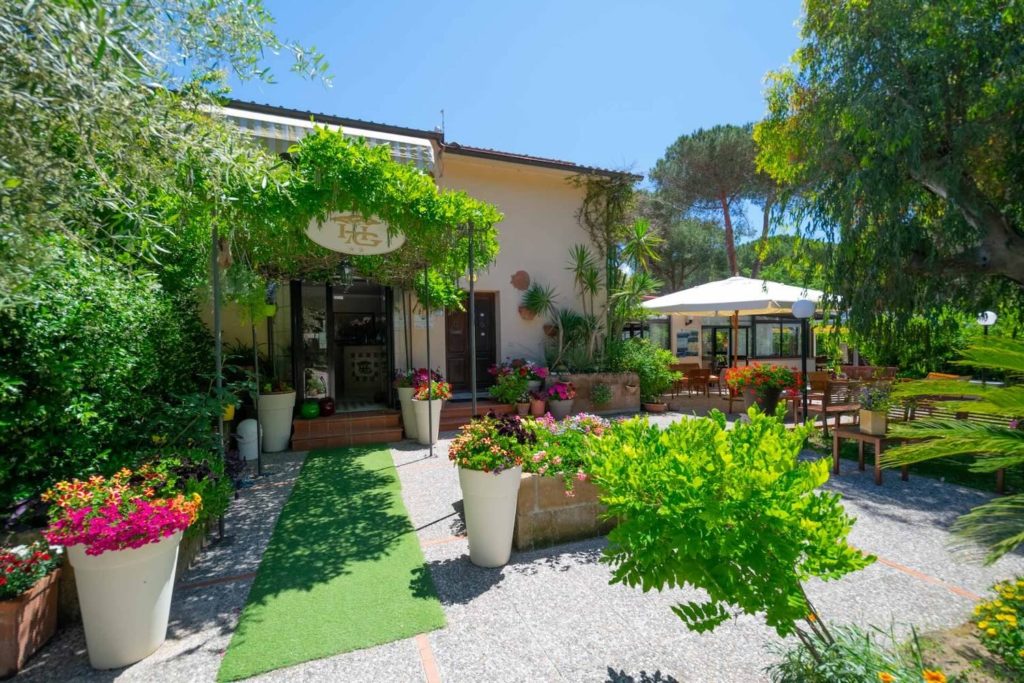
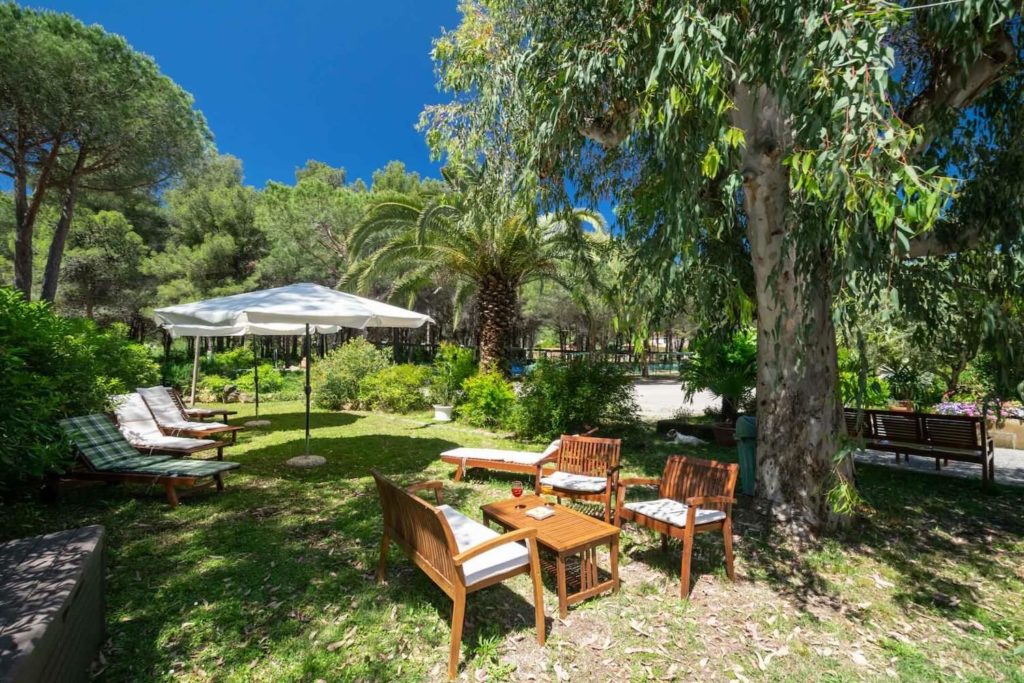
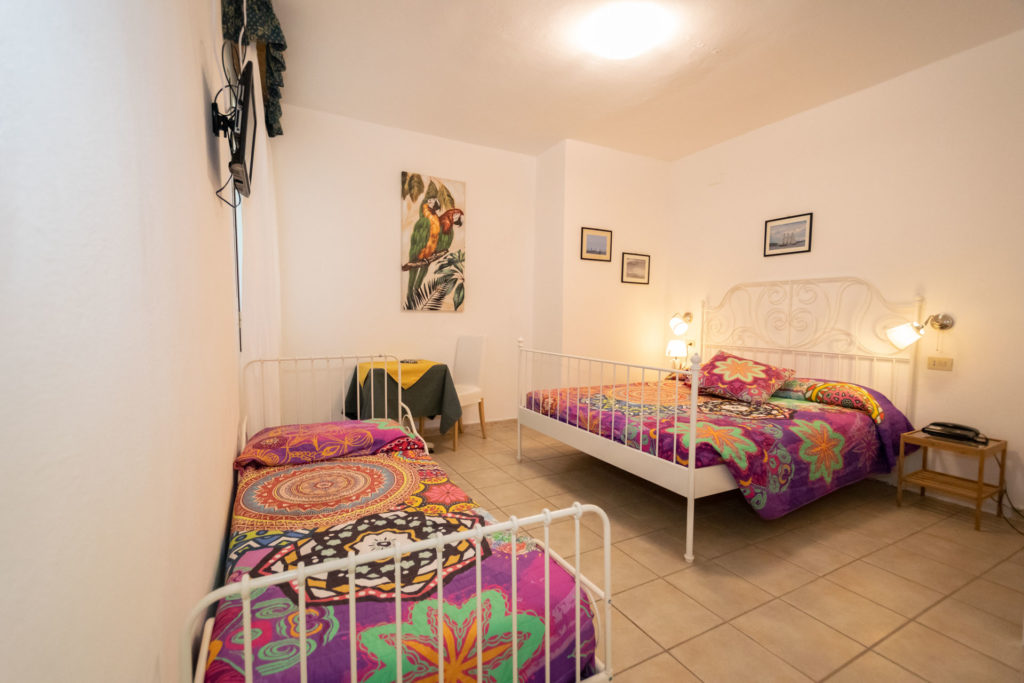
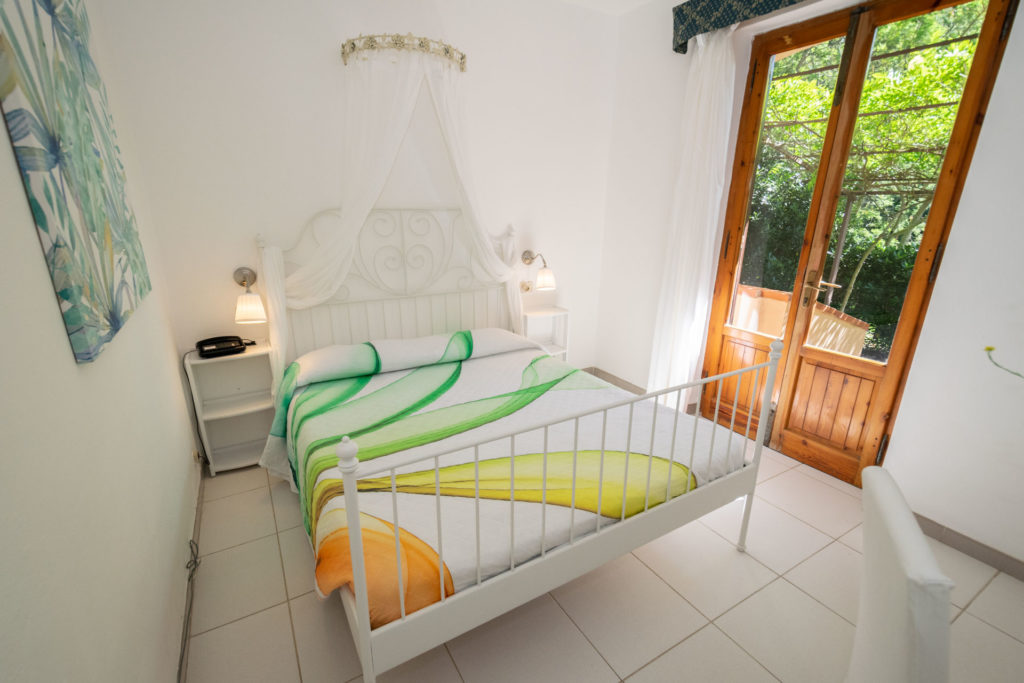
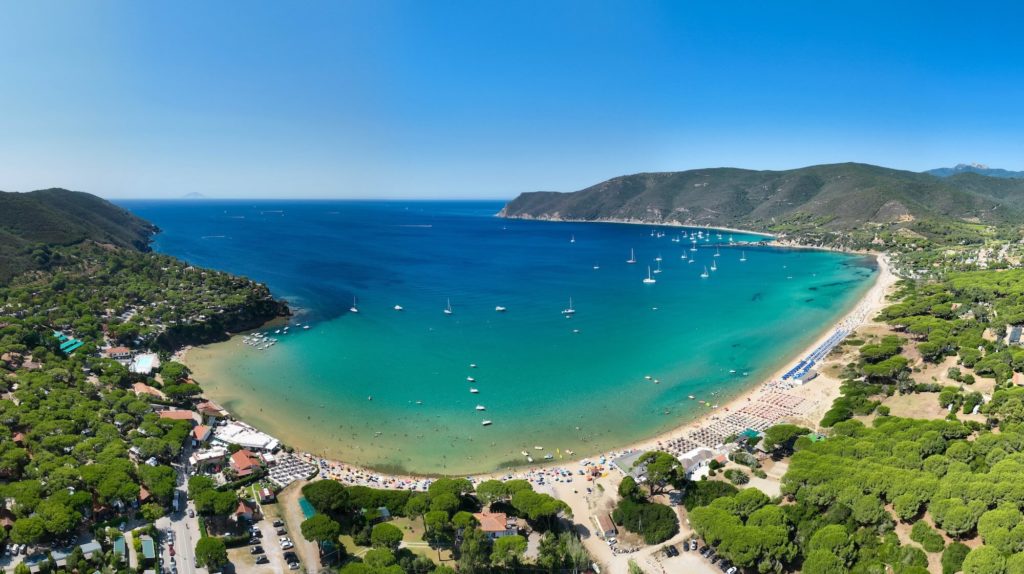
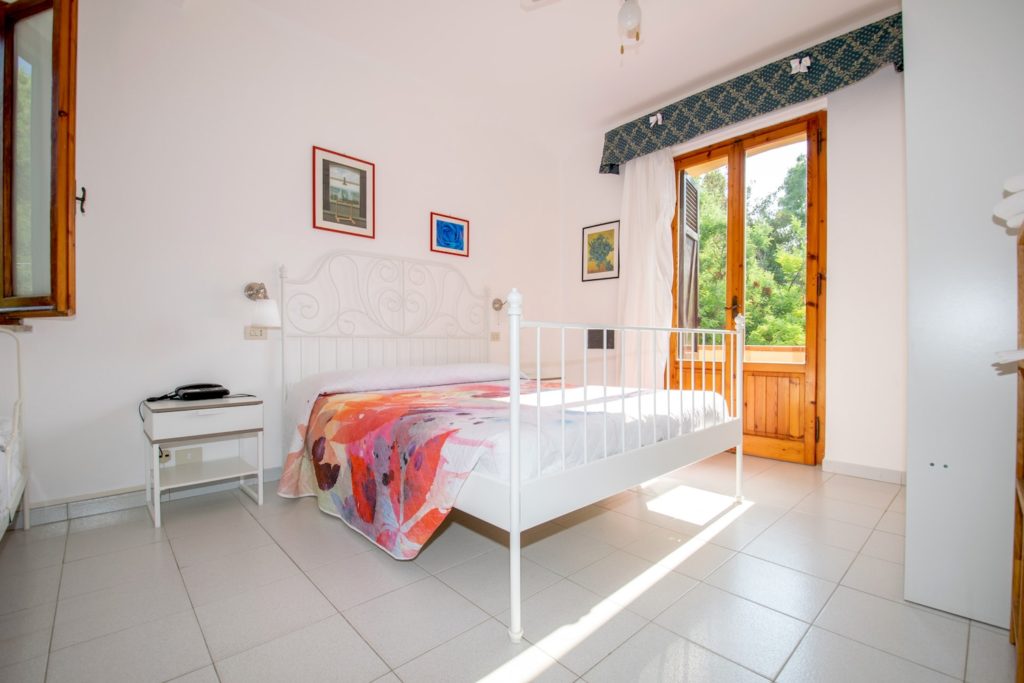
The article recommends staying at Hotel Giardino in Lacona when exploring the Napoleonic itinerary. Reasons include:
- Central location: The hotel is in the Gulf of Lacona on Elba’s south coast, about 10–15 minutes by car from Portoferraio, Capoliveri, Porto Azzurro and Marina di Campo . This centrality reduces driving time and makes it easy to visit the western peaks one day and eastern towns the next .
- Tranquillity in nature: Surrounded by a 30,000 m² Mediterranean pine park, the hotel offers peace and shade . Guests appreciate hearing birdsong and smelling pine resin after a busy day of sightseeing .
- Proximity to Lacona beach: A five‑minute path leads directly to Lacona Beach, Elba’s second longest sandy beach . The beach has golden sand, a gently sloping seabed and protected dunes; the ability to swim without taking the car is a major advantage .
- Family‑run hospitality and comfort: The hotel’s owners and staff create a warm, informal atmosphere. Rooms, located in small bungalows within the park, have flat‑screen TVs, Wi‑Fi, safes, air conditioning, private bathrooms and a reserved parking spot . Many rooms have a balcony or patio, and cleanliness is highly praised .
- Authentic cuisine: Half‑board or full‑board options feature rich buffet breakfasts with homemade cakes and dinners serving Elban specialities and grilled fish . Menus cater to children and guests with dietary needs .
- Services: Although a 3‑star hotel, it offers free shaded parking, Wi‑Fi, a bar and relaxation area, a small playground with ping‑pong and table football, bicycle storage and pet‑friendly policies . Guests also enjoy ferry ticket discounts and advice on hidden beaches and trails .
Attractions near Hotel Giardino
Lacona is a strategic base not only for the Napoleonic itinerary but also for discovering southern Elba. Nearby attractions include:
- Lacona Beach: Over 1 km of golden sand flanked by Capo Stella and Capo Fonza. Part free, part serviced; behind it lies a dune ecosystem with junipers and sea lilies .
- Laconella Beach: A small, intimate bay reached by a short path west of Lacona; known for clear water and good snorkelling .
- Capo Stella: A headland closing the gulf to the east; a one‑hour circular walk offers views over Lacona and the Golfo Stella .
- Margidore: Pebble beach on the opposite side of Lacona; less crowded and departure point for boat tours .
- Capoliveri: Hilltop village 15 minutes away with medieval lanes, craft shops and wine bars .
- Monte Calamita mines: Guided tours in jeeps or on foot explore iron‑ore tunnels and secluded beaches such as Cala Seregola .
- Porto Azzurro: 15 minutes away; features a harbour, Spanish fortress and evening markets .
- Marina di Campo: Popular resort west of Lacona with Elba’s longest beach and an aquarium .
A table summarises distances and reasons to visit each destination .
Natural activities beyond the historical itinerary
After visiting Napoleonic sites, the island offers numerous outdoor adventures:
- Monte Capanne ascent: Hike or take the open cable car to Elba’s highest peak (1,019 m) for 360° views of the archipelago .
- Hiking and mountain biking: The island boasts many trails, including the 60 km Grande Traversata Elbana (GTE) crossing east to west and shorter routes such as the Enfola loop or Monte Perone’s butterfly trail .
- Snorkelling, diving and kayaking: Waters around Lacona and Margidore are great for snorkelling; diving centres organise trips to sites like the Elviscot wreck off Pomonte . Kayak tours reveal caves and hidden beaches .
- Boat trips: Summer boat tours leave for Pianosa (strictly regulated to preserve its environment), Capraia and circumnavigation of Elba, revealing secluded coves and multicoloured cliffs .
- Wine and food tours: Visit vineyards (e.g., Tenuta La Chiusa near Portoferraio) to taste wines such as Aleatico and Ansonica, accompanied by local cheeses, honey and olive oil .
Elban gastronomy
Elban cuisine reflects both maritime and rural traditions. When following the Napoleonic itinerary, try the following specialities:
| Dish/product | Description |
|---|---|
| Stoccafisso alla riese | Dried cod stewed with garlic, potatoes, tomato, olives, anchovies and capers; symbol of Rio Marina . |
| Gurguglione | Colourful vegetable stew of onions, peppers, aubergines, courgettes and tomatoes, similar to ratatouille . |
| Cacciucco | Hearty fish soup with mixed seafood and fish, cooked with tomato, wine and chilli . |
| Polpo all’elbana | Tender octopus served warm with Elban olive oil, parsley, garlic and lemon . |
| Zerri fritti | Small fish fried whole and eaten as a crunchy street food . |
| Schiaccia briaca | Thin sweet flatbread with raisins, pine nuts, almonds and a splash of Aleatico wine ; traditionally a Christmas dessert. |
| Aleatico | Sweet red passito wine. Napoleon tasted and praised it; pairs perfectly with schiaccia briaca . |
| Olive oil & honey | Elba produces fragrant extra‑virgin olive oil and unique honeys (chestnut, heather, strawberry tree) . |
Complement these with local goat cheeses, wild boar cured meats and pasta dishes like spaghetti alla Margherita (with spider crab) .
Guided tours and themed experiences
For deeper insight, several guided tours and experiences are available:
- Walking tours of Portoferraio: Certified guides lead small groups through the town’s Roman, Medici and Napoleonic periods, visiting the Palazzina dei Mulini, Teatro dei Vigilanti, Chiesa della Misericordia and the Medici forts .
- Bus or minibus tours: Day tours cover Villa dei Mulini, Villa San Martino, the sanctuary at Marciana and other sites, often including lunch and wine tasting .
- Photography tours: A photographer guides participants to the most photogenic Napoleonic locations .
- E‑bike tours: Assisted bikes make it easier to reach Villa San Martino and surrounding hills sustainably .
- Food & wine tours: Combine historic visits with tastings at wineries like Tenuta La Chiusa .
- Private guides: For a personalised experience, contact the Portoferraio tourist office for qualified guides who can tailor the itinerary to your interests .
Conclusion
Elba’s Napoleonic itinerary offers a rich blend of history, culture, nature and gastronomy. From the emperor’s residences and clandestine beaches to mountain sanctuaries, iron mines and theatres, each stop tells part of the story of Napoleon’s nine‑month exile. Staying at Hotel Giardino in Lacona provides a central and relaxing base from which to explore these sites and enjoy the island’s varied landscapes and flavours. Whether you choose to follow the trail independently or join a guided tour, you will step back 200 years and discover the man behind the myth . Bon voyage!