

P.S. For updated services and prices, please contact the individual business directly.
Introduction – The Allure of the Island and the Hospitality of Hotel Giardino
The island of Elba is a place where ancient history, pristine nature and crystal‑clear seas blend together. This guide is prepared by the staff at Hotel Giardino, a family‑run property set in a 30 000 m² park at Lacona, a few steps from the long golden beach of the same name. The hotel’s simple but comfortable rooms come with private bathroom, satellite TV, safe and Wi‑Fi, and there is a warm, informal atmosphere. Guests enjoy a rich buffet breakfast with home‑made cakes and traditional Tuscan and Mediterranean dishes for lunch and dinner, with options for children and those with intolerances. Services include shaded private parking, secure bike storage, free Wi‑Fi in common areas and discounts on ferry tickets . Thanks to its strategic position the hotel allows quick access to main towns such as Marina di Campo, Capoliveri, Porto Azzurro and Portoferraio .
Elba forms part of the Tuscan Archipelago National Park. Its varied coastline – bays, promontories and Mediterranean scrub – makes it ideal for hiking and cycling. The waters host remarkable biodiversity with shoals, rock slides, vertical walls, meadows of Posidonia and historical wrecks. Clear water and abundant fish make it possible for beginners, photographers and experienced divers alike to find sites suited to their level . Many diving schools offer PADI, NAUI and SSI courses, guided dives and equipment rental, including packages for night dives . This guide explains where and how to enjoy night dives around Elba, describing the main sites, their characteristics and what to expect, and presents Hotel Giardino as an ideal base with tips on beaches, trails and attractions .
Why Elba Is a Paradise for Divers
Diversity of seabeds and marine life: Elba’s underwater landscapes include shoals rising from the blue, rocky landslides, vertical walls covered with gorgonians, extensive Posidonia meadows and historic wrecks. The clear water allows encounters with groupers, dentex, amberjacks, barracudas, damselfish and bream. Crevices hide colourful macrofauna such as nudibranchs, spirographs and lobsters. Protected areas like Lo Scoglietto off Portoferraio resemble natural aquariums where divers can see groupers, dentex, amberjacks, moray eels and gorgonians .
Dives for all levels: Many sites start a few metres below the surface and reach greater depths, allowing progressive descents. Diving centres organise introductory dives, Open Water courses and advanced training, including decompression, wreck penetration, deep and night diving .
The thrill of night diving: At night the underwater landscape is transformed: torches reveal nocturnal creatures such as octopus, goatfish, moray eels and spirographs, while colours appear more saturated and one may encounter rarities like John Dory, flying gurnards and small catsharks. Experienced guides are essential and divers must follow safety procedures – carrying signalling lights, planning the dive, adding an extra strobe on the tank and monitoring currents .
FAQs: To dive recreationally during the day most sites require an Open Water Diver certification. Deeper or current‑swept sites and night dives require advanced qualifications and the Night Diver speciality is recommended . Equipment can be hired from local centres. Beginners can experience night dives after some daylight practice, accompanied by a guide .
Hotel Giardino: Your Home Base
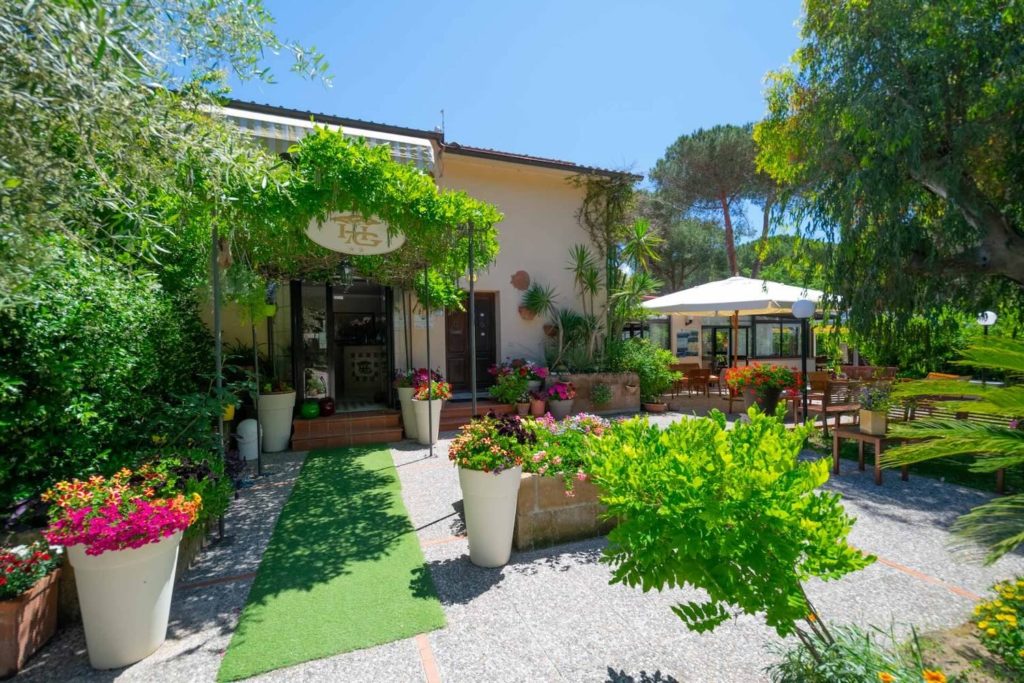
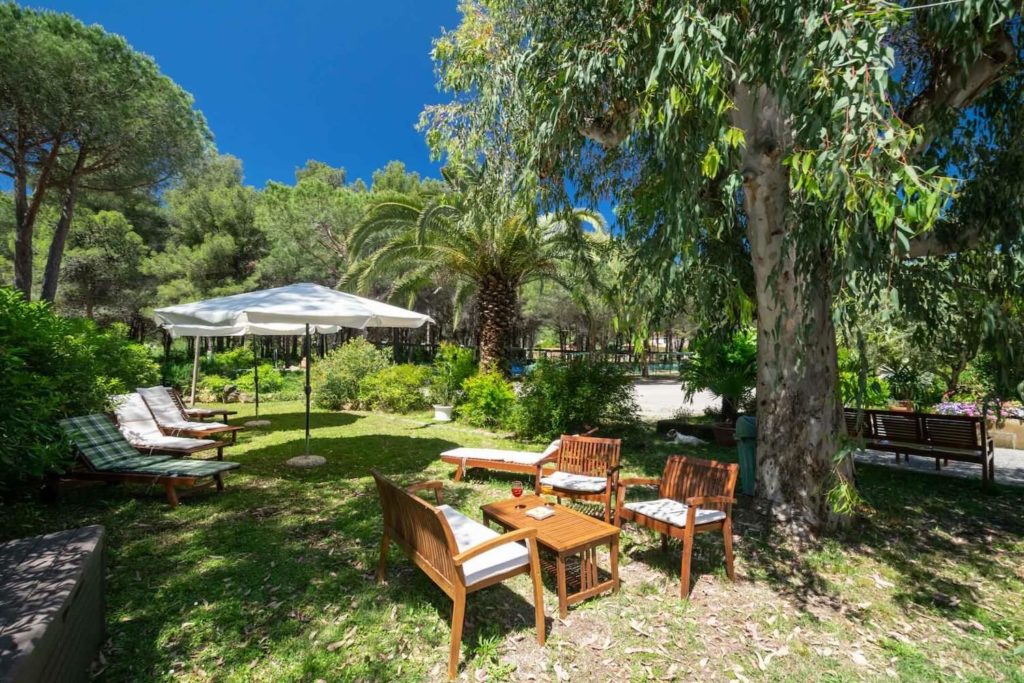
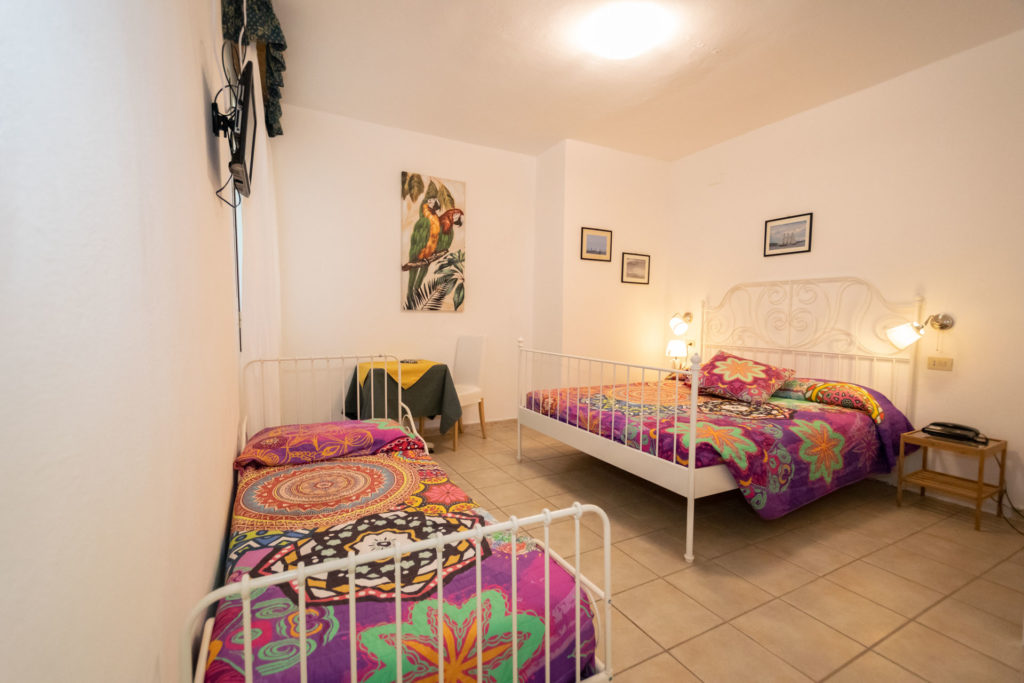
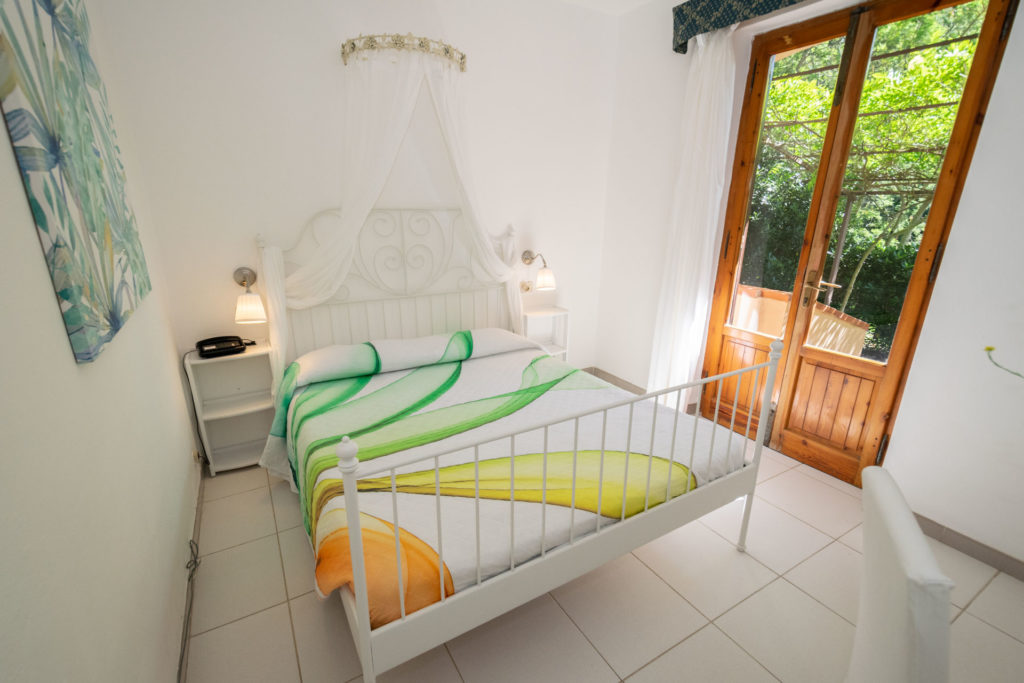
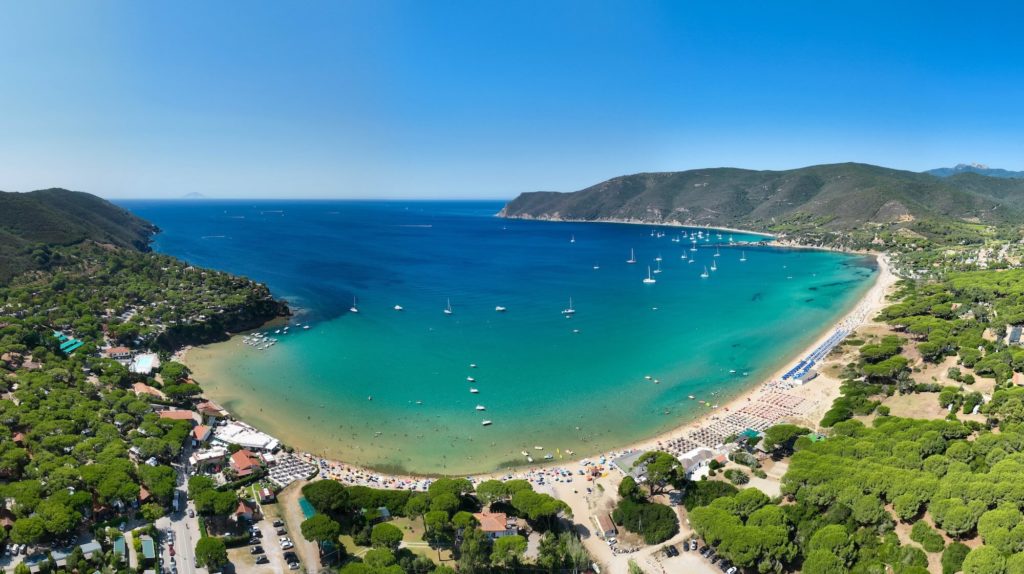
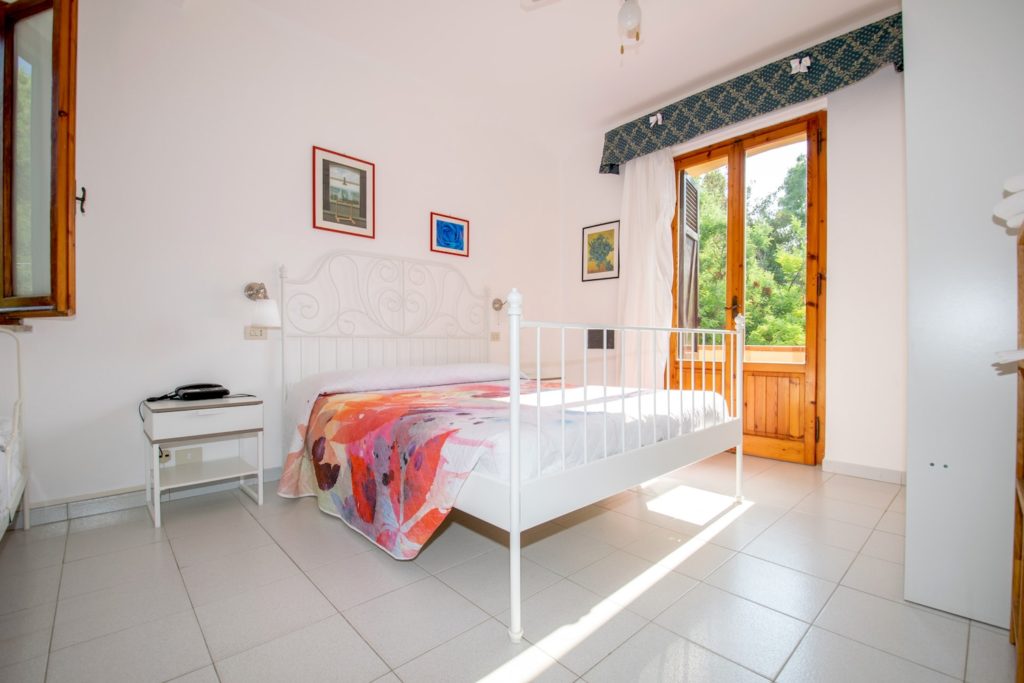
A family‑run oasis: The 3‑star Hotel Giardino sits in a pine park in the Gulf of Lacona. Its rooms are spread over three small buildings and all have private bathrooms, flat‑screen TVs, safes, minibars and free Wi‑Fi; many include air conditioning and balconies or patios . Hospitality is at the heart of the hotel’s mission: the family welcomes couples and families with warmth, ensuring comfort and tranquillity.
Services: Guests can enjoy a restaurant serving Elban and Tuscan cuisine prepared with local products, a buffet breakfast with home‑made cakes, free Wi‑Fi, shaded private parking, secure bike storage, discounts on ferry tickets, pet‑friendly policy and a play area with table football and ping‑pong . The reception can put you in contact with trusted diving centres, store equipment and book night dives or courses . The hotel lies 100 m from Lacona’s sandy beach and staff are happy to recommend walking or cycling routes on the Capo Stella and Monte Calamita promontories . A summary table of the main services is provided for quick reference .
FAQs about the hotel: Check‑in is from 14:00 and check‑out by 10:00; luggage can be stored if needed. Each room has a reserved parking space. Pets are welcome with prior notice. The hotel has no swimming pool because the sea is just a short walk away. Air conditioning and Wi‑Fi are available in the rooms and common areas. Included services cover breakfast, parking, Wi‑Fi, daily cleaning and assistance with ferry bookings, while extras include lunch and dinner, bike rental, boat trips and wine tastings .
Main Sites for Night Dives
Night dives reveal a hidden world where colours and behaviours change dramatically. Here are some of the most notable sites, listed from easier to more challenging. Always dive with a qualified guide and respect local regulations.
| Site & Location | Depth & Difficulty | Highlights | Notes |
|---|---|---|---|
| Lo Scoglietto (Portoferraio) | 7–25 m; easy | A protected rocky islet near the port with boulders descending to 25 m. Daylight dives reveal groupers, dentex and amberjacks; at night predatory fish emerge in the torchlight . | Ideal for first night dives: there is no current and a guide is mandatory because it lies in a marine reserve . Bring a full‑length wetsuit and two torches . |
| Elviscot Wreck (Pomonte) | 9–12 m; easy | A merchant vessel that sank in 1972 off Pomonte. Resting upright at 12 m, it is colonised by colourful algae, sponges and small fish. At night long exposure reveals sleeping fish and fluorescent organisms . | Perfect for novices and underwater photographers. Stay outside or follow guide instructions if entering the interior. |
| Secca di Santa Lucia (Porto Azzurro) | 6–25 m; easy/medium | Three rocky pinnacles with sabellids, yellow gorgonians and Parazoanthus axinellae. The shallow top makes it ideal for first night dives. Colourful gorgonians sparkle under torchlight . | Avoid touching gorgonians; no strong currents make it suitable for cautious beginners. |
| Secca del Semaforo (Capoliveri) | 30–50 m; advanced | A deep pinnacle rising from the seabed with strong currents. Fans of red gorgonian (Paramuricea clavata) thrive thanks to nutrient‑rich water. Night dives reveal anthias, crabs and corals . | Requires advanced certification and a Deep Diver course; use nitrox to extend bottom time. |
| Punta di Fetovaia (Campo nell’Elba) | 20–45 m; medium/advanced | A promontory with Posidonia meadows at 20 m and walls descending to 45 m. A barge wreck rests at 45 m. At night the gorgonians glow and predatory fish such as groupers and dentex hunt . | Moderate current; follow the guide and remain at appropriate depth. Snorkelling is best closer to the beach. |
| Secca di Capo Poro (Marciana Marina) | 30–50+ m; advanced | A vertical wall covered in red gorgonians and home to anthias, groupers, eels, lobsters and rare spiny urchins . | Deep dive requiring nitrox and experience; currents can be strong. |
| Corbella (Capo Stella, near Lacona) | 20–50+ m; medium/advanced | Off the Capo Stella promontory with two sides: the southern side slopes gently to 35 m; the eastern wall drops to over 50 m and hosts sea whips (Ellisella). A bronze teddy‑bear statue at 20 m marks the distance to Berlin. Good for night dives . | Start from the southern side and move towards the wall with a guide. Recommended for Advanced Open Water divers. |
Planning and Safety Tips for Night Dives
- Choose a trusted dive centre: Hotel Giardino collaborates with reputable centres in Lacona and Portoferraio that provide qualified guides, appropriate boats and equipment .
- Prepare your equipment: Ensure primary and backup torches are fully charged; attach a strobe to your cylinder; set your dive computer to night mode and check your gas supply .
- Attend the briefing: Review site topography, entry and exit points, currents and special signals. Always remain close to your buddy and agree on light signals .
- Maintain buoyancy: Practice neutral buoyancy to avoid kicking up sediment or touching fragile organisms; monitor depth and air regularly .
- Respect marine life: Do not touch corals or gorgonians; limit flash photography; avoid directing bright light at animals for long periods .
FAQs about Night Diving
- How to keep warm? Use a 5–7 mm wetsuit and bring dry clothes and a hot drink after the dive .
- What are the risks? Disorientation and separation are the main risks. Stay near your buddy, use the agreed signals and pay attention to orientation .
- Best season? June to October offers warm water and calm conditions; spring and late autumn require thicker suits but visibility is excellent .
- Can children dive at night? The minimum age for the Junior Advanced certification is 12 years. It is better to start with snorkelling or day dives before attempting night dives .
What to See Near Hotel Giardino
After your dives you can explore some of the beaches, trails and villages near Lacona.
Beaches and Walks
- Lacona Beach: Over a kilometre of fine sand with a gently sloping seabed, protected dunes and a pine forest . Ideal for families and water sports. Services include bars, restaurants, sunbed rentals and showers. Morning and late afternoon are quieter. Parking is plentiful but fills in high season.
- Margidore: A 750 m pebble beach with a small port and rental services . It is calmer than Lacona and suitable for snorkelling and kayaking. There are no lidos; bring your own umbrella and shoes.
- Laconella: A 210 m sandy cove accessed by a dirt road . Its clear water and WWII battery remains appeal to history enthusiasts. There is no shade; take an umbrella and water. Not wheelchair‑accessible.
- Capo Stella Trail: A 6.2 km easy loop along the isthmus between the Gulf of Lacona and the Gulf of Stella . It takes roughly 1½ hours and offers views of both gulfs. Wear comfortable shoes, carry water and avoid midday heat.
- Monte Calamita Itinerary: A 12 km medium‑difficulty route (about six hours) following an old mining road . It traverses wild bays and scrubland; there are three loops of increasing length. Bring plenty of water and snacks – only Fattoria Ripalte along the route sells wine and local products .
Capoliveri and Porto Azzurro
Capoliveri: This medieval village sits at 167 m on Monte Calamita and was historically agricultural and mining. Today it is one of the island’s most atmospheric places, with attractions including the Museo del Mare (exhibiting artifacts from the Polluce wreck), the disused magnetite mines (guided tours), the Pieve di San Michele, the Sanctuary of Madonna delle Grazie and the Spanish Forte Focardo . The centre has artisan shops, wine bars and restaurants and hosts festivals such as the Festa dell’Uva and the Festa del Cavatore .
Porto Azzurro: Built by the Spanish, this town is known for the Forte di San Giacomo (today a prison), the lively seafront square and evening markets. Nearby are Barbarossa beach and the Orto dei Semplici Elbano, a botanical garden with aromatic and medicinal plants .
Summary Table – Beaches and Trails
| Location | Type/difficulty | Characteristics | |
|---|---|---|---|
| Lacona | Beach; easy access | Over 1 km of fine sand, shallow seabed, protected dunes and pine forest | |
| Margidore | Beach; reachable by car | 750 m of pebbles, quiet atmosphere, small port, rental services | |
| Laconella | Beach; dirt road access | 210 m of fine sand, clear water, remains of a WWII battery | |
| Capo Stella | Easy trail (6.2 km) | Loop for everyone with panoramic views of two gulfs; duration about 92 min | |
| Monte Calamita | Medium trail (12 km) | Former mining road with three loops; wild bays and panoramic views over the Piombino Channel |
Suggested Daily Itineraries
To help you plan your stay we propose a few itineraries combining dives, beach time, culture and local flavours. Our staff can customise them according to your interests .
Itinerary A – Dive and Relax in Lacona
- Morning: Depart from Lacona beach with a local diving centre for a morning dive at Lo Scoglietto (about 25 min by boat); return around 11:00 .
- Lunch: Light lunch in the hotel with seafood salad, schiacciata and fruit .
- Afternoon: Relax on Lacona beach; stroll along the dunes and pine forest; snorkelling or stand‑up paddling .
- Evening: Dinner at the hotel with fresh fish and Tuscan specialities; at 21:00 night dive at the Elviscot wreck with a guide .
Itinerary B – Trekking and Snorkelling at Capo Stella
- Morning: Hike the Capo Stella trail (6.2 km) starting at 08:30; enjoy panoramic views over the two gulfs and take photos at the tip .
- Lunch: Return to the hotel for a lunch of local dishes .
- Afternoon: Spend the afternoon on Margidore beach or rent a pedalo to reach Capo Pini and snorkel .
- Evening: Aperitif in Capoliveri; dinner in a traditional restaurant; optional guided night visit to the mines .
Itinerary C – Adventure on Monte Calamita and Deep Dive
- Morning: Cycle the Monte Calamita loop; stop at Baia di Buzzancone for a swim .
- Lunch: Picnic on the beach with focaccia, cheese and Elban wine .
- Afternoon: Visit the Museo del Mare in Capoliveri or the Ginevro mine .
- Evening: Dinner at the hotel; night dive at an advanced site such as Secca del Semaforo or Capo Poro .
Itinerary D – Culture and Flavours of Elba
- Morning: Explore Porto Azzurro, stroll around the piazza and the Spanish fortress; if the weather is good, snorkel at Barbarossa beach .
- Lunch: Enjoy fish and Elban wines at a harbour‑side restaurant .
- Afternoon: Return to Lacona for a swim at Laconella or to relax; non‑divers can join an Elban cooking class at the hotel .
- Evening: Night dive at Secca di Santa Lucia to see yellow daisy polyps or attend a summer concert in Capoliveri .
FAQs about the itineraries: The programmes can be personalised; our staff can arrange transfers, guides and snacks . Although a car makes it easier to reach various sites, many excursions depart directly from the hotel. Electric bikes and scooters can be rented and in summer shuttle buses connect the main towns . Morning dives generally start at 08:30–09:00; night dives begin around 20:30 in summer; book at least a day in advance .
Elban Cuisine and Typical Products
After a day of diving and adventure it is a pleasure to rediscover Elban flavours. The cuisine, although based on fish, reflects rustic influences. Popular dishes include:
- Cacciucco all’elbana: Local variant of the Tuscan fish soup, made with scorpionfish, gurnard, cuttlefish, octopus, mussels and tomatoes, served with toasted garlic bread .
- Stuffed squid: Local squid filled with breadcrumbs, parsley, garlic, olive oil and sometimes eggs, cooked in tomato sauce .
- Gurguglione: A stew of vegetables (aubergines, peppers, tomatoes and onions) originating from Spain, often served as a side to fish .
- Moscardini in zimino: Baby octopus cooked with chard, tomato and wine on crostini .
Among baked goods:
- Schiaccia briaca: A sweet cake from Portoferraio made with Aleatico wine, walnuts, almonds, pine nuts and raisins – often given as a gift .
- Schiacciata con l’uva: An autumn focaccia with grape and rosemary .
Local wines include:
- Aleatico dell’Elba DOCG: A sweet dessert wine made from Aleatico grapes grown on hills around Rio and Capoliveri .
- Ansonica dell’Elba DOC: A dry white wine with aromas of citrus and Mediterranean herbs, perfect with fish .
- Elba Rosso DOC: A Sangiovese‑based red wine aged in barrique, with aromas of red fruits and spices .
FAQs about gastronomy: Hotel Giardino offers fish‑based menus every evening, with vegetarian and gluten‑free options . Aleatico wine can be purchased in wine shops in Capoliveri and Porto Azzurro, and the hotel can organise guided tastings . In July and August many villages host food festivals, such as the Sagra del Totano (Marciana Marina), Festa dell’Uva (Capoliveri) and Sagra del Pesce (Porto Azzurro) .
Responsible Diving and Sustainable Tourism
Elba is part of the Tuscan Archipelago National Park. To preserve its biodiversity and the beauty of the seabed, practise responsible diving:
- Do not touch flora or fauna: Corals, gorgonians and sponges grow slowly and are fragile .
- Maintain neutral buoyancy: Avoid disturbing the seabed, especially Posidonia meadows .
- Respect depth and time limits: Use dive computers and decompression tables properly .
- Do not take souvenirs: It is illegal to remove organisms, shells or parts of wrecks .
- Follow guide instructions: Protected sites like Lo Scoglietto have predefined routes .
On land: reduce plastic use, carry reusable bottles and cloth bags, use eco‑friendly transport (walk, bike or use shuttle buses) and do not disturb wildlife . Support local conservation projects and take part in beach clean‑ups or initiatives like Dive Against Debris .
FAQs about responsible tourism: Anchoring is prohibited in protected sites; boats must use designated buoys . Taking sand or shells is prohibited and punishable . You can contribute to marine protection by joining clean‑up days or supporting local associations .
Tips for Beginners: Starting Scuba Diving on Elba
Local diving centres offer courses for all levels:
- Discover Scuba Diving/Battesimo del mare: An introduction comprising a theoretical lesson and a shallow dive up to 12 m under instructor supervision – ideal for first‑timers .
- Open Water Diver: Comprehensive course with theory, pool sessions and four open‑water dives. Graduates can dive to 18 m independently .
- Advanced Open Water Diver: Specialisation with five themed dives (deep, navigation, night, perfect buoyancy, etc.), allowing dives to 30 m and participation in night dives .
- Night Diver Speciality: A course focused on night dives, covering torch use, safety procedures and emergency management .
First equipment: Start with your own mask, snorkel and fins for hygiene; other gear can be rented. Gradually purchase a wetsuit, BCD, regulator and computer to suit your physique and style, and service them annually .
FAQs for beginners: An Open Water course costs about €380–450 including manual, theory lessons, equipment rental and certification . It is essential to feel comfortable in the water; instructors teach techniques but a basic ability to swim is crucial . A dive generally lasts 40–50 minutes; night dives may be shorter because more time is spent at shallow depths .
Flora and Fauna of the Mediterranean
Knowing the local marine life enriches the dive experience. Among the species you may encounter:
Fish
- Dusky grouper (Epinephelus marginatus): Found on shoals like Lo Scoglietto and Capo Poro. Curious and sizeable, it remains still near the bottom at night .
- Dentex (Dentex dentex): A pelagic predator that hunts schools of bogues and salemas during summer nights .
- Greater amberjack (Seriola dumerili): Fast‑swimming fish often seen in groups; at night they may be calmer .
- Catsharks (Scyliorhinus canicula and S. stellaris): Small sharks that lay eggs on gorgonians; often observed at Fetovaia and Capo Poro .
- Moray eel (Muraena helena): Lives in crevices and emerges to hunt at night .
Invertebrates
- Red gorgonians (Paramuricea clavata): Fan‑like colonies found in deep sites such as Capo Poro, Fetovaia and Semaforo; they glow when illuminated .
- Sea whips (Ellisella paraplexauroides): Flexible branches growing on vertical walls; home to anthias and small crustaceans .
- Parazoanthus axinellae (yellow daisies): Small yellow polyps that open under torchlight, decorating the rocks of Secca di Santa Lucia .
- Red coral (Corallium rubrum): Red branches growing beyond 30 m; night dives at Capo Poro and Semaforo allow viewing colonies with polyps extended .
- Spirographs and sabellids: Tubeworms with colourful plumes filtering plankton; visible at Elviscot and Santa Lucia .
- Common octopus (Octopus vulgaris): Active at night, changing colour and texture to blend into rocks .
Marine flora
- Posidonia oceanica: An endemic seagrass forming meadows near beaches such as Lacona and Fetovaia; it provides refuge and food for many species .
- Caulerpa algae: A colonising species covering sandy bottoms; it can be mistaken for Posidonia .
FAQs about flora and fauna: Catshark eggs are transparent sacs attached to gorgonian branches; inside one can see embryonic sharks – do not touch them . Red coral usually grows deeper than 30 m; some branches occur at 20 m in protected sites but these require deep diving certification . Jellyfish: some species can sting, but they are less common at night; wearing a full wetsuit and gloves protects against most stings .
Conclusion
Elba is truly a paradise for diving enthusiasts and those wishing to experience the magic of night dives. Thanks to a variety of seabeds – shoals rich in gorgonians, vertical walls, accessible wrecks and caves populated by groupers and lobsters – every dive is a journey into a fascinating microcosm . The beam of your torch will reveal unexpected colours, animal behaviours and atmospheres that you will never forget. By choosing Hotel Giardino as your base, you will be welcomed into a family‑run structure surrounded by greenery just steps from Lacona’s beach, with services dedicated to divers, home cooking and a team ready to help organise dives and excursions . Its central location allows you to easily explore the island’s unspoilt beaches, historic mines, panoramic trails and charming villages . We hope this guide helps you plan an unforgettable holiday on Elba, combining a passion for the sea with the discovery of the island’s culture, gastronomy and nature . We look forward to welcoming you at Hotel Giardino to share the excitement of night diving and make you feel part of our family.