

P.S. For updated services and prices, please contact the individual business directly.
Introduction: a hidden world to discover with us
Elba is much more than turquoise coves and pine‑clad mountains. Beneath the surface, a rich underwater world awaits snorkellers and divers. This guide – produced by the staff of Hotel Giardino in Lacona – explains how to explore the island’s marine treasures. It starts with a presentation of the hotel, then describes the marine ecosystem, introduces the main diving and snorkeling sites and suggests towns and trails to enrich your stay . At the end you’ll find practical FAQs and contacts.
Hotel Giardino: your base in Lacona
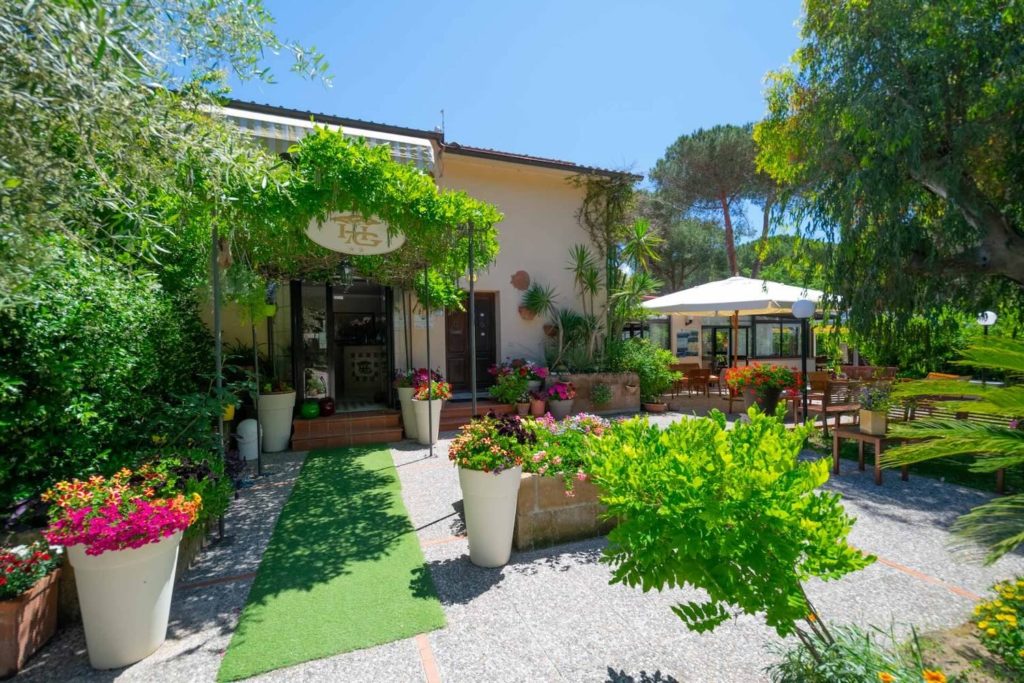
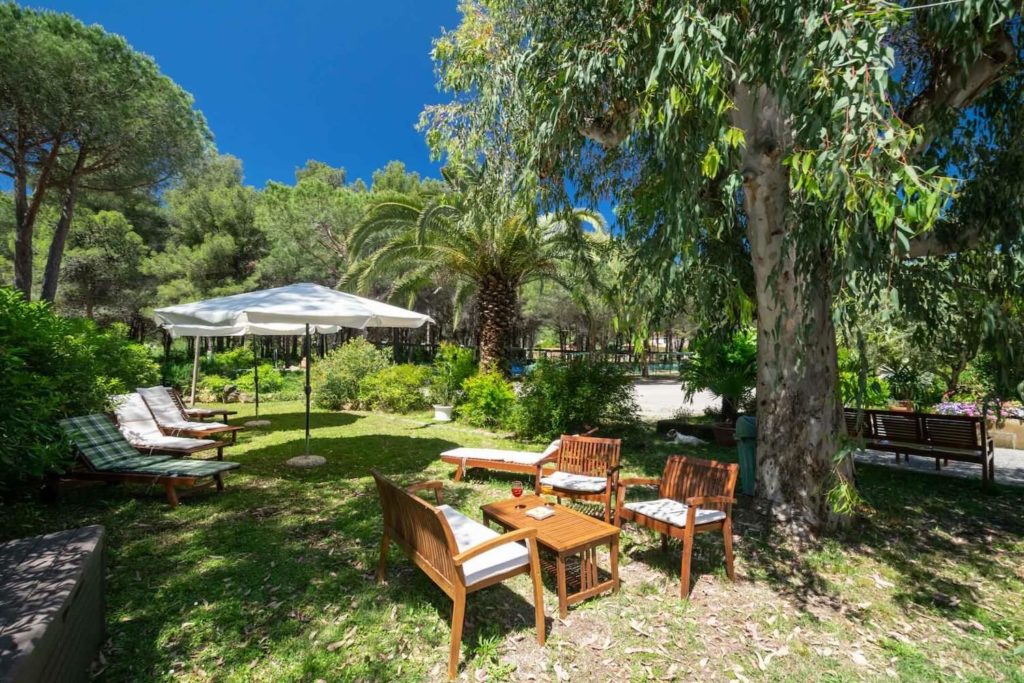
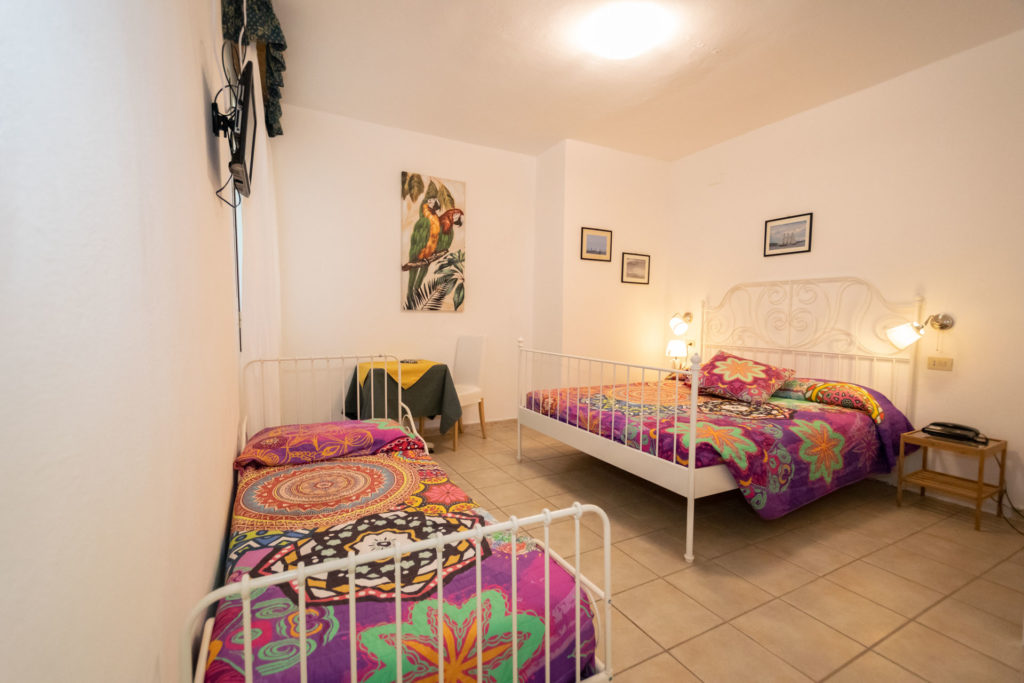
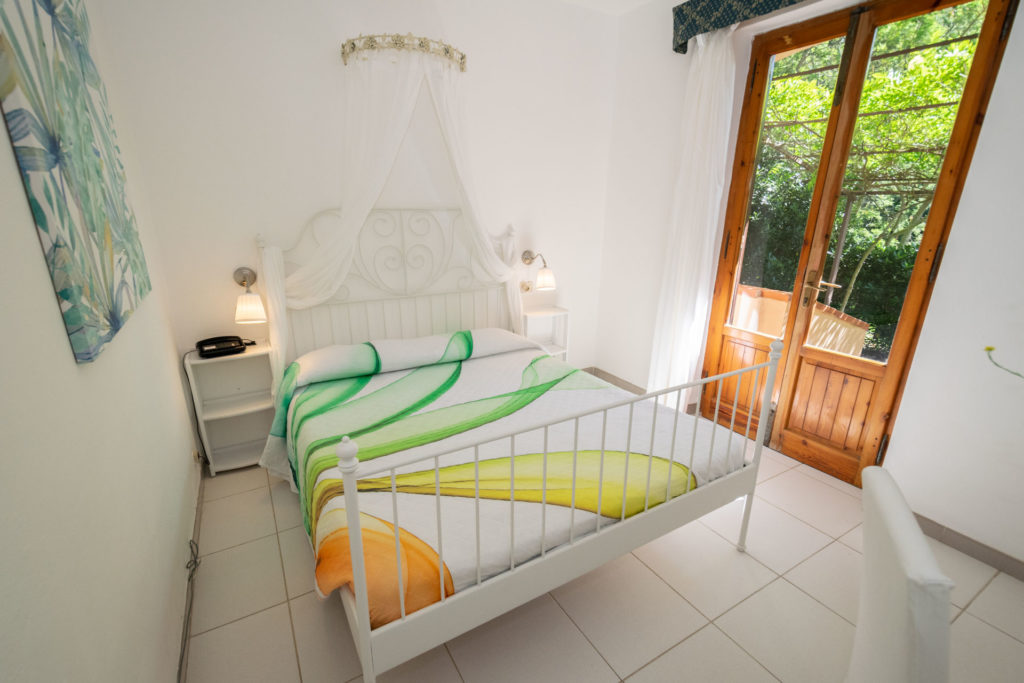
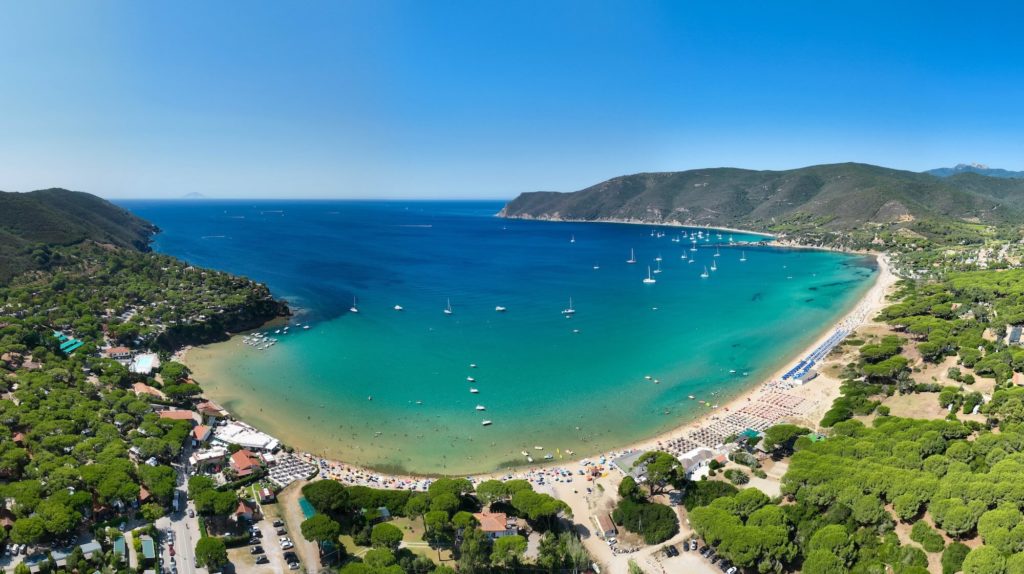
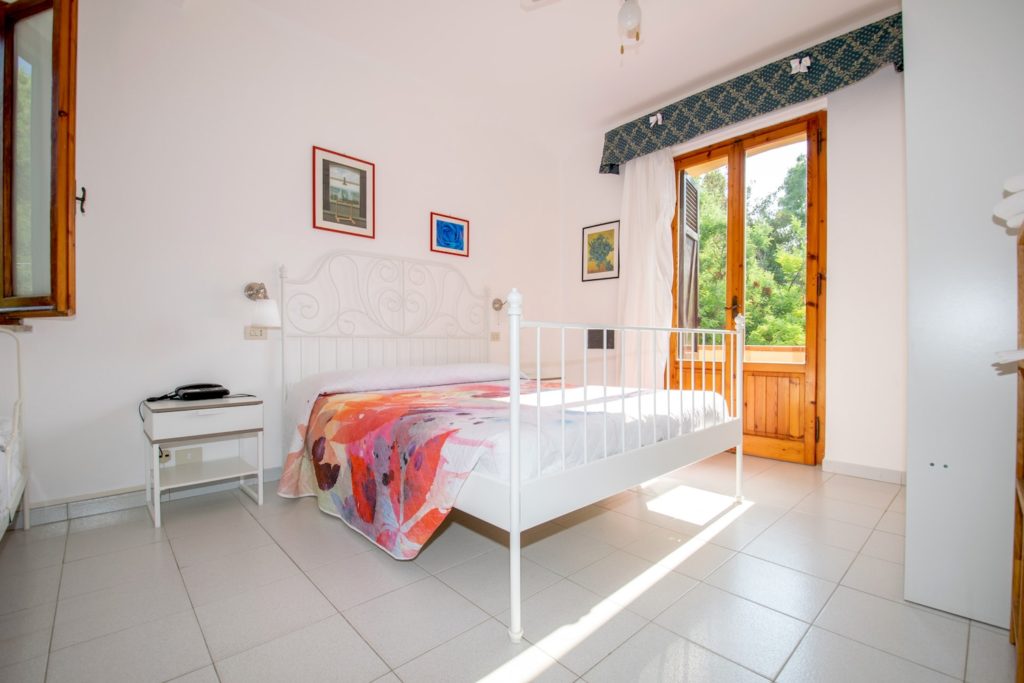
Hotel Giardino is set in a 30,000 m² park at the heart of the Gulf of Lacona. Just a few steps from the long sandy beach, it offers a quiet, family‑run atmosphere with rooms equipped with private bathrooms, TV, safe and some with balcony, patio or private garden . A generous buffet breakfast and home‑style Tuscan cuisine are served, and summer barbecues are organised in the garden. The hotel is pet‑friendly and provides shaded parking, Wi‑Fi in common areas, bike storage, ferry discounts and partnerships with dive centres . Its position allows guests to reach the beach via a short path through the dunes and, by car, the main towns of Portoferraio, Capoliveri, Porto Azzurro and Marina di Campo in 10–15 minutes .
Why dive and snorkel at Elba: the marine ecosystem
The waters around Elba belong to the Tuscan Archipelago National Park and the Pelagos Sanctuary. This protection has allowed an extraordinary biodiversity:
- Posidonia meadows: vast underwater “grasslands” of Posidonia oceanica stabilise the seabed, produce oxygen and host seahorses, octopus and colourful nudibranchs. In eastern Lacona these meadows are accessible for snorkellers .
- Walls, caves and canyons: the island’s granitic and volcanic origins have created vertical walls covered with yellow and red gorgonians, caves and canyons where lobsters and moray eels hide .
- Shipwrecks: several wrecks lie off the coast, the most famous being the Elviscot, a cargo ship sunk in 1972 near Pomonte and now colonised by algae and fish .
- Fish and marine life: you can encounter seabream, mullet, scorpionfish, seahorses, octopus and cuttlefish. Larger predators such as barracuda, amberjack and tuna occasionally patrol the deeper sites .
- Protected areas: the biological reserve of Lo Scoglietto near Portoferraio has been off‑limits to fishing since 1971; groupers, octopus and moray eels swim fearlessly around divers here .
The best season for diving is May to October when the water is warm (20–26 °C) and visibility reaches 20–30 m. Many sites are suitable for all levels, but some require advanced certification .
Main dive sites
The following table summarises some of the most famous dive sites around Elba. Depths are approximate and refer to the bottom of the main itinerary. Many are reachable by boat from Portoferraio, Marina di Campo or Capoliveri. Always dive with a certified guide.
| Dive site | Depth & level | Main features and marine life | Tips & notes |
|---|---|---|---|
| Franata delle Cernie (Lo Scoglietto) | 12–25 m; easy | Gentle landslide with Posidonia meadows where groupers, seabream and dentex hunt. Suitable for beginners and photographers . | Bring a torch to look under the boulders; reach by dive boat from Portoferraio (15 min). |
| I Grottoni (Lo Scoglietto) | 20–40 m; intermediate | Vertical wall with three large caves at 30–35 m decorated with yellow sponges, lobsters and shrimps . | Carry a torch and watch your buoyancy to avoid stirring sediments. |
| Elviscot wreck (Pomonte) | 10–12 m; easy | Cargo ship lying on its side. Covered in algae, it shelters damselfish, nudibranchs and moray eels; accessible to snorkellers and beginners . | Penetration is possible through holes but do not disturb the structure; excellent for photos. |
| Secca di Capo Fonza | 4–40 m; advanced | Shoal with a vertical east wall draped in red and yellow gorgonians and sponges; cavities hide lobsters and conger eels; large predators (dentex, barracuda) often cruise by . | Best when the sun lights the gorgonian forest; currents can be strong. |
| Punta Morcone (Capoliveri) | 3–40 m; all levels | Rocky headland descending to 40 m with posidonia, cavities and sandy gullies. Octopus, moray eels, groupers and sometimes seahorses inhabit the site . | Multi‑level profile; watch for currents around the point. |
| Punta di Fetovaia | 20–45 m; advanced | Sloping seabed with posidonia, then a forest of red gorgonians starting at 20 m where lobsters, anthias and scorpionfish live. A small barge lies at 45 m . | Noted for its beauty but exposed to currents; recommended for experienced divers. |
| Punta Galera (Porto Azzurro) | 7–25 m; intermediate | Rocky tongue ending in a plateau at 7–10 m. Walls covered in yellow and red gorgonians and parazoanthus; home to lobsters and groupers. Strong currents attract amberjack, tuna and dentex . | Plan the dive around slack water and consider drift diving. |
| Banco di Santa Lucia | 6–25 m; all levels | Three rocks forming a shoal carpeted with algae, yellow parazoanthus and gorgonians. Refuge for moray eels, croaker fish and nudibranchs . | Excellent for macro photography and novices. |
| Formiche della Zanca (Sant’Andrea) | 20–40 m; advanced | Three small islets with a sandy ravine between boulders. Walls drop past 40 m and support red gorgonians, lobsters and groupers . | Dive with an experienced guide; currents can be tricky. |
| Scoglio del Remaiolo | 10–55 m; mixed | Two itineraries: an easy circumnavigation at 10–20 m with seabream, octopus and bream; a deep wall descending to 55 m with large sponges, sea whips and St Peter fish . | On the deep wall watch for old nets; in spring sunfish may appear offshore. |
| Picchi di Pablo | 35–50 m; intermediate/advanced | Two pinnacles emerging from 35 m, covered with parazoanthus, yellow sponges and rare black corals; home to conger eels, moray eels, red shrimps and colourful gorgonians . | An underwater photographer’s paradise; currents and depth require good experience. |
| Punta delle Cannelle | 15–45 m; advanced | White and yellow gorgonians at 15 m; a slanted tunnel leads to a cavity at 40 m rich with sponges and gorgonians; at 45 m lies an old artillery piece . | Suitable for experienced divers only; torches needed; the ordnance is inert but respect the site. |
Snorkeling: accessible wonders
Not all of Elba’s wonders require scuba gear. Snorkelling is ideal for families and beginners: you need only a well‑fitting mask, snorkel and fins, possibly a short wetsuit in spring. Avoid touching the seabed or corals and never collect shells or plants . Equipment can be rented at Lacona beach.
Recommended spots near Hotel Giardino :
| Spot | Distance from hotel | Characteristics | What to see |
|---|---|---|---|
| Lacona | 0.1 km | Long sandy beach with extensive Posidonia meadows near the eastern end | Seahorses, octopus, schools of salema and bream among the seagrass . |
| Margidore | 2 km | Pebble beach protected by cliffs | Porphyry rocks shelter octopus, moray eels and small groupers. |
| Scoglio di Ogliera (Pomonte) | 14 km | Rock off the coast near the Elviscot wreck | View the wreck from above and spot damselfish and wrasse. |
| Sansone | 18 km | White‑pebble beach accessible via path | Clear water; shoals of bream and sometimes barracuda along the cliffs. |
| Cala dei Frati | 19 km | Hidden cove accessible only by boat | Crystal water teeming with bream, mullet and occasionally eagle rays. |
Exploring beyond the sea
After your dives, explore the island’s history and nature:
- Portoferraio: visit the Medici fortifications (Stella and Falcone), Napoleon’s residences (Villa dei Mulini and Villa San Martino), museums and the white‑pebble beach of Le Ghiaie .
- Capoliveri: wander through narrow medieval streets, sample local wines, visit the mine museum and attend festivals like the Festa dell’Uva .
- Porto Azzurro: admire the Spanish forts, stroll along the harbour, explore Barbarossa and Terranera beaches and join the vibrant evening markets .
- Marina di Campo: relax on the island’s longest beach and explore nearby villages Sant’Ilario and San Piero; granite quarries and Romanesque churches await .
- Trekking: climb Monte Capanne for panoramic views, hike the Grande Traversata Elbana (GTE) or follow mountain bike trails around Lacona and Capoliveri .
Frequently asked questions
- When is the best time to dive? From May to October the water is warmer and visibility is greatest .
- What species can I encounter? Expect groupers, octopus, moray eels, lobsters, dentex, barracuda, amberjacks, tuna and occasionally dolphins and sunfish .
- Do I need an advanced certification? Many sites are suitable for beginners, but deeper walls, gorgonian forests and wreck penetrations require an advanced licence and the guidance of a dive centre .
- Are there sharks? While the Mediterranean hosts harmless species such as small catsharks, encounters are extremely rare; the main pelagics are barracuda and tuna. .
- What equipment is necessary? For snorkelling you need a mask, snorkel and fins; for diving bring or rent a wetsuit (5–7 mm in spring, 3–5 mm in summer), regulator, BCD and safety equipment. Respect marine life and avoid touching or collecting organisms .
Conclusion: the call of the blue
With this guide we hope to share our love for the sea of Elba. The diversity of habitats, the vivid colours of the gorgonian forests and the mystery of submerged wrecks make every dive unique. But the journey doesn’t end underwater: historic villages, panoramic mountains, mines and traditional festivals enrich your stay .
At Hotel Giardino we welcome guests with a smile and personalised advice, whether you want to choose the perfect dive site, a genuine trattoria or hear a local legend . Hospitality is about attention to detail and helping you make the most of your precious holiday time. If you have any questions or wish to book your underwater adventure at Elba, feel free to contact us – the sea is waiting, and we would love to be your home on the island .