


Introduction
The island of Elba is a paradise for photographers. Its turquoise waters, colourful villages and fiery sunsets make every corner of the island a ready‑made backdrop for memorable shots . Whether you are an experienced photographer or simply enjoy documenting your holidays, this guide – prepared by the staff at Hotel Giardino – will help you discover the best places to take photos on Elba. We’ll explore iconic and lesser‑known viewpoints, suggest the best times of day to shoot and provide gear tips, using the centrally located Hotel Giardino in Lacona as a convenient base for your photo adventures .
Why is Elba a paradise for photographers?
Q: What makes Elba such a special destination for photography?
A: Within a relatively small area Elba offers an extraordinary variety of landscapes. Photographers can enjoy:
- 360° panoramas and unspoilt nature: From the 1019 m summit of Monte Capanne you can see the entire Tuscan Archipelago and, on clear days, the islands of Pianosa, Capraia, Montecristo, Gorgona and even Corsica. Chestnut forests, fragrant Mediterranean scrub and nature reserves provide ideal settings for landscape and wildlife photography .
- Beaches of every kind: The island boasts more than 100 beaches – long stretches of golden sand, white‑pebble coves and granite cliffs – lapped by crystal‑clear turquoise sea . Each beach has its own photogenic character: some look like tropical lagoons, others are framed by white cliffs or emerald pinewoods.
- Picturesque historic villages: Hilltop or harbour‑side villages with cobbled lanes, pastel‑coloured houses and ancient fortifications provide countless postcard‑worthy scenes .
- Spectacular sunsets: Being surrounded by water means Elba offers sunsets over the sea in many places. The sky glows in ever‑changing tones of orange, pink and violet – a photographer’s dream .
Why choose Hotel Giardino in Lacona as your base?
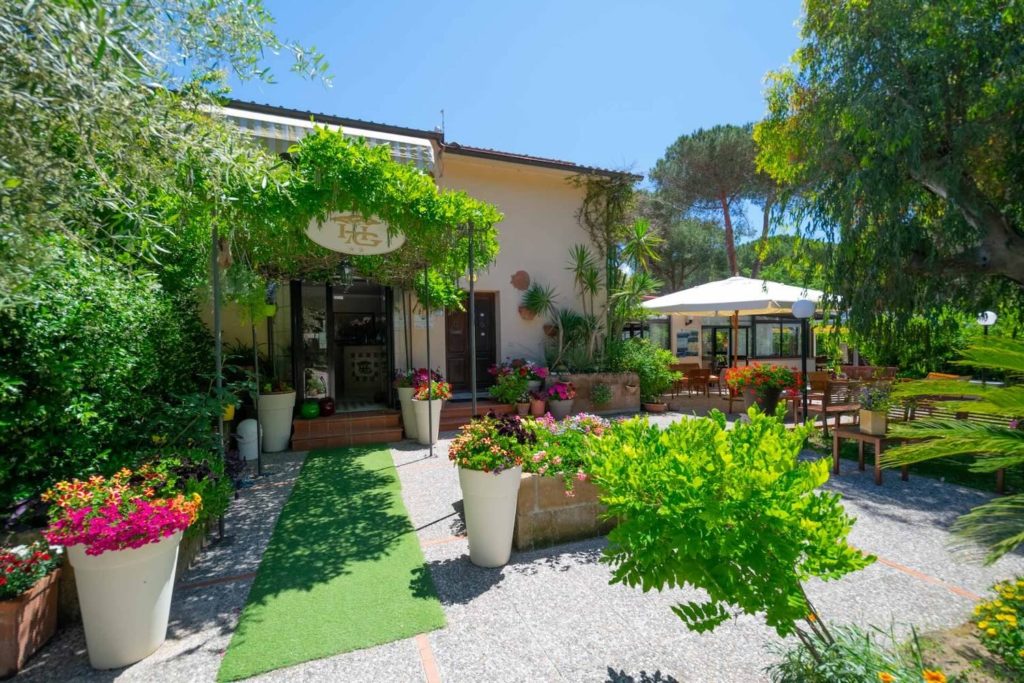
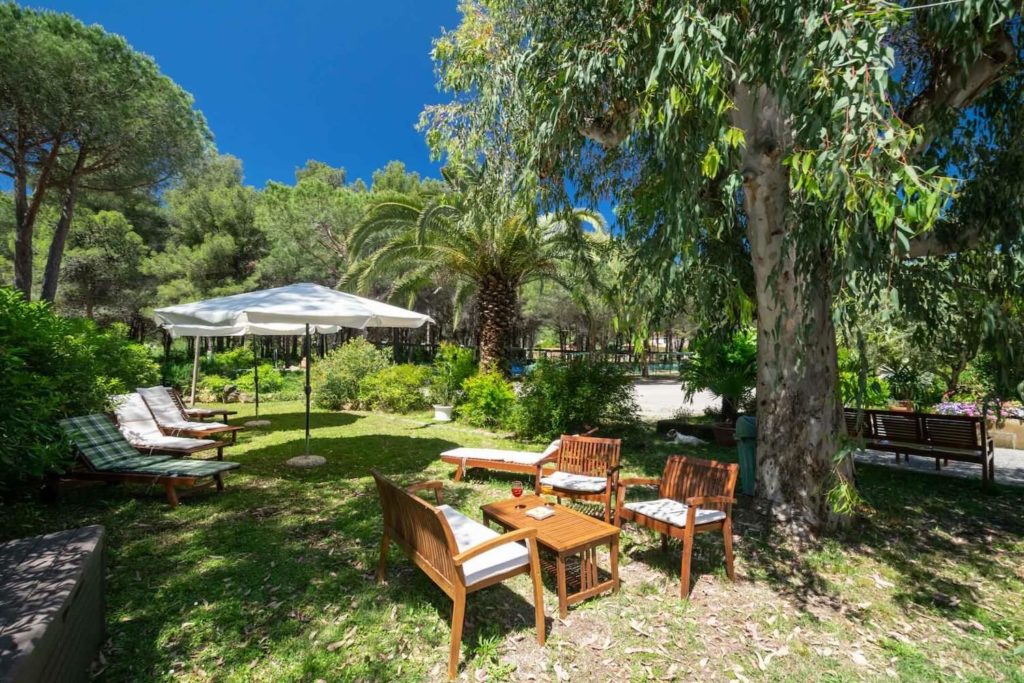
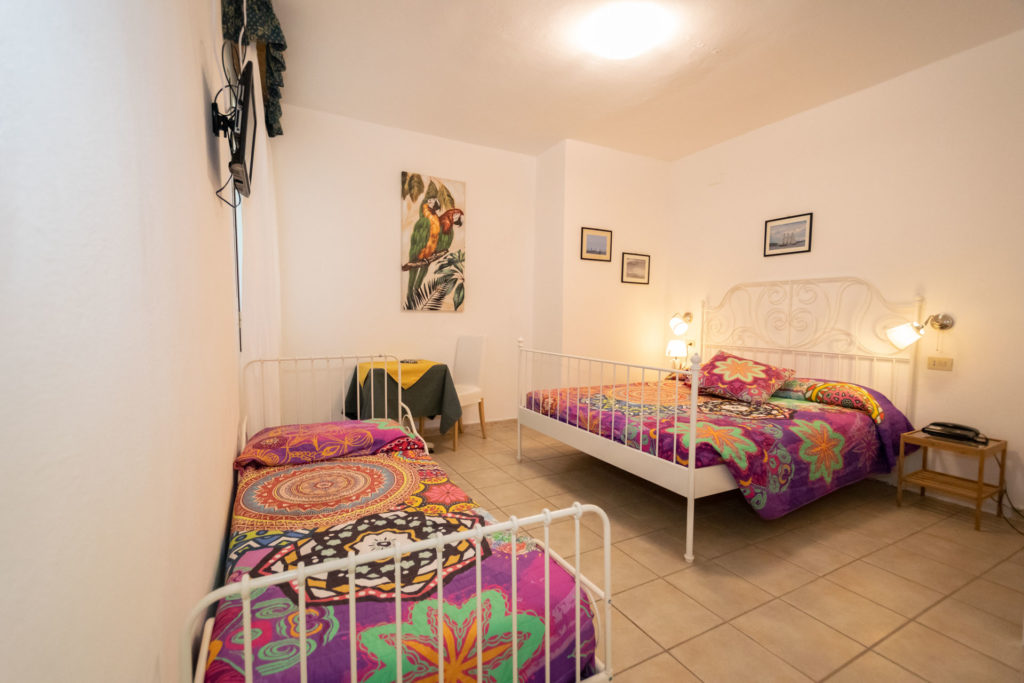
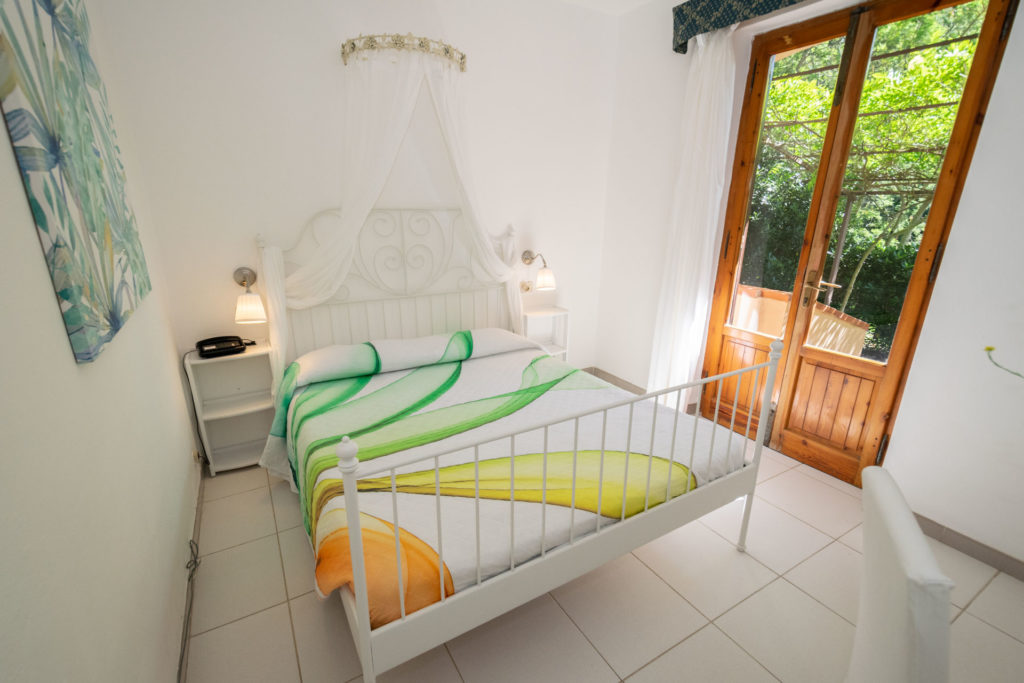
Q: Why is Hotel Giardino a good base for exploring Elba’s photo spots?
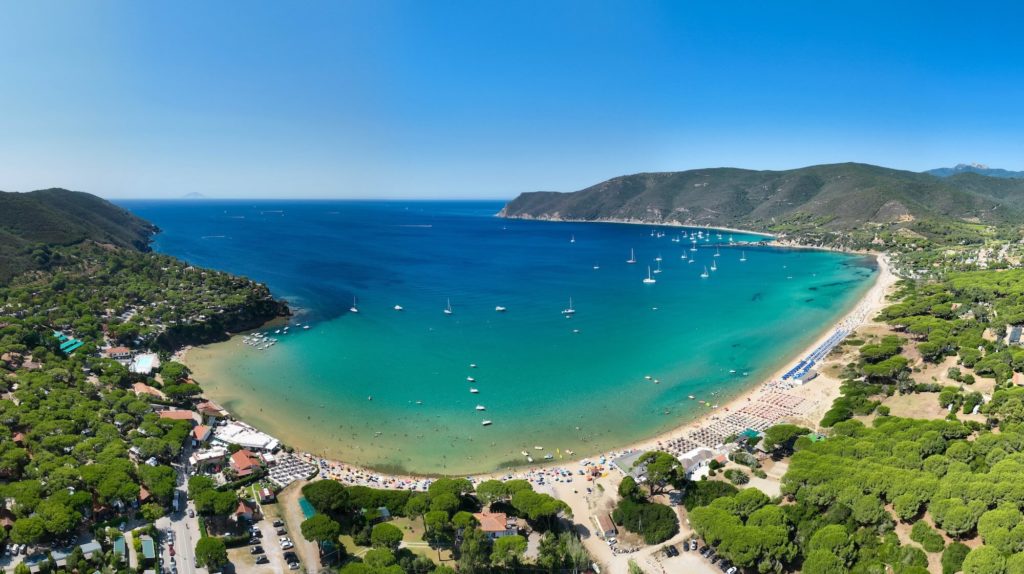
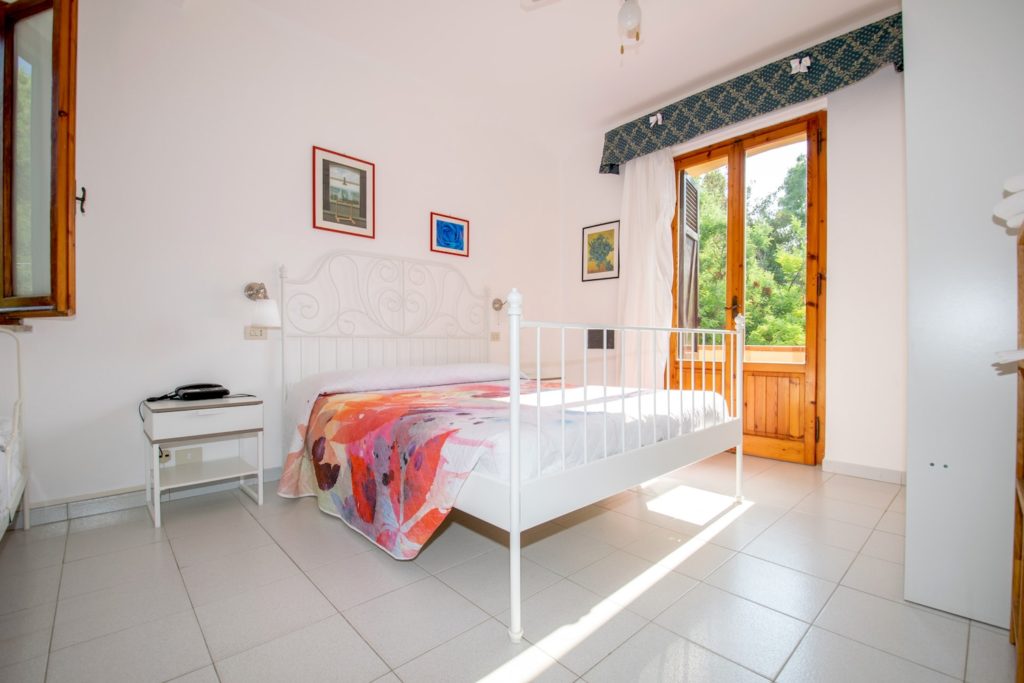
A: The family‑run Hotel Giardino is located in the village of Lacona on the island’s south coast, a few steps from the long sandy beach. This central position means that major towns such as Marina di Campo, Capoliveri, Porto Azzurro and Portoferraio are only a 10–15 minute drive away . The hotel is immersed in a 30 000 m² park, offering tranquillity and shade after a day’s shooting. Services include free Wi‑Fi, private parking and bike storage; the staff can advise on scenic trails and boat tours. From the hotel you can follow paths through the pines to reach Capo di Stella or walk down to Lacona beach to capture sunrise or sunset without using the car .
What can you visit near Hotel Giardino?
Several photogenic spots are within a few kilometres of Lacona:
- Lacona beach: a long bay of golden sand backed by dunes. It is wonderful at sunrise or sunset when the light glows and the reflections of umbrellas and sailboats add human elements .
- Laconella beach: a smaller cove of white sand and turquoise water reached by a short path. Protected cliffs and rocks offer panoramic viewpoints .
- Capo di Stella: a promontory with a 2 km hiking trail to a 360° viewpoint over the gulfs of Lacona and Stella .
- Margidore beach: a dark shingle beach where the contrast between the black pebbles and emerald sea is striking; sunrise behind Monte Tambone provides dramatic backlighting .
- Monte Tambone & Santuario di Monserrato: this hill offers panoramic hiking, while the sanctuary near Porto Azzurro provides evocative views over the bay .
A table in the original article summarises distances and photographic highlights for Lacona, Laconella, Capo di Stella and other nearby places .
Which panoramic viewpoints offer the best vistas?
Q: Where can you enjoy the most spectacular panoramic views on Elba?
A: The island has many natural “viewing terraces”. These are among the most scenic:
- Monte Capanne: the highest point of the island offers 360° views across the entire archipelago. Reach it by cable car or on foot and arrive at sunrise or sunset for golden light .
- Castello del Volterraio: a medieval fortress that commands views over the hills and gulfs of the north-east. A short hike leads to the ruins; sunset light creates a magical atmosphere .
- Forte Falcone in Portoferraio: a Medici fortress where you can photograph the harbour and town from above, especially in late afternoon or evening .
- Santuario della Madonna del Monte (Marciana): reached via a 20–30 minute forest walk, this sanctuary overlooks Marciana Marina and is best photographed in the morning or autumn .
- Semaforo di Capo alle Serre (Chiessi): the ruins of a signal tower at 600 m above sea level; a challenging hike rewards you with views towards Corsica, perfect at sunset .
- Torre di San Giovanni (San Piero): an ancient watchtower near Marina di Campo that offers views over the gulf; sunset is the ideal time to capture silhouettes against the sea .
- Masso alla Quata / Pietra Murata: a rock outcrop near Rio nell’Elba that affords vistas of the eastern coast and is great for drone shots or close‑ups of colourful lichens .
When photographing panoramas, the article advises shooting at favourable times (early morning or sunset) and including a reference object (person, structure or tree) in the frame to add scale and depth .
Which historic villages are the most photogenic?
Q: Which towns and villages should photographers not miss?
A: Elba’s villages offer a special charm: cobbled alleys, colourful houses, sea views and centuries of history. The article highlights:
- Marciana: an ancient mountain village at 375 m with narrow granite streets and arches. Photograph the stone houses covered in vines and bougainvillea, pastel doors and sleepy cats. Don’t miss the Pisan fortress for a panoramic view over the village framed by chestnut woods . Visit in the morning for frontal light or in the late afternoon to capture local life; use a wide‑angle lens in narrow lanes .
- Capoliveri: a medieval hill village at 167 m with a maze of cobbled alleys, stairs and intimate squares. Flower‑filled balconies contrast with coloured walls. Panoramic terraces such as Piazza Matteotti, Belvedere Rény and Madonna delle Grazie overlook the Gulfs of Stella and Porto Azzurro. Sunset here paints the sky purple and orange – perfect for silhouettes of rooftops or dark alleys opening onto the glowing horizon . In mid‑July the Festa dell’Innamorata illuminates the nearby beach with torches, creating cinematic night shots .
- Portoferraio: the island’s capital has two “souls”: the lively harbour with colourful houses and yachts, and the historic Medici fortresses (Falcone and Stella) and maze of internal alleys. You can capture sunsets reflecting on the harbour while Forte Stella glows pink, or wander the streets to find scenes such as laundry hanging between houses on Salita Napoleone . Climb to Forte Falcone for expansive views, and consider photographing the yellow Villa dei Mulini (Napoleon’s residence) and city beaches like Le Viste or Le Ghiaie to contrast turquoise water with ancient walls .
- Porto Azzurro: a picturesque fishing village on the east coast. Colourful boats bob in the harbour, palm‑lined Piazza Matteotti buzzes with cafés and restaurants, and the Spanish Fortress of San Giacomo towers above . Climb to the Santuario di Monserrato for a sweeping view. At sunset the sky behind the fortress glows orange; try experimenting with sunburst effects or silhouettes .
- Marciana Marina: an elegant harbour town in the north. Pastel houses surround a port dominated by a Saracen tower. The Cotone promenade is full of details – fishing boats, colourful facades and flower‑filled balconies . The Piazzetta del Cotone is one of the most photographed corners, and the Medici tower glows golden at sunset; portraits with soft evening light work well here .
- Rio Marina: a mining village on the east coast with a seafront promenade and octagonal tower. The surrounding landscape is tinted rust‑red by hematite, with black sands and sparkling iron residues; the mining park and emerald Conche Lake provide almost Martian scenes . Use a polariser to saturate colours and remove reflections .
- Rio nell’Elba: an inland medieval village immersed in the national park. It’s perfect for reportage‑style photography: wooden doors, stone fountains and panoramas of the eastern ridge with sea on both sides . Morning light is best; consider trekking to the Hermitage of Santa Caterina for wide vistas .
- Sant’Ilario & San Piero: two granite villages above Marina di Campo. Sant’Ilario has a Romanesque church and quiet, flower‑lined lanes; San Piero is known for its granite quarries and the monumental church of San Nicolò. The view over the Gulf of Campo and Monte Cristo is superb. Black‑and‑white photography can emphasise the granite textures and timeless atmosphere .
In general, the article advises exploring on foot, getting lost in side lanes and observing how the light plays between the buildings. Early morning and sunset offer warm colours and fewer crowds .
Which beaches offer postcard‑perfect scenes?
Q: Elba is famous for its beaches. Which ones are the most photogenic, and how can you make the most of them?
A: The island’s beaches each have their own character:
- Sansone (Portoferraio): A north‑coast gem of white pebbles and high limestone cliffs, with transparent emerald water. The classic subject is the stack rising a few metres offshore; the beach is best illuminated from morning to early afternoon and can be crowded in high season .
- Padulella (Portoferraio): Similar to Sansone but smaller, with two rock faces framing the bay. Famous from perfume adverts, it is ideal for selfies against the turquoise water. Shoot in the morning or early afternoon when the white pebbles and azure sea glow .
- Fetovaia (Costa del Sole, west): One of Elba’s most famous beaches. A crescent of pale sand framed by granite cliffs and green hills. It looks like a tropical lagoon under midday sun and becomes romantic at sunset when the sun drops behind the western promontory .
- Cavoli (south‑west): A lively beach with clear water and granite cliffs. It’s known for its summer beach bar and groove. Photographically, contrast the granite on the right with the blue water; try visiting the nearby Grotta Azzurra for surreal blue reflections .
- Innamorata (Capoliveri, south‑east): A long gravel‑and‑dark‑sand beach facing south‑west, perfect for sunset as the sky ignites and the twin Gemini islets become silhouettes . On 14 July the beach is illuminated by a thousand torches during the Legend of the Innamorata – an opportunity for dramatic night shots .
- Sant’Andrea (Marciana, north‑west): A small sandy bay famous for its smooth yellow‑granite slabs known as Cote Piane. Play with the curves of the rocks and the emerald water; a drone shows the patterns of rocks and sand. It’s excellent for sunsets and macro shots of succulents and tropical flowers .
- Capo Bianco (Portoferraio): A large “tropical” beach of dazzling white cliffs and pebbles. Contrary to usual advice, midday sun works here: the vertical light intensifies the turquoise water and white backdrop .
- Biodola (Portoferraio): A popular north‑coast bay with golden sand surrounded by green hills. Shoot from above via a nearby path or drone to capture its harmonious shape; sunrise offers calm waters and pastel tones .
- Le Ghiaie (Portoferraio): An urban pebble beach with cobalt water and legendary history. Photograph the turquoise sea with the Medici fortresses in the background ; afternoon light illuminates the city, and the beach is part of a marine reserve – underwater shots of fish among the pebbles can enrich your album .
These are just some of Elba’s most photogenic beaches. The article suggests looking beyond the classic shoreline views: climb promontories for aerial perspectives, use a drone where permitted, include foreground elements and plan your visit according to the beach’s orientation .
Where are the island’s most beautiful sunsets?
Q: Which locations offer the best sunset views?
A: According to local experience, the top five places to watch and photograph the sunset are:
- Monte Calamita scenic road (Capoliveri): Various lay‑bys along the road down to the mines offer vistas of the sun dropping into the Gulf of Stella, painting the sea and sky in lilac, yellow, orange and coral . Use a telephoto to compress the scene and include a foreground silhouette for added interest.
- Costa del Sole – Chiessi and Pomonte: The south‑west coast between Cavoli and Pomonte is known for sunsets over the open sea. Locals gather on benches or rocks to watch the sun “dive” into the water . A wide‑angle lens captures the coastline and villages, while a telephoto isolates the disc of the sun with Capraia and Corsica in the background .
- Gulf of Viticcio (Portoferraio): From the beach or nearby terrace you can watch the sun sink between Capo d’Enfola and Marciana Marina, often framed by yachts in the bay. Try long exposures for silky reflections .
- Le Ghiaie (Portoferraio): Sit on the seafront wall with a gelato and capture the sun dropping behind the Medici fortifications. Experiment with sunburst effects or silhouettes of strolling locals .
- Castello del Volterraio: Watching the sunset from this ancient fortress is almost mystical. The sky changes from yellow to red and violet while the lights of Portoferraio flicker below . Bring a tripod and torch for the descent; use graduated ND filters or bracketing to balance the bright sky and dark land .
Locals also mention secret sunset corners such as the Punta Polveraia lighthouse at Patresi or winter sunsets from Procchio beach . In general, you need to consider where the sun sets at that time of year (north‑west in summer, south‑west in winter) .
Which hikes or activities are recommended for photographers?
Q: Are there hikes or experiences on Elba that photographers should consider?
A: Absolutely. Beyond driving between viewpoints, the guide suggests various excursions and activities for unique photographic opportunities:
- Grande Anello Occidentale trek: Starting from Marciana, this panoramic loop traverses the western ridge, visiting Monte Giove and the medieval fortress of Giove and revealing wild coastal views . The ridge trail winding among broom bushes with sea on both sides makes for stunning “trail” photos .
- Capo d’Enfola and Tonnara trail: A circular path climbs the Enfola peninsula and offers superb views of the thin sand isthmus, the Gulf of Viticcio and wartime bunkers hidden in the vegetation . The old tuna factory and beached boats are perfect vintage maritime subjects. Visit in late afternoon to capture the sunset from the viewpoint .
- Via ferrata on Monte Capanne & rock climbing: For adventurous photographers, Elba offers a via ferrata on Monte Capanne and climbing sites like San Bartolomeo on Monte Serra . Shooting climbers against the sea or capturing your partner on the cliff makes for unusual action photos .
- Tour of the Ginevro mine (Capoliveri): This guided visit explores Europe’s largest underground magnetite mine. Inside, take atmospheric photos of dark tunnels lit by helmets; outside, capture the lunar landscape of red earth, rusted machinery and blue skies .
- Underwater photography: Join a boat excursion or diving centre to photograph the marine life of the protected zone at lo Scoglietto or the wreck of the Elviscot near Pomonte. Bring an action camera or underwater housing; midday light penetrates the water best .
- Kayaking along the coast: Renting a kayak allows you to approach caves and hidden coves impossible to reach on foot. Inside the Grotta Azzurra the cobalt reflections are magical; along the Costa dei Gabbiani you’ll discover secret inlets .
- Night photography: Away from the towns, Elba’s night sky is relatively dark. Hike to the Volterraio or Monte Perone for starry skies and try capturing the Milky Way above silhouettes of ruins or trees . Pack a tripod, fast wide‑angle lens and remote release .
- Photographing events: Local festivals are also photographic opportunities. The Legend of the Innamorata (14 July) lights up the beach with torches; the Festa dell’Uva in early October transforms Capoliveri with medieval decorations and grape pressing scenes; sporting events like the Elba Marathon or Legend Cup provide dynamic action shots .
- Secret “Lovers’ Path”: An off‑the‑beaten‑track trail near Capoliveri, ideal for romantic couple shoots at sunset .
In general, the guide recommends venturing off the beaten track. Each hike or boat trip reveals new perspectives and often more solitude, allowing you to compose calmly. Remember that Elba is part of the national park; respect the environment and take your rubbish back .
What is the best time of day or year to photograph Elba?
Q: Are there particular times of day or seasons that are especially favourable?
A: Light makes all the difference. On Elba you also need to consider the orientation of each subject relative to the sun. Some general guidelines:
- Sunrise: The early morning light is soft and golden/rosy, perfect for east‑facing villages (e.g., Portoferraio viewed from San Giovanni) and beaches such as Lacona . Pre‑dawn (20–30 minutes before sunrise) can produce intense red skies.
- Morning: From dawn until about 10 am the light is still gentle, producing vivid colours and interesting contrasts. East‑ or south‑east‑facing beaches like Lido di Capoliveri are beautifully illuminated .
- Midday: Harsh overhead light is generally less ideal for landscapes, but the exception is beaches with white or sandy bottoms such as Sansone, Capo Bianco and Padulella. Midday sun intensifies the turquoise water and clarity – especially when using a polariser .
- Afternoon: After 4 pm (earlier in autumn), west‑facing locations begin their golden hour. Western villages like Marciana and beaches on the Costa del Sole are bathed in warm light . In summer the sun sets later, so the golden hour might start after 7 pm; adjust depending on the season .
- Sunset: One hour before to half an hour after sunset is the classic window (see section on sunset spots). Remember that hills may hide the sun earlier; choose open west‑facing spots if you want to capture the disc sinking into the sea . Afterglow and blue hour provide colourful skies .
- Night: On new‑moon nights you can photograph stars and the Milky Way from dark locations; on full‑moon nights the rising moon itself becomes a subject .
- Seasons: Spring brings clear light, lush green vegetation and flowers; summer has long days and hazy atmospheres that create red sunsets; autumn offers clear skies after rains and warm colours in the chestnut woods and vineyards; winter can deliver crystal‑clear air with views to snow‑capped Corsican mountains and dramatic clouds .
In summary, Elba offers photographic opportunities at all hours. Use apps like Sun Surveyor or PhotoPills to determine sun position and golden‑hour times . Adapt your subject and style accordingly: wide landscapes at sunrise/sunset, village scenes in early morning or late afternoon, underwater shots at midday, and starry skies at night .
What photographic equipment do you need?
Q: Should you bring a DSLR or a smartphone? Which lenses and accessories are useful?
A: The best gear depends on your ambitions, but to capture the island at its best the article recommends:
- Camera: A DSLR or mirrorless camera (APS‑C or full‑frame) provides quality and flexibility, though a high‑end smartphone can suffice for many scenes. If using a smartphone, consider shooting in “Pro” mode and using clip‑on lenses .
- Lenses:
- Wide‑angle (10–20 mm APS‑C or 16–35 mm full‑frame) for sweeping landscapes, beaches and starry skies .
- Standard zoom (e.g., 18–55 mm APS‑C or 24–70 mm full‑frame) for most everyday scenes, village shots and environmental portraits .
- Telephoto (70–200 mm or similar) for wildlife (seabirds and falcons) or isolating distant elements like lighthouses and sunsets .
- Fast prime (35 mm or 50 mm f/1.8) for portraits and low‑light shots in villages .
- Macro for close‑ups of flowers and butterflies – optional but rewarding .
- Filters: A circular polariser enhances sky and water colours and reduces reflections . ND filters allow long exposures for silky waves or moving clouds; graduated ND filters balance bright skies and dark foregrounds . An UV/protection filter shields lenses from salt and sand .
- Tripod: Essential for sunrise, sunset, night photography and long exposures . A small table tripod can support a smartphone or GoPro .
- Accessories: Remote release or intervalometer for night shots and timelapses; spare batteries and power bank (no sockets on mountains); ample memory cards; waterproof backpack or dry bag; cleaning kit (blower and microfibre cloth) . A drone can offer incredible aerial perspectives but check park regulations before flying .
The article includes a table summarising recommended gear for different scenarios (landscapes, villages, beaches, sunsets, wildlife, night photography, underwater, portraits and trekking) . It concludes that a mirrorless body with a 16–80 mm zoom, a 70–200 mm telephoto, a polariser and a travel tripod covers 90 % of situations; a modern smartphone with a small tripod and polariser can also produce stunning results .
Other useful tips for photographing Elba
Q: Any final advice for visiting photographers?
A: The article offers several practical suggestions:
- Plan and scout: Use apps or maps to understand where the sun rises and sets for each location; visit sites during the day to plan compositions for a later session .
- Watch the weather: After a summer storm the air becomes crystal clear; clouds can add drama to your shots . On overcast days focus on details or street scenes .
- Avoid peak tourist hours: In August beaches and towns are crowded. Shoot at dawn or off‑peak times to avoid people, or use long exposures to blur moving crowds .
- Respect restrictions and nature: Some sites, like Volterraio, require a guided visit; follow park rules, avoid flying drones in prohibited zones and never disturb wildlife or remove marine life .
- Tell a story: Learn about local legends (e.g., the Legend of the Innamorata) or historical events (Napoleon’s residence) to enrich your photographic narrative .
- Backup your data: Make regular backups and consider uploading your best shots to the cloud when Wi‑Fi is available .
- Experiment and have fun: Try timelapses of clouds over Monte Capanne, hyperlapses through Capoliveri’s alleys, star trails or 360° panoramas . Include yourself or your travel companions in some shots – human figures add scale and emotion .
- Be ready: Keep your camera handy for unexpected scenes such as dolphins offshore or rainbows after a storm .
- Enjoy the moment: Once you’ve taken your photos, put the camera down and soak in the sights, smells and sounds of the island .
Conclusion
Elba is a photographer’s dream. From intense blue seas and fiery sunsets to timeless villages and panoramic peaks, every corner offers a new story to capture . The family‑run Hotel Giardino in Lacona is happy to be your starting and finishing point, providing relaxation between photographic expeditions . Charge your batteries, clear your memory cards and enjoy a photographic journey across this beautiful island – may your photos be unforgettable and your memories precious.