


Introduction
The Island of Elba is a paradise for adventurers, sea‑lovers and photographers. The colours of the Mediterranean change constantly in hidden coves, on golden beaches, along dramatic cliffs and in the depths themselves. For those who want to shoot underwater, Elba offers a unique mosaic of landscapes, colours and shapes. To make the most of this experience you need a strategic base that combines comfort, family‑run hospitality and easy access to the best dive and snorkelling sites. The staff of Hotel Giardino, a long‑established property set in a 30 000 m² park in the beautiful Gulf of Lacona, wrote this guide to help you discover the island as if you were at home . It includes a Q&A section, summary tables, practical advice and curiosities about where to practise underwater photography on Elba, how to prepare and why the hotel is the ideal base. You will also find information on diving centres, recommended dive sites, the right equipment and the best seasons, together with suggestions on what to visit nearby .
Why choose Hotel Giardino as your underwater photography base
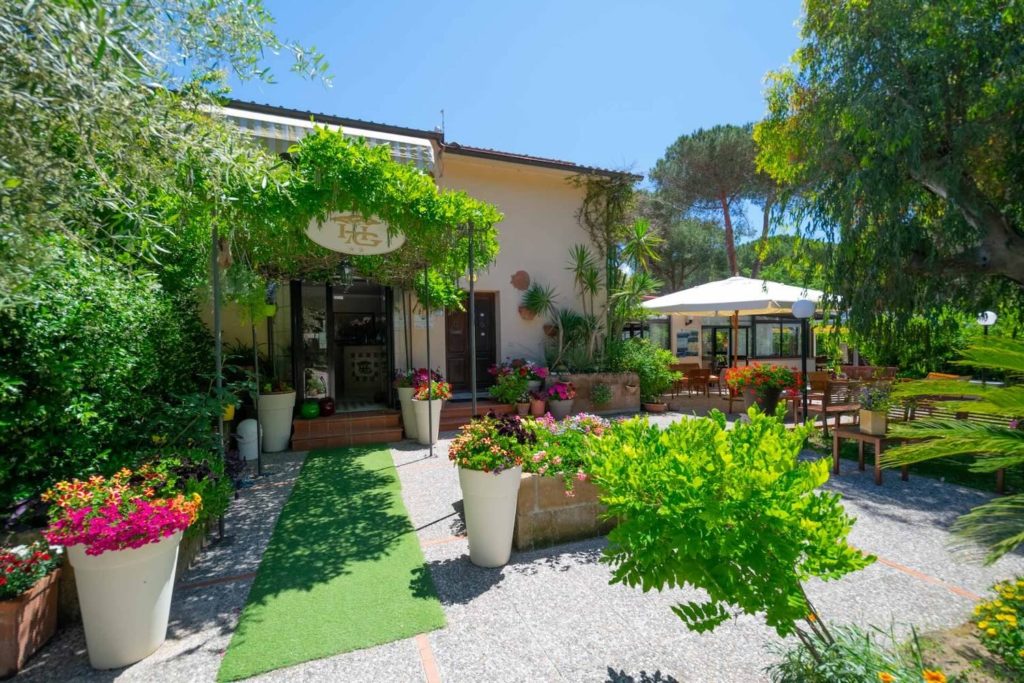
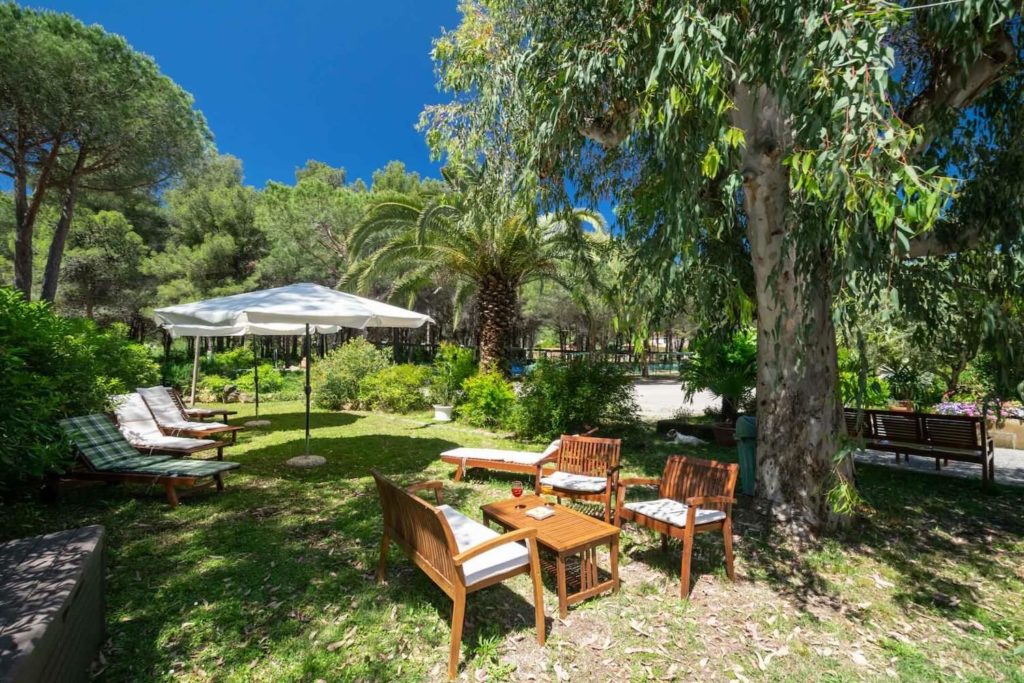
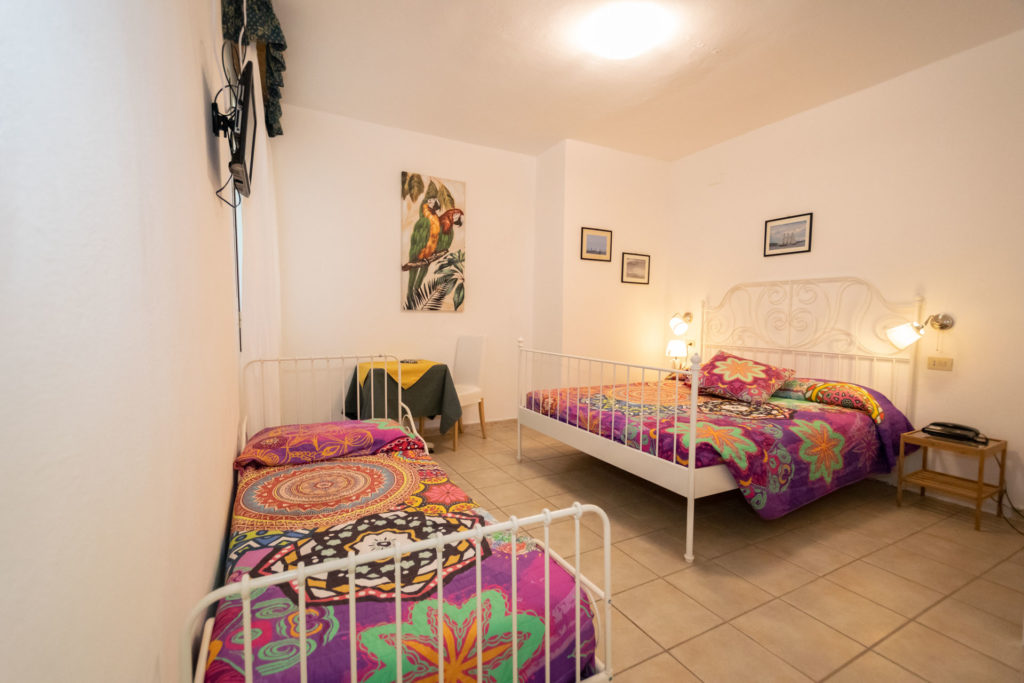
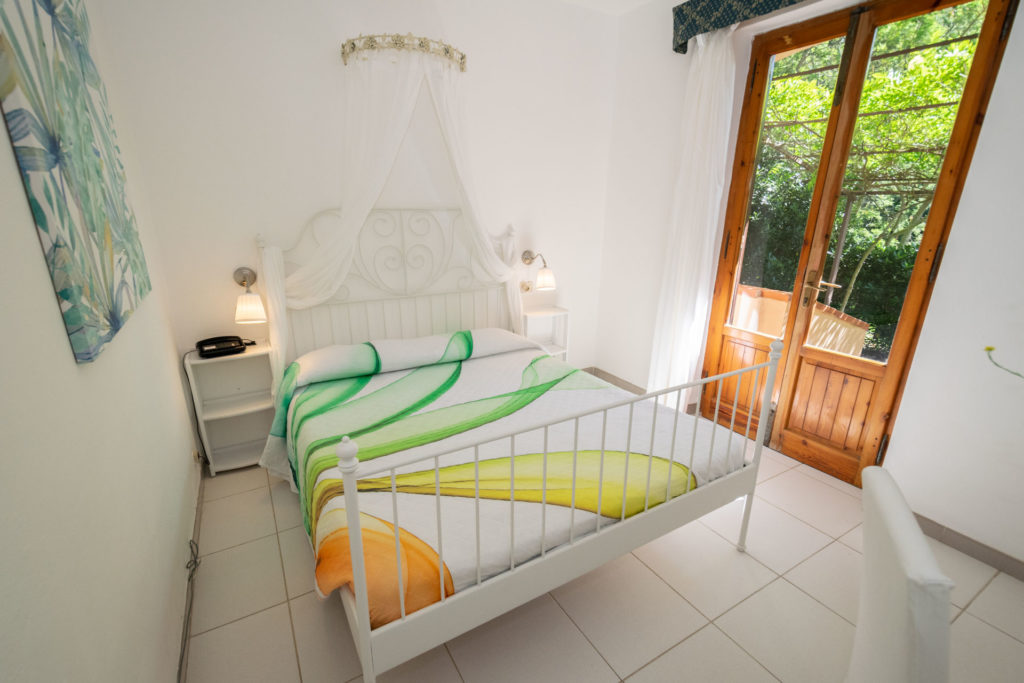
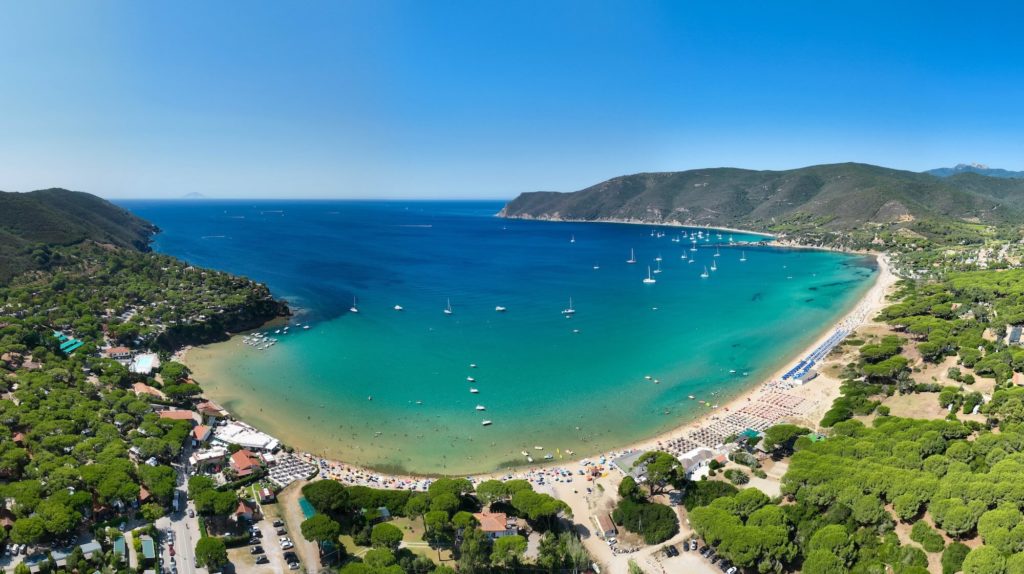
An oasis in the Gulf of Lacona
Hotel Giardino stands at the centre of the Gulf of Lacona, one of the most loved coastal stretches of Elba. Immersed in a 30 000 m² park of pine trees and Mediterranean scrub, it offers tranquillity and privacy – priceless after a day of diving. Guests can walk along scented paths, relax under the pines or find a quiet corner to read. A protected footpath crosses the dunes to reach Lacona beach in just a few minutes; this long sandy beach is famous for its golden sand, gently shelving seabed and services such as pedalo, kayak and SUP hire .
A property designed for underwater photographers
The hotel is not only well located but also equipped for those who explore the sea:
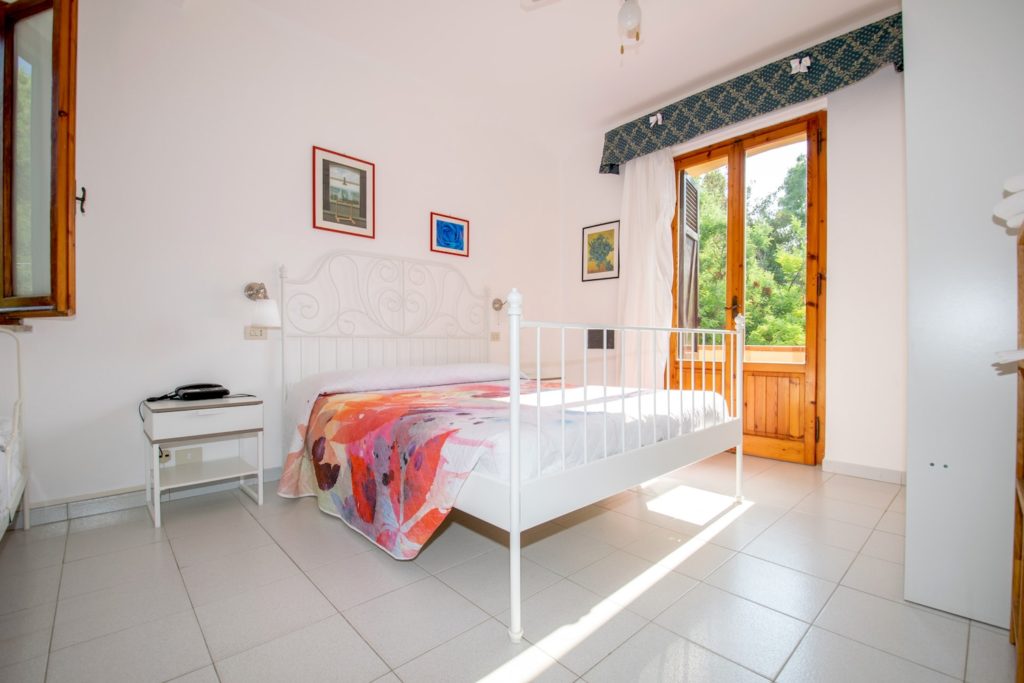
- Simple, functional rooms – all rooms have air‑conditioning, flat‑screen TV, private bathroom with shower and hairdryer and safe. Many have independent entrances and a balcony or patio with direct access to the garden, ensuring privacy and comfort after diving .
- Bike storage and services for athletes – a covered and secure bike room is available, and staff provide maps for trekking and mountain‑bike routes .
- Free Wi‑Fi – in communal areas such as the dining room, bar and relaxation zone, useful for backing up and sharing your photos .
- Genuine cuisine and rich breakfast – a buffet breakfast with local products and homemade cakes provides the energy needed for a day of activity; lunch and dinner feature typical dishes and outdoor barbecues with a focus on fresh fish .
- Family hospitality – the staff offer personalised advice on diving centres, routes, rentals and the best times for photography. Reviews praise the cleanliness of the rooms and the friendliness of the team .
- Dog friendly and parking – pets are welcome and there is ample parking for cars and motorcycles .
Proximity to beaches and towns
Lacona’s central position allows you to reach the island’s main centres in minutes:
- Marina di Campo (≈10 min by car) – a tourist resort with a long sandy beach, shops and restaurants; many diving centres depart from here .
- Capoliveri and Porto Azzurro (≈15 min) – charming hill towns with narrow lanes, squares, boutiques and museums; nearby attractions include the Focardo fortress, the Madonna delle Grazie Sanctuary and the Capoliveri mines .
- Portoferraio (≈15 min) – the island capital with Medici fortresses, Napoleonic villas, museums and the ferry port. Many boat trips and dives to the Scoglietto marine reserve start here .
Thanks to this centrality, from Hotel Giardino you can reach the western coast (Pomonte, Chiessi, Fetovaia), the northern coast (Procchio, Marciana Marina) or the eastern coast (Porto Azzurro, Rio Marina) on day trips. The many diving centres dotted around the island offer a wide choice of sites and the staff will help you select those best suited to your level .
Our advice: experience nature with respect
As staff who love Elba’s nature, we enjoy guiding guests not only to famous beauty spots but also to lesser‑known corners. Please follow a few rules:
- Respect the environment – avoid walking on dunes, do not take plants or sand and do not disturb wildlife; Lacona beach has a protected dune area .
- Leave no trace – always carry a rubbish bag and do not leave cigarette butts or plastics .
- Know the sea – check currents and weather before diving; rely on professionals and follow dive masters’ advice .
- Support the local economy – buy typical products (wine, honey, jams), visit craft workshops and take part in cultural events .
Choosing Hotel Giardino means living an authentic experience based on sharing knowledge and passion. It is your home on Elba and the staff are ready to guide you from the depths of the sea to the hilltops .
Underwater photography on Elba: technical tips and equipment
Why Elba is a paradise for underwater photographers
Elba’s seabed is characterised by clear waters, exceptional visibility and outstanding biodiversity. According to the SSI MyDiveGuide, the waters around Elba offer incredible visibility and a great variety of marine life, making underwater photography very popular . Divers can capture red gorgonians, yellow sponges, barracuda schools, multicoloured nudibranchs, groupers and sea bream, as well as historic wrecks carpeted with flora and fauna. Shallow sites such as the Elviscot wreck at Pomonte (12 m) allow spectacular light to filter through the hull and are perfect for snorkelling .
Basics of underwater photography
Underwater photography requires specific knowledge because water absorbs colours and light, reduces sharpness and amplifies the apparent distance. The following principles help improve your shots :
- Get close to the subject – suspended particles create a “fog” that reduces contrast and detail. Approach as much as possible and use an external light source (flash or LED lamps) to minimise backscatter.
- Manage light – water absorbs colours progressively (red disappears at 5 m, orange at 7 m). Use external flashes and correctly position them (about 45 ° to the camera axis) to avoid illuminating particles .
- Composition and perspective – shooting upwards gives depth and majesty. In macro shots, focus on the animal’s eyes and wait patiently for the right moment; diagonal lines or the rule of thirds add dynamism .
- Equipment care – before each dive, check and lubricate O‑rings; after diving rinse in fresh water and avoid exposing the camera to the sun. Bring a maintenance kit .
- Buoyancy and breathing – stability in the water is essential; work on your trim so as not to disturb sand or touch corals. Slow, deep breathing helps you remain still and approach animals without frightening them .
Recommended equipment
Drawing on our experience and the advice of professional photographers, the ideal equipment for shooting on Elba includes :
- 4K action cam with underwater housing – perfect for snorkelling and recreational dives; a dome (half‑sphere) allows half‑above/half‑below shots, ideal in caves and near the surface .
- Compact or mirrorless camera with housing – top‑end compacts with 1‑inch sensors produce RAW files that are easy to edit; micro‑4/3 or full‑frame mirrorless cameras offer excellent quality but require expensive housings .
- Wide‑angle and macro lenses – a fisheye (7–8 mm) or rectilinear wide lens (≈16 mm) captures underwater landscapes, wrecks and gorgonians, while a macro lens immortalises nudibranchs and seahorses .
- Red or magenta filters – in open‑water snorkelling or shallow wide‑angle shots, red/magenta filters compensate for colour loss .
- Lights/flash – video lights of 1 000–3 000 lumen suffice for small subjects; two external strobes of 100–200 J illuminate gorgonians and wrecks .
- Modular arms and trays – flexible arms allow flashes to be positioned at different angles to avoid reflections .
- Dive computer and signalling buoy – always necessary for monitoring time and depth; a surface marker buoy is mandatory for safety .
- Safety accessories – whistle, mirror, signalling torch and first‑aid kit .
Frequently asked questions about equipment
- Can I use a simple action cam? Yes; modern action cams (GoPro, DJI) with waterproof housing and red filters are perfect for snorkelling and dives up to about 40 m, especially when paired with a torch .
- Can I take a DSLR? DSLRs offer excellent quality but require dedicated housings and expensive external flashes. On many recreational dives they are bulky; a mirrorless or premium compact is often more versatile .
- Is a red filter necessary at shallow depth? Up to 5 m you can do without if you use sunlight and wide‑angle lenses; deeper down a filter helps restore natural colours .
- What lights do you recommend? At least a 1 000‑lumen torch for macro; for wide‑angle shots, two strobes of 100–200 J or video lights of 3 000 lumen are ideal .
- Should I worry about maintaining the housing? Yes; always rinse the housing in fresh water, lubricate O‑rings, test the seal before diving and keep the housing out of direct sun .
The best diving centres on Elba
Elba boasts numerous professional diving centres, many just minutes from Hotel Giardino. Thanks to the hotel’s central position, you can try several centres during the same holiday. The list below draws on our official guide and highlights the main centres, summarised in a comparative table .
Summary of main diving centres
| Diving centre | Location | Courses (PADI/SSI) | Languages | Opening | Services & notes | Approx. price |
|---|---|---|---|---|---|---|
| Sottolonda Diving Center | Lacona (100 m from beach) | PADI: from entry‑level to Instructor, specialties (night, wreck, photography, TecRec, inclusive diving) | Italian, English | Apr–Oct | Showers, lockers, Wi‑Fi, small groups; dives at Elviscot, Secca di Punta Morcone, Capo Fonza and Punta Nera; inclusive dives for people with disabilities | ≈€45 per dive |
| Talas Diving Center | Lido di Capoliveri | PADI 5★; up to Assistant Instructor | Italian, English | May–Oct | Base 100 m from the beach; large boat with Nitrox; children’s courses; accommodation in bungalows; trips to Pianosa | €45–90 per single/double dive |
| Diving in Elba | Portoferraio, Biodola, Procchio | PADI & SSI; courses for children | Italian, English, German, French | Apr–Oct | Three bases; 30+ sites; full‑day excursions to Capraia and Pianosa; photo/video services; Nitrox | ≈€50 per dive, €90 for two |
| Stefano Sub Diving Center | Porto Azzurro & Naregno | PADI 5★ & SNSI; advanced courses | Italian, English, German | Apr–Oct | Slow‑diving philosophy; small groups; dives on southern walls (Capo Calvo, Punta delle Cannelle) and Capo Stella; accommodation packages; ferry discounts | ≈€50 per dive |
| OmniSub Diving Center | Barbarossa (Porto Azzurro) | PADI, SSI, CMAS; freediving | Italian, German, English | May–Oct | Two boats + inflatable; equipment transport; dives around Capo Focardo and Capo Calvo; weekly trips to Pianosa; courses in SUP, canoeing and languages | ≈€50 per dive, packages of six dives ~€270 |
| Biodivers Elba Sea Academy | Reale (Porto Azzurro) | PADI & freediving; workshops in marine biology and photography | Italian, English, French | May–Oct | Staff of marine biologists; citizen‑science laboratories; themed groups (macro, wrecks, biodiversity); sunset aperitifs; family activities | ≈€50 per dive |
| Aquanautic Elba | Morcone (Capoliveri) | SSI; freediving & mermaiding | Italian, German | May–Oct | Beach‑front base; free 32 % Nitrox; dives at Capo Stella, Gemini, Pianosa; custom snorkelling tours for families | ≈€50 per dive |
| Elba Diving Center | Marciana Marina | SSI XR; technical courses | Italian, English, French, German | Apr–Oct | Dives along the north‑west coast (Sant’Andrea, Paolina, Capraia); lodging packages; 10‑dive cards (~€400) | ≈€45 per dive |
| Spiro Sub Diving Center | Marina di Campo | PADI; children’s courses | Italian, English, German | May–Oct | Historic German‑run centre; boat for 12 divers; trips to Pianosa; babysitting; “Elba Dive Card” for combining dives across multiple centres | ≈€50 per dive; Open Water course ≈€430 |
| Sub Now Diving Center | Marina di Campo | SSI Blue Oceans; PADI on request | Italian, English, German | Apr–Oct | Slow diving; boat for 12 divers; Fly & Dive (skydiving + dive); dives at Marina di Campo, Fetovaia, Capo Sant’Andrea; environmental packages | ≈€50 per dive; Open Water ≈€390 |
| Bolle d’Azoto Diving Center | Cavo (Rio Marina) | PADI; technical courses (Trimix, rebreather) | Italian | Apr–Nov | Technical dives; deep wrecks in the north‑east (Capo Vita, Santa Lucia); sunset aperitifs and lodging packages; strict environmental protection | ≈€50 per recreational dive; ≈€80 technical |
Dive and snorkelling sites for photography on Elba
Elba offers more than 40 dive sites, from shallow wrecks accessible to beginners to deep pinnacles reserved for the experienced. The most photogenic sites are described below, with details on depth, difficulty, habitat and photographic tips .
- Elviscot wreck – Pomonte (West) – merchant ship (Elviscot) lying at 12 m on a sandy/rocky seabed. Easy dive suitable for beginners and snorkellers. The shallow depth allows spectacular light to filter through the hull, which is covered with algae and colourful sponges and inhabited by schools of damselfish, salema and sea bream. Barracuda and amberjack patrol the area. Photographic tips: dive around noon for maximum light; use a wide‑angle lens to capture the entire ship; if snorkelling, fit a red filter .
- Formiche della Zanca – North‑west – rockfall/wall with three emerging rocks; depth 20–48 m; very difficult (requires Deep Diver certification). Two routes: one along walls and canyons covered with sea daisies and colourful sponges; the other crosses a sandy channel to a large wall studded with red gorgonians. Lobsters, moray eels and scorpionfish hide among the stones; dentex, barracuda and eagle rays patrol the outer wall. Photographers come here for the abundance of nudibranchs. Tips: macro lens for slugs and wide‑angle for landscapes; use a powerful strobe and position flashes laterally to avoid backscatter .
- Franata delle Cernie – Scoglietto di Portoferraio – slope within a marine protected area; depth 7–25 m; medium difficulty. Fish are unafraid and swim close to divers: brown groupers, wrasses, sea bream and bluefish; predatory dentex, amberjack and barracuda patrol the boundary between slope and sandy bottom. At night it’s perfect for photographing moray eels and conger. Tips: bring a wide‑angle for the big groupers and a macro lens for close‑ups of tube worms and small fish .
- Punta di Fetovaia – South‑west – slope with gorgonians and seagrass; depth 20–45 m; medium–difficult due to currents and depth. The dive starts on a seagrass meadow where large groupers swim. At ~20 m huge boulders drop towards the sand, forming a realm of red gorgonians with hiding places for lobsters, scorpionfish and anthias. At 45 m lies a small barge wreck used for laying marine cables. Colourful sponges and posidonia create a fantastic palette. Tips: use a wide‑angle for the gorgonians; the depth requires experience; the 45 m wreck provides technical photographers with striking scenes .
- Secca di Capo Fonza – South (Gulf of Fonza) – pinnacle rising from 4 m to over 40 m; medium–difficult. The top is at 4 m and the east face drops vertically to 40 m. Coral branches, lobsters, moray eels and conger hide on the south face while dentex and barracuda hunt in the open water. Two small caves at 30 m harbour colourful sponges; at 20 m two pinnacles often attract large dentex and barracuda. Tips: carry torches for the caves; use a wide‑angle for the landscape and a macro for nudibranchs; a marker buoy is essential due to boat traffic .
- Relitto aereo di Punta Nera – Porto Azzurro – plane wreck of a BN‑2A Islander at ~12 m; easy. The fuselage lies intact on sand and seagrass; sponges and bryozoans cover it and conger eels and moray eels shelter inside. Schools of damselfish and saddled bream surround the wreck. Tips: perfect for beginners and snorkellers; shoot in the morning to light up the interior; a wide‑angle lens captures the plane as a whole; avoid stirring up sand .
- Secca di Santa Lucia – Cavo (North‑east) – pinnacle formed by three rocks; depth 6–25 m; medium difficulty. The main top is at 6 m; the bottom at 25 m. Colourful marine worms (Serpula) form fan‑like colonies, while yellow zoanthids (Parazoanthus) and gorgonians grow on the rock. Large conger eels and moray eels hide in cavities. Tips: perfect for macro; take powerful lights and stay close to the rocks to reduce current .
- Capo Sant’Andrea – North‑west – wall and slope; depth 15–35 m; medium difficulty. The walls are adorned with red gorgonian forests and yellow sponges. Rocks descend to 35 m where octopus, moray eels, lobsters and starfish live; moderate currents bring schools of sea bream and barracuda. Tips: a fisheye lens captures the gorgonian forests; bring strong flashes to saturate colours and focus on starfish for macro shots .
- Secca di Fetovaia – South‑west – labyrinth of boulders; depth 15–35 m; medium difficulty. Large rocks covered with red gorgonians are home to moray eels, groupers and octopus. Each crevice hides surprises such as basket stars, nudibranchs and red scorpionfish; dentex and amberjack patrol the blue water. Tips: a wide‑angle lens captures the play of light between the rocks; a flash highlights colours in the holes .
- Capo Enfola – North – walls; depth 10–35 m; medium difficulty. The walls feature orange sponges, red gorgonians, seagrass and feather duster worms; at 27 m plateaus live moray eels, lobsters and grunts. Currents bring schools of salema and sea bream. Tips: use a wide‑angle lens to capture the sinuous shapes of the wall .
- Punta delle Cannelle – South‑east – vertical wall; depth 15–40 m; medium–difficult. The wall hosts feather duster worms, red gorgonians, black corals and parrotfish; cavities hide lobsters and groupers. It is recommended for experienced divers and offers one of the most colourful spectacles on the island .
- Capo Calvo & Liscoli – South‑east – wall and slope; depth 10–30 m; easy–medium. Situated between Porto Azzurro and Capoliveri, this area offers colourful walls, seagrass and pinnacles; it is less frequented and ideal for macro photography. You may encounter owl fish, seahorses, octopus and cuttlefish .
- Capo Vita – North‑east – promontory; depth 20–40 m; medium–difficult. The northern promontory of Elba features steep walls covered in yellow and red gorgonians. Photographers may encounter seahorses, nudibranchs and sunfish in late summer .
- Punta di Fetovaia – Spirographs and barge wreck – in addition to the Fetovaia pinnacle, the headland hosts a special site with a barge wreck at 45 m where giant feather duster worms and yellow gorgonians grow. It appeals to technical photographers using mixed gases .
- Pianosa and Capraia (Full‑day excursions) – many diving centres organise day trips to these islands where the fauna is wilder thanks to protection and isolation. At Pianosa you can see giant lobsters, groupers and large shoals of dentex; at Capraia the colourful walls and historic wrecks offer unique settings .
Excursions and places to visit near Hotel Giardino
Between dives, Elba offers numerous terrestrial itineraries, cultural sites and unique landscapes. Many guests ask what to do between dives; here is an overview of activities close to the hotel .
Nearby beaches
- Lacona – a long strip of golden sand a few steps from the hotel, with a gently shelving seabed. There are beach clubs, bars, restaurants and kayak/SUP/pedalo rentals. At its eastern end lies a protected dune with rare plants; please stay on the boardwalks and avoid stepping on the dune .
- Laconella – a small turquoise bay reached by a 15‑minute panoramic walk from the hotel. The sandy and rocky bottom is perfect for snorkelling and photographing parrotfish and octopus; sunset is particularly romantic .
- Capo di Stella – a promontory dividing the gulfs of Lacona and Stella; a simple panoramic trail leads to the top with island‑wide views. Recommended for sunset shots and Milky Way observation on clear nights .
Villages and towns
- Capoliveri – picturesque hill town with colourful houses and lively squares. The Sea Mine Museum illustrates the island’s mining history. In August the Legend of the Innamorata is reenacted with a torchlit procession at sea. Numerous trekking and mountain‑bike trails start here .
- Porto Azzurro – small fishing port with seafront promenade, gelaterias and shops. Visit the Monserrato Sanctuary and nearby Barbarossa beach; a trail leads to the Fortress of San Giacomo. At night the village offers music venues and seafood restaurants .
- Portoferraio – the island capital where the Medici fortresses (Forte Falcone and Forte Stella) overlook the harbour. Napoleonic residences (Villa dei Mulini and Villa di San Martino) preserve the emperor’s memories. The historic centre, with craft shops and churches, is perfect for cultural walks .
Walks, trekking and MTB
The hotel’s location allows you to explore inland routes through hills cloaked in Mediterranean scrub, vineyards and holm‑oak woods:
- Lacona ring – an 8 km loop through pine woods and viewpoints over the Gulf of Stella. Starting from Lacona beach, it climbs a panoramic path on Monte Sant’Ilario and returns through a forest trail .
- Capo di Fonza trail – starts at Fonza beach and reaches the headland through holm‑oaks and rockroses; it offers views of Cavoli, Seccheto and Fetovaia and is a favourite of nature photographers .
- Monte Orello trail – mountain‑bike route passing near the hotel with views over the Gulf of Lacona; technical descents lead towards Capoliveri. The hotel provides a bike storage room and maps .
Caves and kayaking
For those wanting to photograph marine caves and blue reflections, we recommend joining a kayak tour along the coast. Our photo guide suggests entering caves by kayak and capturing the play of light with an action cam equipped with a dome. The most beautiful caves are at Punta della Madonna and Punta Fetovaia .
Events and nightlife
Elba is not only nature; it also has a rich calendar of events. Summer sees music festivals, food fairs, historical reenactments and sailing regattas. The Sagra del Totano (October) in Marina di Campo and the Grape Festival (September) in Capoliveri offer great opportunities to photograph traditional celebrations .
Frequently asked questions about underwater photography on Elba
What is the best period for underwater photography?
Elba can be enjoyed all year but the ideal season for underwater photography runs from May to October. Water temperature ranges from 19 °C in May to 26 °C in August and visibility is excellent. June and September are perfect: fewer crowds, warm water and active fauna. In winter the water can drop to 15 °C, but with a dry suit and gloves diving continues .
Do I need a licence to dive on Elba?
You need a certification to join tank dives at depth. Elban diving centres offer PADI and SSI courses at all levels – from Discover Scuba Diving to Open Water and professional ratings – and even courses for children and people with disabilities . For snorkelling no certification is required; you can rent gear or join guided tours .
Can I earn a certification during my holiday?
Yes. Many centres offer intensive 3–5‑day courses to obtain an Open Water Diver licence. These courses include theory, confined‑water sessions and open‑water dives. Book in advance and bring a medical certificate. Advanced, Rescue, Divemaster and technical courses take longer .
Which wrecks can I photograph?
Elba boasts several wrecks: the Elviscot at Pomonte (12 m) perfect for beginners and wide‑angle photography; the BN‑2A Islander plane at Punta Nera (12 m); the barge wreck at Fetovaia (45 m); and deeper technical sites such as the Santa Lucia wreck and the wreck at Capo Calvo . Always rely on diving centres for safe visits.
Are there recommended sites for macro photography?
Yes. The Formiche della Zanca are famous for nudibranchs; Secca di Santa Lucia hosts Parazoanthus colonies and yellow gorgonians; Secca di Fetovaia and Capo Enfola are rich in feather duster worms, asteroids and small fish; and Capo Vita is known for seahorses . Bring a macro lens and approach calmly without touching the seabed .
Can I bring my bicycle? Are there interesting routes?
Yes. Hotel Giardino has a covered bike storage facility. Lacona is an ideal starting point for MTB routes such as the Lacona ring, Monte Orello and the Capoliveri mines. For photography, carry an ergonomic backpack with light equipment .
Does the hotel have parking? Can I bring my dog?
Yes; the hotel has free parking and welcomes pets . Please inform us when booking so we can assign the most suitable room.
What are the check‑in and check‑out times?
Check‑in is from 14:00 and check‑out by 10:00. If you arrive early or leave late we can store your luggage and allow you to use the parking and showers .
How long does a typical dive last? Can I do several dives a day?
A dive usually lasts 45–60 minutes depending on depth and currents. Many centres organise two dives in the morning and one in the afternoon, but it is important not to overload yourself if you are not used to frequent dives. Our blog recommends not to schedule dives every day without breaks and to allow 18–24 hours between your last dive and a flight . Always carry a surface marker buoy and respect decompression limits.
Tips for beginners
- Choose a qualified diving centre – make sure it is PADI or SSI certified and that equipment is well maintained .
- Do not overload yourself with gear – take only essentials, including a personal mask and dive computer .
- Respect your limits – follow the dive master’s instructions and do not exceed the depth limit of your certification .
- Avoid alcohol and rest well – sleep well the night before and avoid alcohol; hydration is essential .
- Equalise properly – if you feel ear pain, ascend slowly and equalise .
- Beware of flight times – do not fly within 18–24 hours of your last dive to avoid decompression sickness .
Summary tables
Summary of recommended dive sites
| Site | Zone | Type | Depth (m) | Difficulty | Photographic highlights |
|---|---|---|---|---|---|
| Elviscot | Pomonte (west) | Wreck | 12 | Easy | Sun‑lit wreck, easy snorkelling |
| Formiche della Zanca | North‑west | Wall/fall | 20–48 | Difficult | Colourful nudibranchs, red gorgonians, canyons |
| Franata delle Cernie (Scoglietto) | Portoferraio | Slope | 7–25 | Medium | Groupers and protected aquarium‐like environment |
| Punta di Fetovaia | South‑west | Slope | 20–45 | Med.–diff. | Red gorgonians, scorpionfish, barge wreck |
| Secca di Capo Fonza | South | Pinnacle | 4–40 | Medium | Pinnacles, barracuda, colourful caves |
| Relitto aereo di Punta Nera | Porto Azzurro | Wreck | 12 | Easy | Intact BN‑2A plane on seagrass |
| Secca di Santa Lucia | Cavo | Pinnacle | 6–25 | Medium | Yellow gorgonians, Parazoanthus, Serpula worms |
| Capo Sant’Andrea | North‑west | Wall | 15–35 | Medium | Forests of red gorgonians, yellow sponges |
| Secca di Fetovaia | South‑west | Pinnacle | 15–35 | Medium | Labyrinth of boulders, moray eels, octopus |
| Capo Enfola | North | Wall | 10–35 | Medium | Orange sponges, gorgonians, panoramic views |
| Punta delle Cannelle | South‑east | Wall | 15–40 | Med.–diff. | Black corals, spirographs, lobsters |
| Capo Calvo/Liscoli | South‑east | Wall/slope | 10–30 | Easy–Med. | Varied bottoms with seahorses, cuttlefish |
| Capo Vita | North‑east | Promontory | 20–40 | Medium | Yellow/red gorgonians, sunfish |
Example weekly itinerary
Many guests ask how to plan a week dedicated to underwater photography, alternating dives, snorkelling and terrestrial visits. The following programme is just an example and can be customised with staff assistance :
| Day | Morning | Afternoon | Evening |
|---|---|---|---|
| 1 | Arrival at Hotel Giardino, check‑in, briefing | Relax on Lacona beach, snorkelling | Dinner at the hotel, walk on the beach |
| 2 | Dive at the Elviscot wreck with Sottolonda | Visit to Pomonte and wine tasting | Sunset photography at Laconella |
| 3 | Capo Fonza secca: two dives (pinnacles & caves) | Relax; excursion to Capoliveri | Traditional dinner in Capoliveri, evening photos |
| 4 | Franata delle Cernie (Scoglietto di Portoferraio) | Visit to Portoferraio: Forte Falcone & Villa dei Mulini | Harbour stroll, aperitif |
| 5 | Formiche della Zanca (deep dive) | Trek to Capo di Stella or MTB | Night‑photography lesson in the hotel park |
| 6 | Punta di Fetovaia and barge wreck | Relax at Fetovaia, snorkelling | Free evening or local festival |
| 7 | Secca di Santa Lucia or Capo Enfola | Visit to Porto Azzurro and Punta Nera plane wreck | Farewell dinner at Hotel Giardino |
Insights: creative photography and storytelling
Underwater photography on Elba is not limited to scientific documentation; it can become a form of storytelling. Some ideas:
Telling the Elban ecosystem
Create a photographic narrative that moves from the surface (panoramas, beaches, harbours) down into the depths. Begin with sunrise shots at Lacona, depict fishermen leaving Marina di Campo, capture the preparation of equipment and the descent into crystalline water. Underwater, document seagrass meadows, gorgonian‑covered walls, coral‑laden wrecks and pelagic life, then end with sunset shots on the surface with a lighthouse in the background .
Photographing interactions
Memorable photos often show interactions – a diver with a curious grouper, a child watching a nudibranch through a macro lens, a guide explaining a historical artefact. Always ask permission and avoid disturbing animals. Sharing these images on social media raises awareness of the sea’s beauty and fragility .
Documenting the invisible
Many forms of life are tiny and escape the naked eye. Macro photography reveals details of sponges, gorgonians, shrimps and flatworms. Focus on the subject’s eyes and be patient . Share your images with local research centres – they may contribute to citizen‑science projects .
Telling the stories of wrecks
Elba’s wrecks are silent witnesses to human history. Document not only the external appearance but also details: instruments, rusting plates, sponge colonies. Gather information about the wreck’s construction and sinking and incorporate it into your shots. For example, the Elviscot was built in 1960 and sank in 1972 .
Experimenting with half‑and‑half shots
Use a dome to take half‑underwater, half‑above photos: a boat on the surface with divers below, or a cave with sunlight outside and blue interior. Control condensation and use a red filter to balance colours. The hotel’s photo‑tour guide recommends action cams with a dome and torch .
Conclusions
Elba is a jewel of the Mediterranean that offers emotions in every season. Underwater photography is a way to discover its hidden soul and take home unforgettable memories. Thanks to Hotel Giardino’s privileged position in the heart of the Gulf of Lacona, you can easily reach the best diving centres, explore fascinating wrecks, gorgonian‑covered walls and fish‑rich pinnacles. The hotel offers comfortable rooms, a large park, family hospitality and all the services needed by photographers: equipment storage, Wi‑Fi, technical advice and contacts with professional guides. We hope these pages spark your imagination and make you fall in love with Elba even before you arrive. Hotel Giardino awaits you with the warmth of a family and the professionalism of people who love the sea, ready to share dives, sunset walks, bike excursions and countless other experiences . Contact us to plan your perfect holiday – we will be happy to advise you and tailor your stay to your wishes.