


Welcome to Hotel Giardino, your window onto Elba
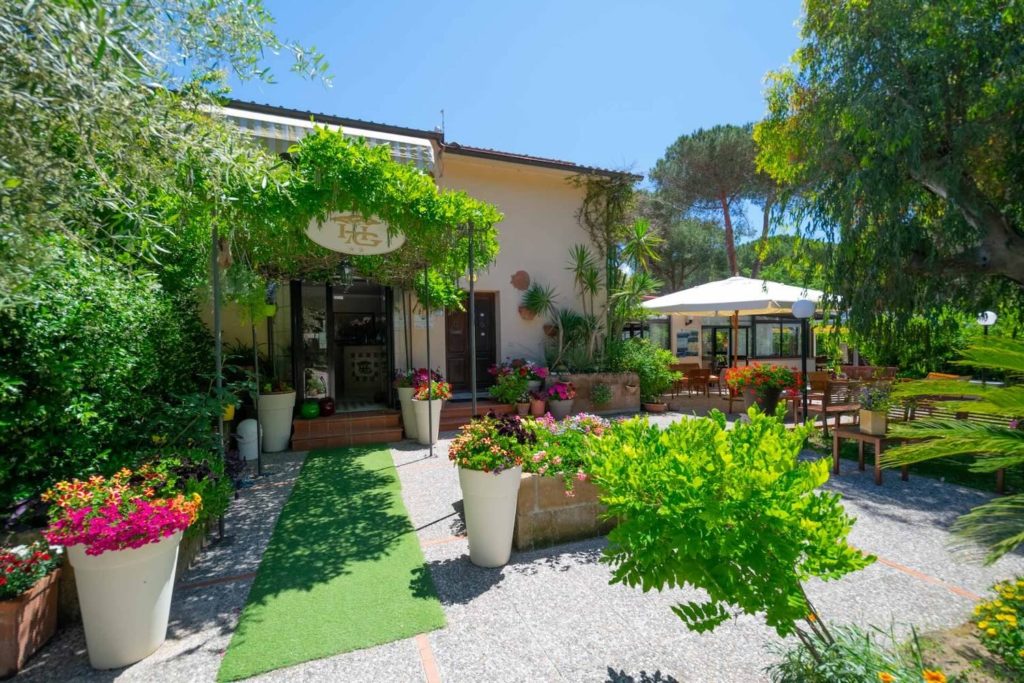
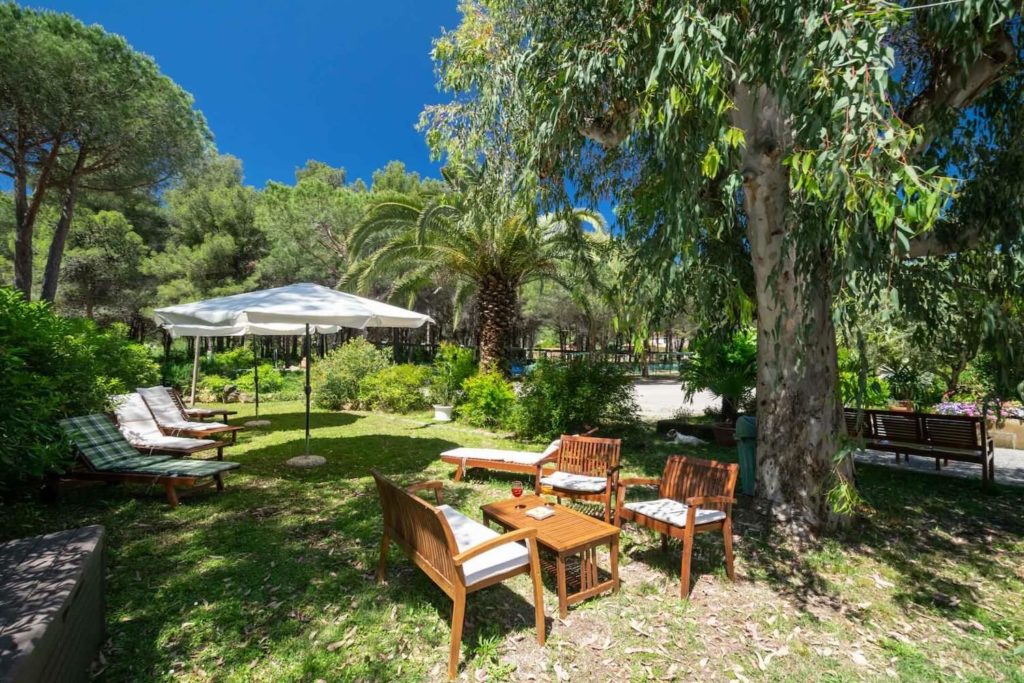
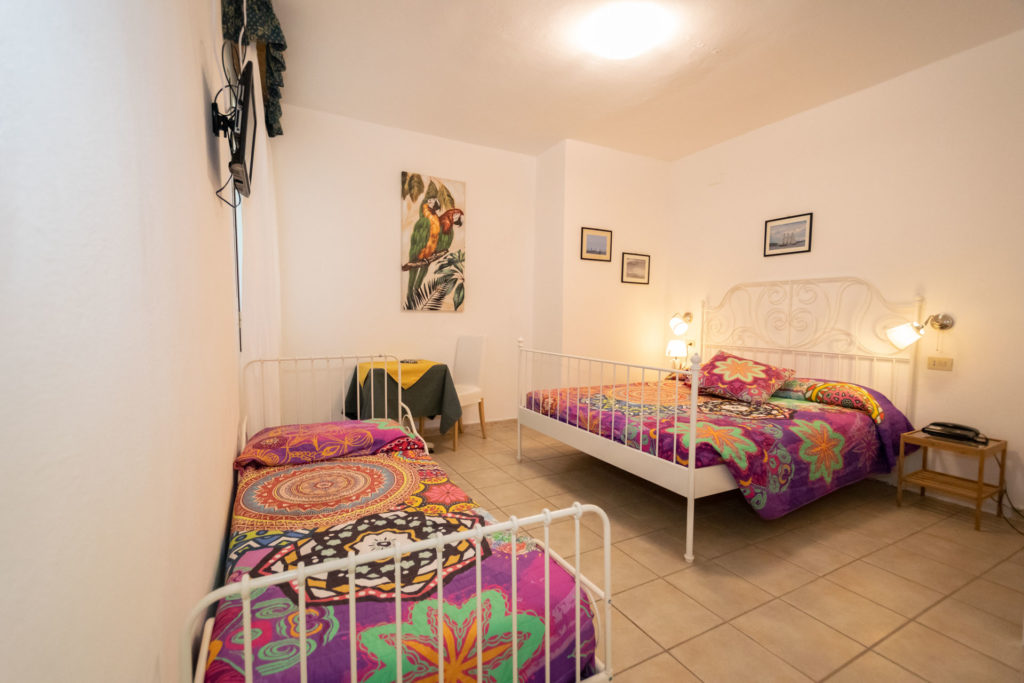
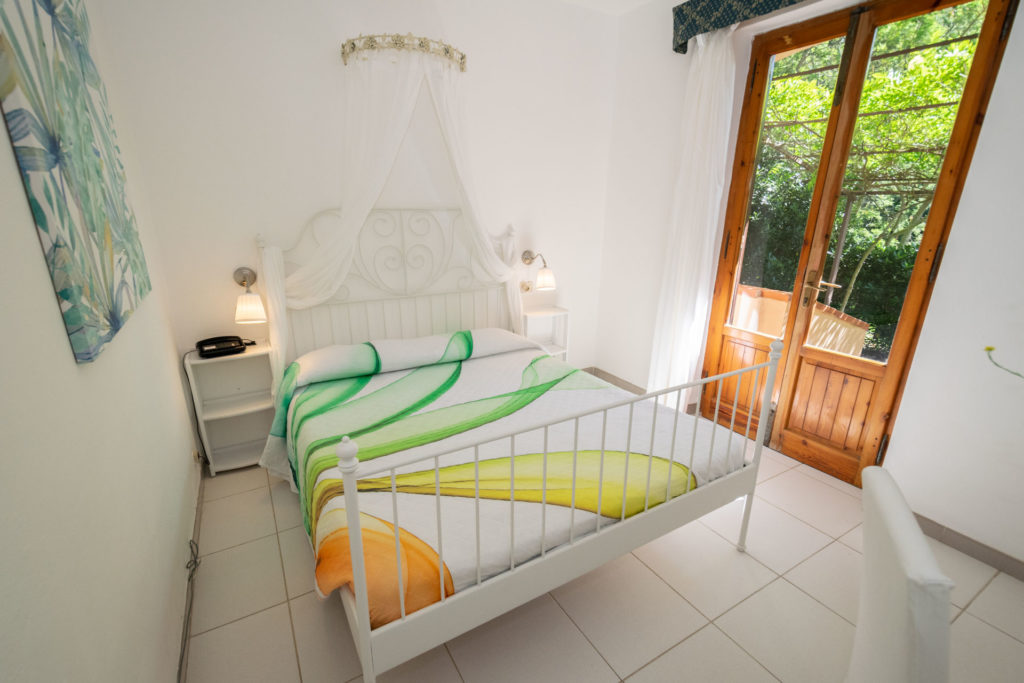
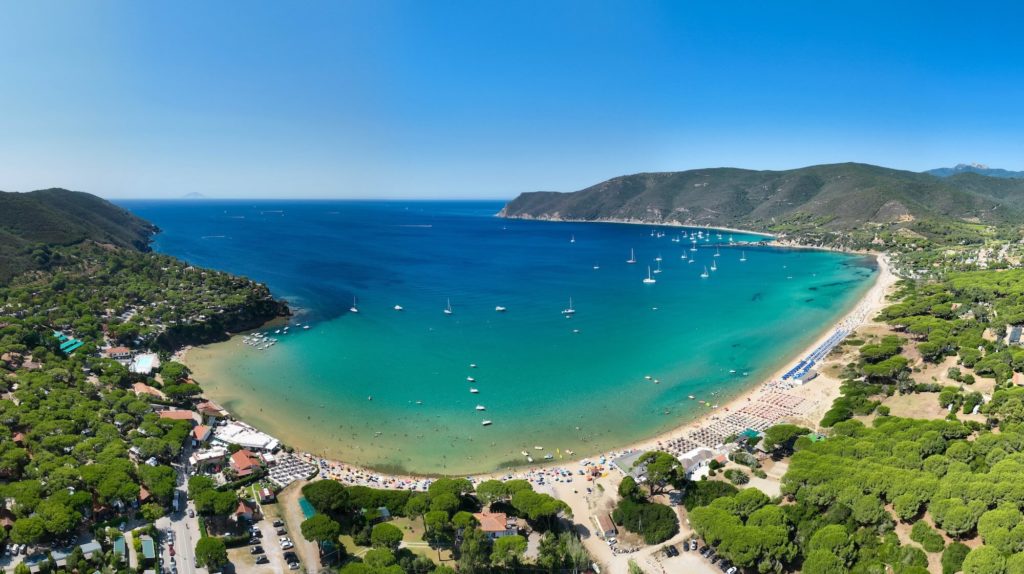
We are the staff of Hotel Giardino, a family‑run hotel immersed in a 30 000 m² park in Lacona on the south‑eastern coast of Elba . Every day we live among the scents of the Mediterranean scrub and are surrounded by breathtaking panoramas . Thanks to our central position—very close to the golden beach of Lacona and strategically located midway between the island’s main towns—we can accompany our guests to the most scenic viewpoints on Elba in just a few minutes by car or through walking and cycling excursions . In this comprehensive guide we want to share our knowledge and passion so you can fall in love with Elban landscapes .
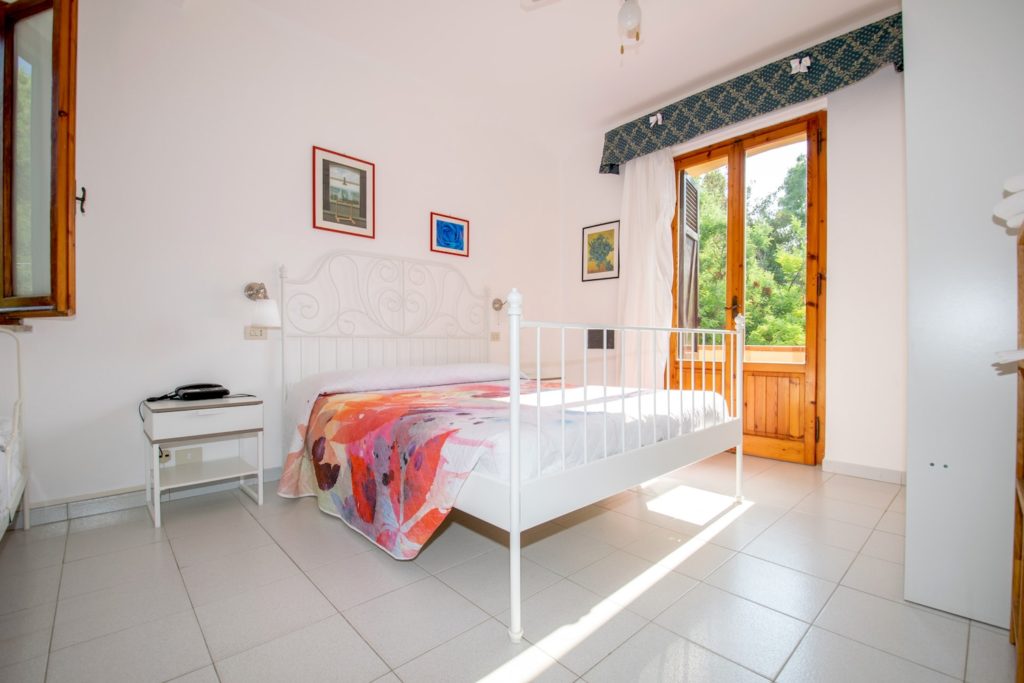
Our mission is to make you feel at home, offering simple and comfortable rooms with private bathrooms, air conditioning and TV, homemade cuisine with buffet breakfast and meat and fish specialities, and all the services useful for exploring the island: free Wi‑Fi, a large private car park, bicycle storage, agreements with diving centres for snorkelling, discounted ferry tickets and, above all, practical advice on the best itineraries . Our pine‑rich park and shaded terraces will allow you to relax after a day of explorations, while children can play in a safe environment .
Over the years we have collected frequently asked questions from our guests. In this guide you will find dozens of questions and answers to help you plan your holiday, summary tables of scenic spots and practical tips for photographers . Above all, we want to show you the secrets and hidden landscapes of Elba—from mountain peaks to white beaches, from medieval villages to abandoned mines—explaining how to reach them and when to visit for the best light .
Curiosity: our hotel is less than 100 m from Lacona beach; in the morning you can take a short walk to shoot photos of the flowering dunes in golden light and then return for a hearty breakfast .
Why choose Hotel Giardino as a base for exploring Elba?
- Strategic position: Lacona is almost at the island’s centre. From here you can reach Marina di Campo, Capoliveri, Porto Azzurro and Portoferraio in 10–15 minutes by car . The small roads through the vineyards lead you to hilltop villages. This centrality allows you to visit a scenic point in the morning, spend the afternoon on the beach and reach a village for dinner .
- Natural environment and tranquillity: The hotel is immersed in a pine forest and surrounded by a large park; you will find peace and coolness even on the hottest summer days . Rooms have direct access to the garden or private terraces, so you can rest outdoors .
- Services for explorers and photographers: We offer bicycle and equipment storage, shuttles and contacts with hiking guides, discounted ferry tickets, Wi‑Fi and free parking . You can ask us for information on trails, weather conditions and the best times to shoot .
- Personalised advice: We have lived here all our lives; we know every trail and viewpoint. We enjoy telling stories about places and suggesting itineraries off the beaten track .
- Home cooking: After a long day of exploring you can enjoy dinner with typical dishes, outdoor barbecues and homemade desserts. Our buffet breakfasts include seasonal fruit, cakes, jams and local products .
FAQs about Hotel Giardino
| Question | Answer |
|---|---|
| What time can we check in? | Check‑in generally starts from 15:00. If you arrive earlier you can drop off your bags and relax in the garden or go to the beach . |
| Does the hotel have parking? | Yes, a large on‑site car park is available free of charge. Each room has a dedicated parking space . |
| Are pets allowed? | We welcome dogs and cats. Please let us know when booking so we can organise spaces . |
| Is there Wi‑Fi? | Yes, Wi‑Fi is free and covers all rooms and common areas . |
| What photographic services do you offer? | We provide personalised advice, maps of trails, secure equipment storage, and arrangements with guides for sunrise and sunset excursions . |
What makes Lacona special?
Lacona is one of the few places on Elba with a long sandy beach surrounded by dunes and Mediterranean vegetation . From our hotel you can reach the beach on foot; you can walk along the shore and photograph the colours of dawn. Nearby there are secluded beaches like Laconella and Margidore, panoramic cliffs such as Capo di Stella and the wooded Monte Tambone . Lacona is therefore a microcosm that contains beaches, hills and viewpoints within a few kilometres .
Photography tip: climb to Capo di Stella at sunrise or sunset; from the tip of the promontory you have a 360° view of the Gulf of Lacona and Gulf Stella, perfect for panoramic shots .
Mountain viewpoints: the magic of Elba’s peaks
The island’s granite mountains offer 360° panoramas that embrace the sea and the islands of the Tuscan Archipelago. From our hotel you can easily reach the trails leading to the summits . For each mountain we provide a description, questions and answers and practical suggestions.
Monte Capanne – the roof of Elba
Description: At 1 019 m Monte Capanne is the highest peak on the island . On clear days you can see Corsica, Pianosa, Montecristo, Capraia and even the Tuscan Riviera . You can climb on foot from Poggio or Marciana along ancient trails through chestnut woods or take the panoramic cable car from Marciana which reaches the top in about 15 minutes . From the summit a natural balcony offers a 360° panorama; wind and variable light allow always different shots . It is advisable to arrive at dawn or sunset to exploit the low light. During summer the cable car closes in the evening, so check the timetable .
Why it is special: The breadth of the view and the variety of landscapes—from the western coastal woods to the inland valleys—offer endless photographic possibilities . The granite rocks and twisted junipers make interesting compositions .
Q&A about Monte Capanne
- How do you reach the summit? – The quickest way is the cable car from Marciana. Alternatively, hike up along path 101 from Marciana or path 104 from Poggio, both offering challenging elevation gain but progressive panoramas .
- What is the best season? – Spring offers clear skies and blooms; autumn provides warm colours and excellent visibility. Avoid windy days when the cable car may be closed .
- What equipment should I bring? – A wide‑angle lens to capture the panorama, a telephoto lens to isolate details (islands on the horizon) and a woollen thread (or other protective gear) to shield the camera from wind .
- Can you hike at sunset? – Yes, but if you plan to descend on foot bring a headlamp because the trails re‑enter the woods .
Staff tip: After admiring the view from the summit, stop for a picnic with sandwiches prepared by our kitchen. Remember to bring all rubbish back .
Monte Tambone – Lacona’s sentinel
Description: Monte Tambone (378 m) overlooks the Lacona plain. From our hotel you can reach the summit in about an hour by following a trail starting from the road to Capo di Stella . The ascent winds through rosemary, strawberry trees and broom. From the top there is a spectacular view of the Gulf of Lacona, Gulf Stella and the inland hills . It is an ideal place to photograph sunrise; the golden light illuminates the calm sea and empty beach .
Q&A about Monte Tambone
- How challenging is the hike? – The route has about 200 m of elevation gain and requires hiking shoes. In summer bring water and a hat .
- Can I go with children? – Yes, if they are used to walking; the climb is short but the terrain is rocky .
- Where to park? – Leave the car in the public car park near Lacona beach and start the climb on foot .
Monte Perone – Peak of a thousand hues
Description: Halfway between Marciana and Marina di Campo, Monte Perone (630 m) is a natural terrace facing south. It can be reached by car via a narrow panoramic road or on foot along various trails . From the summit car park you can walk to the Croce della Patera, a lookout over the gulf of Campo nell’Elba . The climb passes through cool chestnut woods and offers views of Sant’Ilario, San Piero and Monte Capanne . At sunset the orange light paints the granite rocks and the sea .
Q&A
- Is it worth going by car? – Yes, the road is narrow but well paved; along the way you will find picnic areas and panoramic spots .
- What other hikes can you do? – From Monte Perone trails lead to San Piero, Sant’Ilario and Pietra Murata, allowing you to create a loop .
- How to photograph it best? – Bring a tripod for long exposures at sunset and a telephoto lens to frame villages in the background .
Masso alla Quata (Pietra Murata) – Between history and panorama
Description: Also known as Pietra Murata, this enormous granite rock has been used since prehistoric times as a shelter and observation point . Reachable via trails from Monte Perone or San Piero, Pietra Murata offers a breathtaking view of the southern coast, Corsica and the smaller islands . Traces of ancient sheepfolds and remains of prehistoric buildings add a mystical touch .
Q&A
- Why is it called Pietra Murata? – The name comes from the dry‑stone walls closing the rock’s natural cavity to create a shelter used by shepherds .
- How long does it take to get there? – About 45 minutes of walking from Monte Perone; about 1 hour from San Piero .
- What should I bring? – Trekking shoes, a torch to explore the cavity and water .
Semaforo di Capo alle Serre – Naval sentinel on the sea
Description: This old naval semaphore is located at 601 m on the headland between Chiessi and Pomonte. Built in 1888 by the Royal Navy to control navigation, today it is a fascinating ruin reachable on a hike from the village of Chiessi or from the road to Monte Perone . From the building, surrounded by shrubs and rocks, the view extends over the Piombino Channel, Corsica, Pianosa and Capraia. The best light is at sunset when the sun sets behind Corsica .
Q&A
- Is the trail signposted? – Yes, CAI trails are well marked; still bring a map .
- Do you need a guide? – No, but it is recommended if you want to learn about the site’s military history .
- Can you climb the tower? – Access inside the structure is not recommended because it is dangerous; enjoy the panorama from outside .
Fortresses and towers: history dominating the views
Elba was contested by Etruscans, Romans, Pisans, Medici, Spaniards and French. Its strategic position in the Tyrrhenian Sea led to the construction of castles, towers and fortresses, many of which offer spectacular views .
Castello del Volterraio – Guardian of the hinterland
Description: Sitting 395 m up on a sheer cliff, Volterraio Castle is the oldest fortress on Elba. Its origins probably date back to the Etruscans; later the Pisans and the Medici expanded it . Legend says it was never conquered by Turkish pirates . From here you dominate the Gulf of Portoferraio, Monte Capanne, Pianosa, Capraia and Corsica . The access path starts from Rio nell’Elba; the final section is steep but well maintained . Entry is regulated: you can visit only with guides and reservation .
Q&A
- Do you need to book the visit? – Yes, the municipality organises guided tours including historical explanations and access to the bastions .
- When is the best time to photograph? – Sunset is magical: golden light illuminates the walls and the sea panorama .
- Are there facilities? – There are no toilets; bring water and food and carry your rubbish away .
Forte Falcone – Portoferraio’s terrace
Description: Forte Falcone is the highest of the Medici fortresses protecting Portoferraio. Built in the 16th century by Cosimo I de’ Medici, it dominates the docks and the city’s rooftops . From the western bastion you can photograph the crowded port, the Stella and Linguella fortresses and the northern coast . In the evening, when the city lights come on, fascinating contrasts are created .
Q&A
- How much is the entrance fee? – The ticket includes visits to the three Medici fortresses of Portoferraio. There are discounts for families and children .
- Are there events? – In summer there are open‑air theatre performances and concerts .
- Photography tip? – Use the loopholes and windows of the bastion as natural frames for your photos .
Torre di San Giovanni – Sentinel of the granites
Description: The Tower of San Giovanni, on a hill between San Piero and Sant’Ilario, is a medieval watchtower built on a granite hilltop . From its summit the view embraces the plain of Marina di Campo, Monte Capanne and the southern coast . Next to it are the remains of the Romanesque church of San Giovanni, testimony to the old monastery .
Q&A
- How do you reach it? – Via a short detour from the road leading to Monte Perone .
- Is it accessible inside? – The tower is not open, but you can climb the base to take panoramic photos .
- Why is it interesting to photograph? – The church columns and granite blocks offer ideas for compositions combining architecture and nature .
Mulino del Moncione – History and panorama
Description: Near Sant’Ilario, this old windmill overlooks the valley of Marina di Campo. Restored, it retains its original structure and offers a circular panorama of sea and mountains . It can be reached via a walk through Mediterranean scrub and cork trees.
Q&A
- Is it open to the public? – Guided visits or cultural events are sometimes organised .
- Why is it photogenic? – The white structure of the mill stands out against the blue sky, and the view ranges from the Gulf of Campo to Monte Capanne .
Villages and towns: photographs of history and colour
Elba is dotted with hilltop villages and colourful harbours that offer evocative glimpses. Each town has a story to tell and a particular light; we invite you to visit them at less crowded times, such as early morning or evening .
Marciana – Ancient mountain village
Description: Perched at 375 m on the western slope, Marciana is one of the island’s oldest villages. Founded by the Appiani in the Middle Ages, it preserves a mighty fortress, cobbled streets, arches and stairways . Trails to Monte Capanne and the Santuario della Madonna del Monte start from here . Every alley offers picturesque views with clotheslines, flowers and wrought‑iron balconies .
Q&A
- What is the main monument? – The Pisan fortress, built in the 12th century to defend the population from pirate raids, now hosts cultural events .
- Where to admire the panorama? – From the terrace near the fortress you can see Marciana Marina, the Corsica Channel and the Capanne massif .
- Photography tips? – Shoot during the golden hour in the afternoon; the streets glow with golden reflections and the shadows add depth .
Marciana Marina – Harbour of colourful boats
Description: Situated below Marciana, Marciana Marina is famous for the Medici tower that dominates the pier and for the seafront lined with palm trees . The old harbour hosts colourful fishing boats and offers perfect reflections on calm mornings . The town is small but elegant, with craft shops and restaurants .
Q&A
- Where to photograph the sunset? – Sit on the pier near the tower; you will see the sun set behind Monte Capanne and the boats turn orange .
- What to see nearby? – The Fenicia beach, full of polished pebbles, offers a splendid view of the northern coast; on clear days you can see the island of Gorgona .
- Events? – In summer the festival of the patron San Lorenzo features a boat parade and fireworks .
Capoliveri – Village of alleyways and mines
Description: Perched at 167 m on Monte Calamita, Capoliveri is a labyrinth of alleys called chiassi. The pastel‑coloured houses overlook lively little squares with cafes and shops . From the panoramic terraces you can see the Gulf Stella; the sunset from here is breathtaking . The mining tradition is recounted in the Museum of the Sea and in the abandoned mines of Monte Calamita .
Q&A
- What to do in the village? – Get lost in the chiassi, visit the Sanctuary of Madonna delle Grazie and taste schiaccia briaca, a typical sweet .
- Which events should not be missed? – The Legend of the Innamorata on 14 July with a torchlit procession on the beach and the Grape Festival in October with costumes and tastings .
- Is it far from the hotel? – About 10 km; you can reach Capoliveri in 15 minutes by car .
Portoferraio – The Medicean capital
Description: Portoferraio is the capital and main port of the island. Founded by the Medici in 1548, it is surrounded by three fortresses (Falcone, Stella and Linguella) that make it a true Renaissance jewel . The historic centre has colourful buildings, staircases, elegant squares and museums dedicated to Napoleon . From the pier you reach the Villa dei Mulini, Napoleon’s residence, and the fortresses. The seafront continuously offers views of sailing boats and ferries .
Q&A
- What is the most photogenic corner? – The steps of the Teatro dei Vigilanti lead to balconies with views of the Medici towers .
- When to visit? – The best light is at dusk; after sunset the fortresses light up and reflections in the harbour create romantic scenes .
- What to eat? – Try cacciucco (fish stew) in a trattoria on the harbour .
Porto Azzurro – The embrace of the square on the sea
Description: Formerly called Portolongone, Porto Azzurro overlooks a crescent‑shaped bay. Piazza Matteotti stretches towards the sea and is surrounded by cafés and gelaterias . A palm‑lined promenade runs along the fishing harbour. On the hill stands Forte San Giacomo (1602), built by the Spanish, now a prison . Nearby, on a rocky spur, stands the Sanctuary of Monserrato (1606) . The beaches of Barbarossa and Reale are a few minutes away, while the hinterland hosts abandoned mines and vineyards .
Q&A
- What makes the square unique? – It is the largest on the island; in the evening it comes alive with live music and craft markets .
- How to get to the sanctuary? – A 1 km path climbs among rocks; at the top you will have a sublime view of the bay .
- What events? – The festival of San Giacomo on 25 July and the procession to Monserrato on 8 September .
Marina di Campo – Sea and plain
Description: Marina di Campo is one of the liveliest and most touristy places on Elba. The town spreads around a fishing harbour and a 1.3 km sandy beach—the island’s longest . Behind it stand two hill villages, Sant’Ilario and San Piero, which preserve ancient churches and granite quarry traditions . The seafront and small harbour offer evocative glimpses, especially at dawn when boats return with their catch .
Q&A
- What to visit besides the beach? – The Marina di Campo Tower, the Mineralogical Museum of San Piero and the granite quarries .
- Where to photograph? – From the Moncione promontory or the village of Sant’Ilario, you can photograph the entire bay .
- Which nearby beaches? – Cavoli and Fetovaia are famous for the golden sand that doesn’t stick to your skin .
Rio Marina and Rio nell’Elba – Mining colours
Description: On the eastern slope are the twin municipalities of Rio Marina and Rio nell’Elba. Rio Marina was linked for centuries to the extraction of haematite and pyrite; open‑pit mines still colour the landscape red and orange . The harbour has a rugged charm with fishing boats and two‑tone houses . Rio nell’Elba, perched on a hill, has narrow alleys, historic fountains and the Mineral Museum . Nearby, Laghetto delle Conche, a reddish lake formed in a limonite mine, provides surprising shots .
Q&A
- How to visit the mines? – You can join guided tours in the Mining Park; some areas are accessible only with an escort .
- Why is Laghetto delle Conche red? – The colour comes from iron minerals (limonite, haematite) dissolving in the water, creating reflections from red to purple .
- When is the best time? – Afternoon light enhances the colours of the mineral deposits; bring a polarising filter .
Sant’Ilario and San Piero – Granite villages
Description: These two small villages lie above Marina di Campo, perched on the buttresses of Monte Capanne. Sant’Ilario retains a medieval atmosphere with cobbled streets, stone arches and a panoramic square . San Piero is famous for its granite quarries and the Church of San Nicolò . Nearby are the Capanna di Marco—a shepherd’s refuge built inside a tafoni grotto with an animal courtyard—and the megalithic monoliths of Sassi Ritti .
Q&A
- Why visit Sant’Ilario? – It is an authentic village with a view over Marina di Campo; its flower‑lined alleys are perfect for romantic photos .
- What is the Capanna di Marco? – A pastoral refuge built by closing a granite cavity with dry‑stone walls; it bears witness to Elba’s rural life .
- What are the Sassi Ritti? – Menhirs aligned north–south, perhaps linked to solar rituals .
Scenic beaches: sand, pebbles and clear waters
Elba is famous for its varied beaches, ranging from wide expanses of sand to small coves of white pebbles. Besides offering relaxation and swims, many beaches are perfect for photography; orientation and morphology determine the best times to shoot .
Sansone and the White Coast
Description: Near Portoferraio, Sansone beach is a crescent of white pebbles and crystal‑clear water . The surrounding limestone cliffs reflect the light creating turquoise tones . Reachable via a path from Sorgente beach, it offers spectacular panoramas from various angles .
Photography tips and Q&A
- When to go? – Early morning the sun lights up the beach; in the afternoon the sea becomes darker .
- Is it crowded? – In high season, yes; we recommend visiting in low season or at the end of the day for crowd‑free photos .
- What to bring? – Water shoes for walking on pebbles and a mask to capture the seabed .
Padulella and Capo Bianco
Padulella, near Sansone, is also a white‑pebble beach with emerald water . The Capo Bianco promontory north of Portoferraio offers viewpoints with white cliffs plunging into the sea. From here you can photograph the entire coast and the city; the best light is in the morning .
Fetovaia and Cavoli – The exotic south
The beaches of Fetovaia and Cavoli, in the territory of Campo nell’Elba, are famous for the fine golden sand that doesn’t stick to your skin . Fetovaia is set between maquis‑covered headlands; Cavoli, more lively, is popular with young people . The surrounding headlands are perfect for shooting from above .
Q&A
- What is the difference between the two? – Fetovaia is more sheltered and compact, with clear water and green promontories; Cavoli is longer, with services and bars .
- When to photograph? – South‑facing beaches are beautiful at midday when the light penetrates the water, but sunsets behind the headlands create strong contrasts .
Innamorata – Legend and sunset
Innamorata beach takes its name from a romantic legend. It lies at the foot of Monte Calamita near Capoliveri. Dark rocks and clear water make it enchanting; in the evening the sun sets behind the Gulf Stella, giving intense colours . Every 14 July, during the Festa dell’Innamorata, torches illuminate the sea and costumed participants re‑enact the legend .
Q&A
- Is there parking? – Yes, paid .
- Is it suitable for families? – Yes, with a gently sloping seabed; bring a mask for snorkelling .
- What to photograph during the festival? – Torches lighting up the sea create evocative reflections; set a medium exposure time to capture the light trails .
Sant’Andrea – Sculpted granite rocks
On the north‑west coast, Sant’Andrea combines a sandy beach with smoothed granite rocks . The rock formations sculpted by sea and wind form natural pools and unique frames for photographs .
Q&A
- Is it easily accessible? – Yes, with nearby parking .
- What to photograph? – The cote piane, large granite slabs descending into the sea, and the light and shadow games created by the cracks .
Biodola and Scaglieri – The sweetness of the gulf
Biodola is one of the most famous bays for its golden sand and turquoise water; nearby Scaglieri is smaller but offers panoramic views . The cliffs on the sides offer viewpoints for shooting towards the beach and the sea .
Le Ghiaie – Marble and sea
The town beach of Le Ghiaie in Portoferraio is famous for its white pebbles dotted with grey spots . The marine reserve protects the seabed, ideal for snorkelling. At sunset, the city behind turns warm colours .
Laconella and Margidore – The treasures of Lacona
A few minutes from our hotel, Laconella is a small secluded bay with white sand and crystal water . The cliff on one side offers a viewpoint; from there you can frame the beach and the namesake islet . Margidore is a long dark‑pebble beach overlooking the Gulf Stella. It is perfect for those seeking tranquillity; afternoon light creates reflections on the sea .
Summary tables of the most beautiful viewpoints
Mountains and hills
| Place | Altitude | Panoramic features | Access | Recommended time |
|---|---|---|---|---|
| Monte Capanne | 1 019 m | 360° view of all the islands; granite rocks | Cable car from Marciana or trek | Dawn, sunset |
| Monte Tambone | 378 m | View over Lacona and Gulf Stella | Trail from Lacona | Dawn |
| Monte Perone | 630 m | View of Campo nell’Elba and Monte Capanne | Panoramic road or trails | Sunset |
| Pietra Murata | 427 m | Monolith with view of south island and Corsica | Trekking from San Piero or Perone | Morning |
| Capo alle Serre | 601 m | Old semaphore, view of Corsica and Capraia | Trails from Chiessi or Pomonte | Sunset |
Fortresses and towers
| Structure | Era | Panorama | Tip |
|---|---|---|---|
| Volterraio Castle | Etruscan‑Pisan | Gulf of Portoferraio, Capanne, Pianosa | Book visit, bring torch |
| Forte Falcone | 16th c. Medici | Portoferraio and north coast | Shoot through loopholes |
| Torre di San Giovanni | Medieval | Plain of Campo and Monte Capanne | Visit at sunset |
| Mulino del Moncione | 18th c. | 360° over Marina di Campo | Check opening times |
Villages
| Village | Altitude | Photographic spots | Unmissable event |
|---|---|---|---|
| Marciana | 375 m | Fortress, viewpoint over the marina | San Lorenzo festival (10 August) |
| Capoliveri | 167 m | Belvedere Cavatore, chiassi | Legend of the Innamorata (14 July) |
| Portoferraio | 0–50 m | Medici fortresses, harbour | Blue Night (summer concerts) |
| Porto Azzurro | 0–60 m | Piazza Matteotti, Forte San Giacomo | San Giacomo festival (25 July) |
| Marina di Campo | 0 m | Seafront, harbour, tower | San Gaetano festival (7 August) |
| Rio Marina | 0 m | Harbour, mines | Mining Festival |
| Sant’Ilario & San Piero | 200–230 m | Squares, granite quarries | Patronal feast |
Beaches
| Beach | Type | Characteristics | Ideal time |
|---|---|---|---|
| Sansone | White pebbles | Turquoise water, limestone cliffs | Morning |
| Padulella/Capo Bianco | White pebbles | White cliffs, view of Portoferraio | Morning |
| Fetovaia | Golden sand | Green promontories, crystal water | Midday |
| Cavoli | Golden sand | Long beach, lively atmosphere | Morning & afternoon |
| Innamorata | Sand & rocks | Romantic legend, sunset colours | Sunset |
| Sant’Andrea | Sand & granite | Sculpted rocks, natural pools | Afternoon |
| Biodola/Scaglieri | Golden sand | Large bay, services | All day |
| Le Ghiaie | White pebbles | Marine reserve, view of Portoferraio | Sunset |
| Laconella/Margidore | Sand & pebbles | Secluded coves near the hotel | Dawn & afternoon |
Itineraries and activities: experiencing the panorama
Elba isn’t just about static photography. Walking the trails, climbing a summit at dawn or sailing along the coast allows you to experience the views with all your senses . Below we propose some recommended itineraries and activities with frequently asked questions and tips.
Grande Anello Occidentale (Great Western Loop)
Description: A multi‑day trek encircling the island’s western massif, linking Marciana, Pomonte, Chiessi, San Piero and Sant’Ilario . The route alternates woods, panoramic ridges, villages and coastal stretches. It can be divided into daily stages and is suitable for trained hikers .
Q&A
- How long is it? – About 50 km .
- Is it signposted? – Yes, follow CAI trails; bring a map and GPS .
- Where to sleep? – You can base yourself at our hotel for some stages and use buses or taxis to return to the starting point .
Capo d’Enfola and the Tuna Way
On the Enfola isthmus, north of Portoferraio, a loop trail runs around the headland to the former tuna station. You walk among broom, mastic trees and natural wind turbines, admiring the sea on both sides of the peninsula . At the end you find the ruins of the old tuna factory and panoramas over the Viticcio Gulf .
Q&A
- How long does it take? – About 1.5 hours .
- When to go? – Spring mornings bring intense scents; sunset offers warm colours .
Capoliveri mines and Monte Calamita
On the other side of the island, Monte Calamita hides a mining and natural heritage. The Ginevro mines routes allow you to visit tunnels and see old equipment . The hike is ideal to learn about miners’ history and photograph the contrasts between the blue sea and red slag heaps .
Q&A
- Do you need a guide? – Yes, for safety reasons; tours are organised by the mine museum .
- What to bring? – Helmet and lamp (provided), sturdy shoes, a camera with high ISO for shooting in the dark .
Kayak along the coast
To admire the island from a different perspective, you can rent a kayak in Lacona or Marina di Campo. Paddling along the coast lets you access hidden coves, sea caves and emergent rocks . Take photos from water level with a waterproof action camera; dawn is the best time to find calm seas .
Via Ferrata del Cielo – Panoramic adrenaline
On Monte Capanne there is a via ferrata enabling you to reach the summit by climbing metal ladders, traverses and bridges. It is an experience for experienced hikers with harness and helmet. During the ascent you will have a close view of granite walls and the infinite horizon .
Underwater photography
Elba offers sea floors rich in seagrass, gorgonian corals and marine fauna. Several diving centres offer courses and guided trips; bring underwater cameras and red filters to balance colours . The waters off Pomonte host the wreck of the merchant ship Elviscot a few metres deep; photos of this wreck surrounded by fish are spectacular .
Starry night – Astrophotography
Away from city lights Elba gives starry skies. The plateaus above Lacona, Monte Perone and the Santuario della Madonna del Monte are excellent spots to observe the Milky Way and photograph the stars . Bring a stable tripod, a fast wide‑angle lens (f/2.8 or faster) and a red torch to preserve night vision .
Best times for photography: hours, seasons and conditions
Light is the fundamental element for any photograph. On Elba, the position of beaches and the orientation of slopes greatly influence the colours. Here are some tips based on our experience and recommendations.
Hours of the day
- Dawn (05:00–07:00 in summer, 07:00–08:00 in winter): ideal for shooting from Capo di Stella, Monte Tambone and Laconella. The island awakens in silence, beaches are deserted and colours are delicate .
- Morning: perfect for north‑ or east‑facing beaches (Sansone, Padulella) because the light illuminates the water making it emerald .
- Midday: recommended only for south‑facing beaches like Cavoli or Fetovaia, when overhead light enhances the transparency of the sea .
- Afternoon: great for photographing hill villages, which light up with warm tones; west‑facing beaches like Innamorata start to colour .
- Sunset: the best places are Volterraio, Monte Calamita, Costa del Sole (Pomonte and Chiessi), Golfo del Viticcio and Le Ghiaie .
- Blue hour (after sunset): perfect for photographing illuminated ports and fortresses (Portoferraio, Marina di Campo) .
- Night: choose places far from lights; the Milky Way is visible above the sea in summer .
Seasons
- Spring: lush vegetation, blooms of cistus, broom and orchids; clear skies. Ideal for hiking and hill views .
- Summer: warm sea and long days; the light is intense but creates turquoise colours in the water. Avoid central hours when photographing villages (too many people and harsh light) .
- Autumn: warm colours in the woods and mild climate; perfect for climbing Monte Capanne with exceptional visibility .
- Winter: the island is almost deserted; the light is crisp and sunrises are spectacular. Some services are closed but the mountains offer intimate panoramas .
Weather conditions
Clouds can add drama; after a storm the beaches are empty and the air is clear . Marine haze on hot days softens the colours; use it for ethereal photographs . Check the sun’s position with apps like Photopills to plan your shots .
Recommended equipment for photographing Elba
Many guests ask us what type of camera and lenses to bring. Here is an overview of recommended equipment and their uses .
- Camera (DSLR/Mirrorless): for high‑quality photos, backlighting, detailed panoramas. Prefer APS‑C or full‑frame sensors for better dynamic range .
- Smartphone with a good camera: quick shots on the beach and in villages. Use RAW and HDR modes for better post‑production control .
- Wide‑angle lens (10–24 mm): 360° panoramas, interiors of fortresses, cliffs. Beware of distortion; keep the camera level .
- Medium/telephoto lens (50–200 mm): details of villages, isolating elements (boats, menhirs). Useful for photographing Corsica from Monte Capanne .
- Macro or close‑up: flowers, insects, rock textures. Spring and summer are the best seasons .
- ND and polarising filters: ND filters for long exposures of sea and clouds; polariser to eliminate reflections on water .
- Light tripod: photos at dawn, sunset and night. Essential for long exposures and group photos .
- Drone (licensed): aerial panoramas over beaches and mountains. Check regulations; flying over national parks and military zones is forbidden .
- Waterproof action camera: kayaking, snorkelling, underwater footage. Use mounts to avoid losing it in the water .
- Technical backpack: to protect equipment, food and water. Choose one with back support and rain cover .
Legal note: the use of drones in Italy requires compliance with ENAC regulations. Many areas of Elba are part of the National Park; takeoff is forbidden without permission .
Practical tips and rules of conduct
- Plan your movements: Elba’s roads are narrow and winding; allow extra time. Use the map provided at the hotel and download GPS tracks for trails .
- Check the weather forecast: Weather can change quickly in the mountains; always carry a rain jacket and an emergency blanket when hiking .
- Avoid peak hours: To enjoy the panoramas without crowds, start early or visit less famous places like Patresi, Pomonte and Poggio .
- Respect the environment: Do not leave rubbish; do not pick flowers or stones. Elba is part of the Tuscan Archipelago National Park; we must preserve it .
- Book guided tours: Some places (Volterraio, mines, Laghetto delle Conche) require booking .
- Tell a story: Don’t limit yourself to landscapes; include people or objects to give scale and narrate the experience .
- Back up photos: Bring enough memory cards and save your files to an external drive or cloud. Our hotel has Wi‑Fi for uploads .
- Savour the moment: Sometimes, after taking a photo, stop to contemplate. Photography is also a way of living in the present .
Local events and traditions to enrich your visit
Besides natural beauty, Elba offers a rich calendar of festivals and traditions that add colour and life to your photos :
- Legend of the Innamorata (Capoliveri, 14 July): costumed re‑enactment with torches on the beach .
- Grape Festival (Capoliveri, October): parades, tastings and games linked to the grape harvest .
- San Gaetano Festival (Marina di Campo, 7 August): procession at sea, fireworks and concerts .
- Procession of San Giacomo (Porto Azzurro, 25 July) and Madonna di Monserrato (8 September) .
- Kitesurf competition and Isola Musicale d’Europa music festival (late August) in Portoferraio .
Taking part in these events will let you capture unique scenes of traditions and folklore .
General questions about Elba Island
- How long does it take to visit the island? – We recommend at least a week to explore the main sights without haste. With more time you can discover less frequented trails and enjoy beach days .
- What is the best way to get around? – Car or motorbike are ideal for reaching different areas quickly . In high season you can use bus services, but check timetables. E‑bikes are a valid alternative for hilly routes without effort and respecting the environment .
- Are there mosquitoes? – Yes, especially in wet areas and in summer. Bring repellent and choose rooms with mosquito nets (ours are equipped) .
- Where to shop? – Every town has supermarkets and shops; we will point out the best places to buy local products such as honey, jams and Aleatico wine .
- Which typical dishes to taste? – Besides cacciucco, try sburrita (salt‑cod soup), panzanella elbana, gurguglione (ratatouille) and unsalted bread; for dessert, schiaccia briaca and corollo .
Conclusion: your panoramic adventure begins at the Giardino
We hope this guide has provided a comprehensive and passionate overview of Elba Island. We have created a journey through mountains, villages, beaches, mines and fortresses, always with an eye toward seeking light and beauty .
At Hotel Giardino we are ready to welcome you and share our experience to make your stay unforgettable. Whether you are professional photographers, trekking enthusiasts, families or travellers in search of relaxation, you will find in Elba and our hotel the perfect combination of hospitality, nature and spectacular panoramas . We look forward to showing you the places we love and discovering new views that we have not yet captured.