

P.S. For updated services and prices, please contact the individual business directly.
Introduction
Welcome to our comprehensive guide to kayaking and stand‑up paddleboarding (SUP) on the Island of Elba. Written by the staff of Hotel Giardino – a welcoming, family‑run hotel set in the pinewood of Lacona – it aims to share everything you need for an unforgettable sea adventure while enjoying the island’s hospitality . We want to offer an authentic, personalised experience because Elba deserves to be discovered slowly, paddle after paddle .
Why choose Hotel Giardino as a base for exploring Elba
A strategic position and family atmosphere
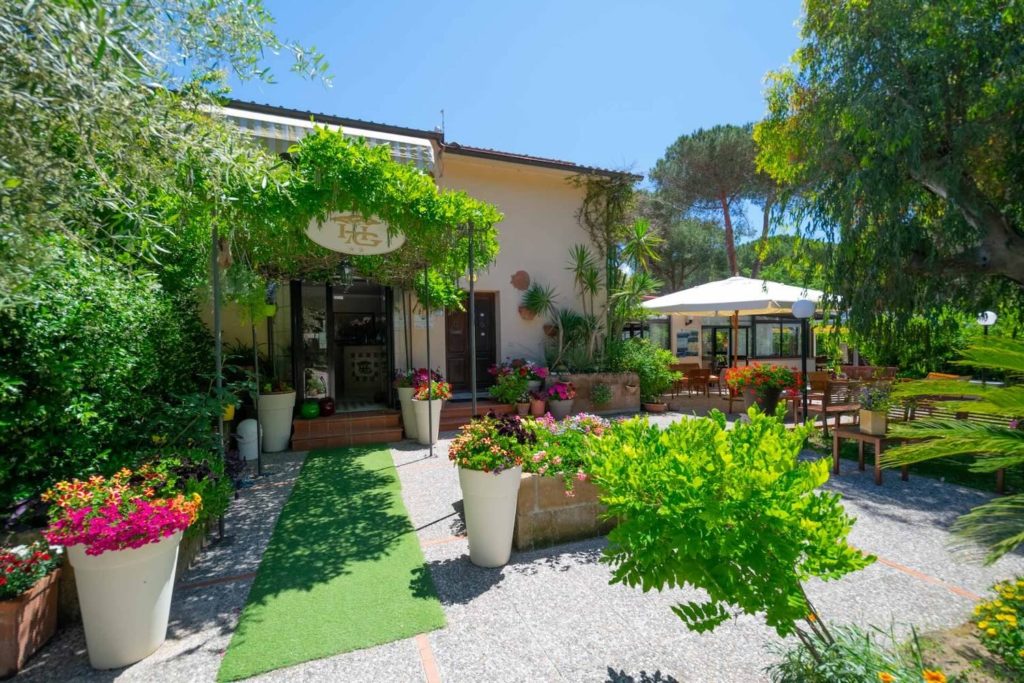
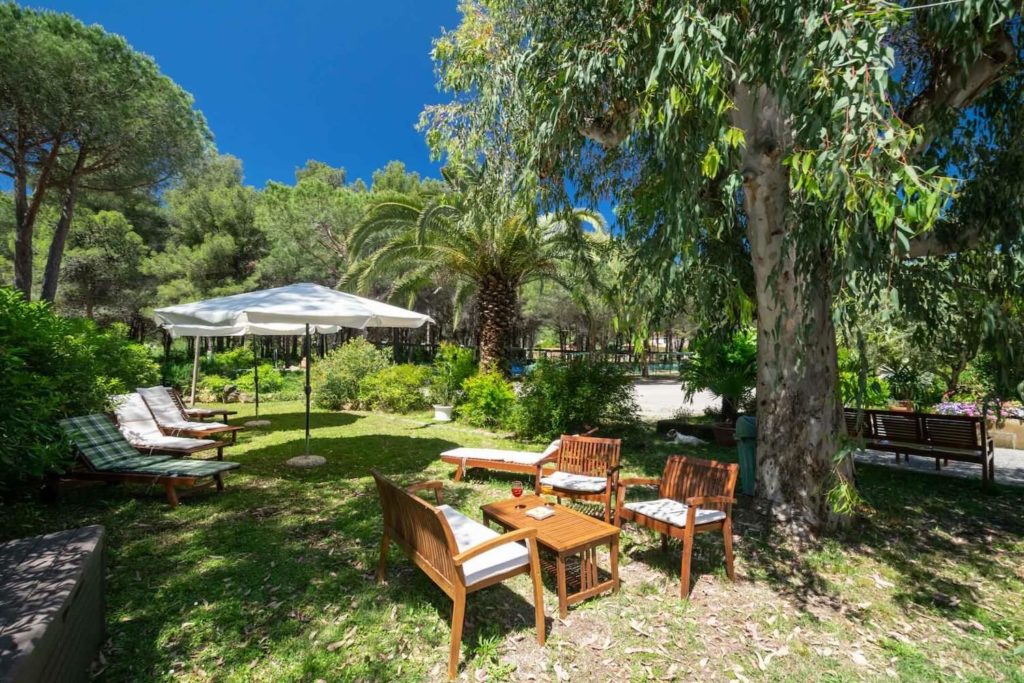
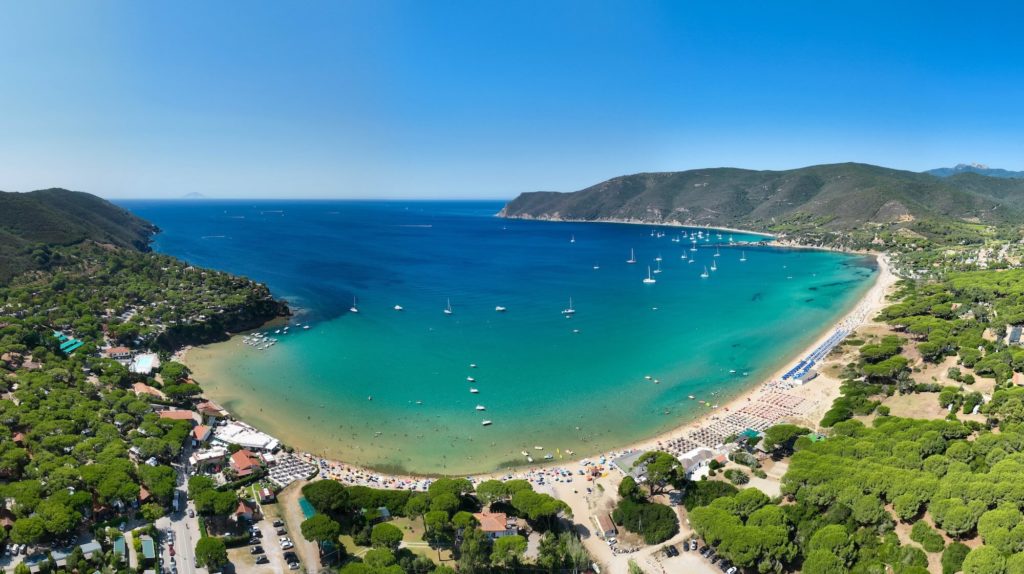
Hotel Giardino lies at the heart of the Gulf of Lacona, a few steps from the sandy beach and surrounded by a 30 000 m² pine forest. This strategic location allows you to explore the whole island easily – the main villages and secluded coves can be reached within about fifteen minutes by car . Among its strengths are :
- Family‑run hospitality – the hotel has been run by the same family for generations. Breakfasts and meals feature quality ingredients and simple but tasty cuisine; special dietary needs are accommodated .
- Natural setting – the property is immersed in a lush pine forest less than 100 m from Lacona’s sandy beach. The park includes play areas, table‑tennis and table‑football .
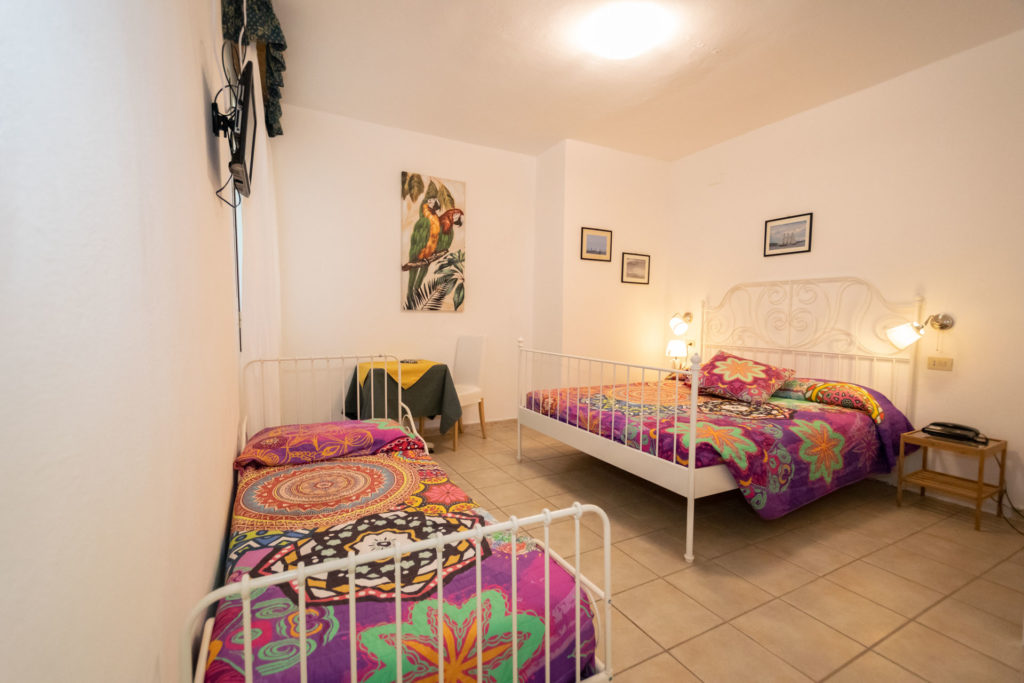
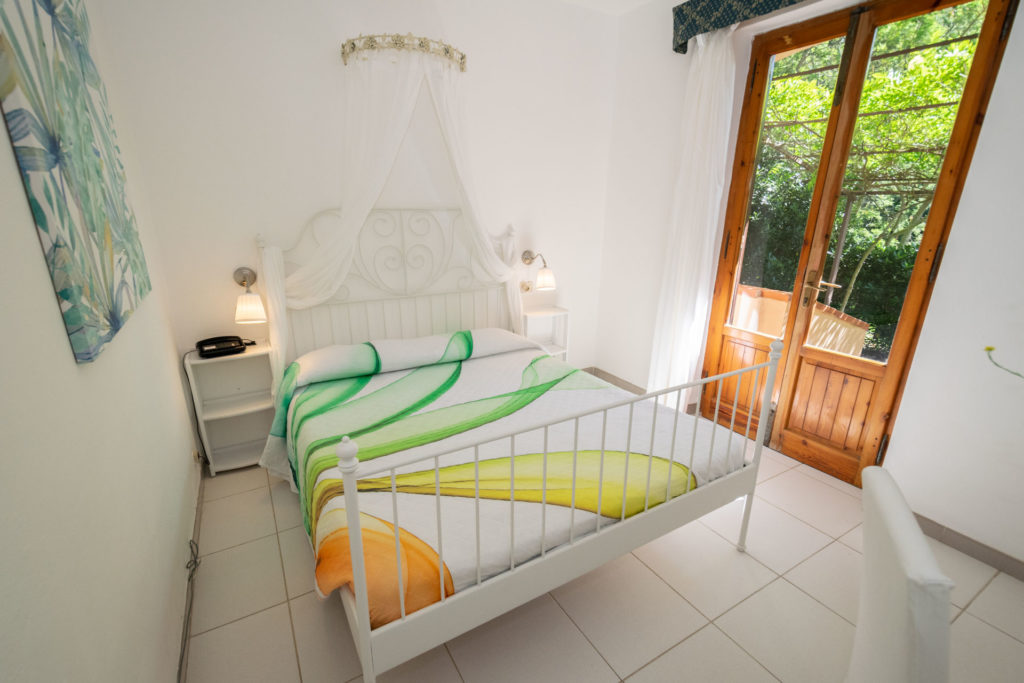
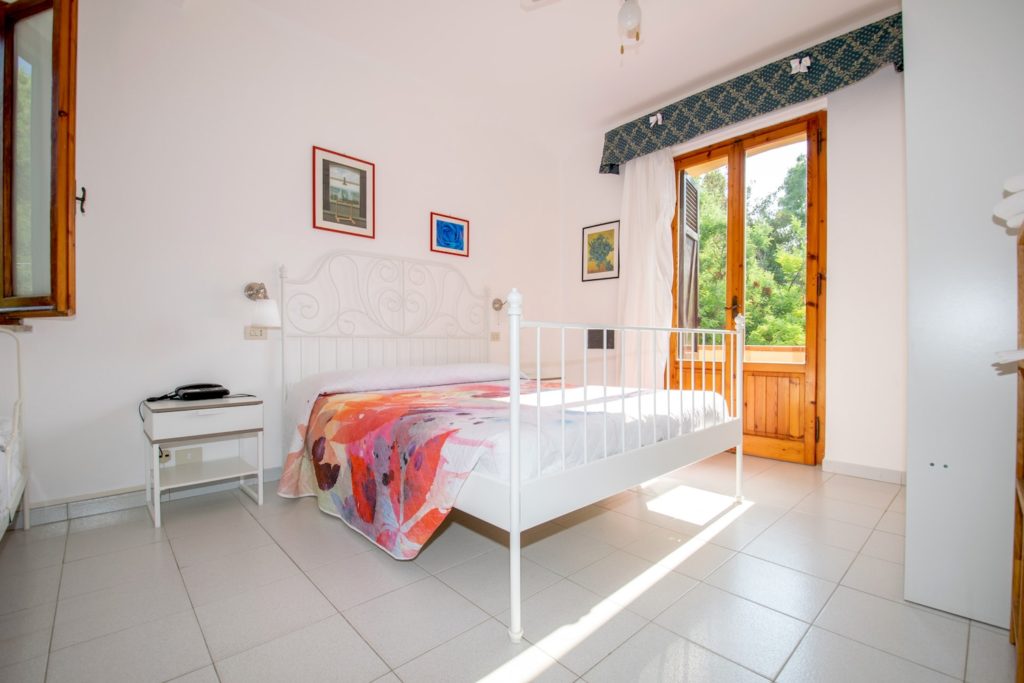
- Comfortable rooms – rooms are spread across three buildings and include private bathroom, satellite TV, telephone, safe, mini‑fridge, air‑conditioning and either a balcony or patio. Many have direct access to the garden or views over the pinewood .
- Included services – free Wi‑Fi in communal areas, covered parking for each room, bicycle hire and storage for sports equipment. Pets are welcome on request and the staff can assist with discounted ferry tickets .
- Central base for excursions – from Lacona you can quickly reach Capoliveri, Porto Azzurro, Marina di Campo and Portoferraio, as well as numerous trekking and MTB trails, making it an ideal base for exploring both by land and sea .
Elba’s nature, climate and biodiversity
Elba is the third largest Italian island (223.5 km²) and forms part of the Tuscan Archipelago National Park. Its position between the mainland and Corsica creates a mosaic of landscapes: romantic fishing villages, hilltop towns, ancient castles, green valleys and enchanting gulfs alternate with paradise beaches and multicoloured coves . The coastline extends about 147 km; the island measures 27 km west–east and 18 km north–south and is dominated by the granite massif of Monte Capanne (1 019 m), which offers 360 ° views of the sea and neighbouring islands .
Vegetation and wildlife
The vegetation is mainly Mediterranean scrub in various forms. Holm‑oak woods dominate, alongside cork oaks, heathers, lentisc and strawberry trees. Higher ridges host chestnuts, yews and hornbeams, while shady valleys shelter ferns . Endemic plants include the Monte Capanne cornflower and Elba saffron . Fauna includes feral goats, mouflon, wild boar, martens, hares and dormice, together with many reptiles and amphibians . Elba is also known for its variety of butterflies; the Butterfly Sanctuary on Monte Perone houses over 50 species, including endemics .
Climate
Elba enjoys a mild, typically Mediterranean climate. Prolonged sunshine and the mountains’ protection ensure temperate winters and warm but breezy summers. These conditions mean outdoor activities and water sports can be enjoyed for much of the year. Autumn and spring are ideal for kayaking and SUP thanks to pleasant temperatures and fewer visitors .
Why go kayaking or paddleboarding on Elba?
Elba’s appeal also lies in its varied, jagged coastline. Cliffs hide sea caves, fine sandy beaches alternate with pebble coves, and turquoise water allows you to observe seagrass meadows and marine fauna. Kayak and SUP are the best ways to discover these hidden treasures: you can reach unspoilt bays, caves accessible only from the sea and deserted stretches of coast where larger boats cannot venture . Paddling lets you explore every nook silently and respectfully .
Advantages of kayaking
- Close contact with nature – paddling along the coast lets you observe seabirds, fish and sea caves without disturbing the ecosystem .
- Full‑body workout – kayaking strengthens arms, shoulders and core while requiring balance and coordination .
- Freedom to explore – its small size allows you to pass under rock arches and enter caves that boats cannot reach .
Advantages of stand‑up paddleboarding (SUP)
- Easy to learn – SUP boards are wide and stable; after a few minutes of practice you can navigate autonomously, and it’s suitable for children .
- Versatility – you can explore coasts and coves, practise sunset yoga, fish or simply enjoy open water .
- Balanced exercise – paddling improves legs, abs and arms while enhancing posture and balance .
Safety and general advice
- Check weather and sea conditions – excursions should take place only when the sea is calm and weather stable; the proposed routes are recommended for experienced, well‑trained paddlers .
- Wear appropriate equipment – always take a life jacket, water shoes, hat, sunglasses, sunscreen, a towel and a change of clothes; kayaks need a paddle and, if using a closed kayak, a spraydeck .
- Bring water and snacks – many coves have no services, so stock up before leaving .
- Paddle in a group – it is preferable to paddle with others or rely on qualified guides. Most tours require participants to know how to swim and to be at least 14 years old .
- Respect the environment – avoid disturbing wildlife and do not pick protected plants such as the sea lilies on the Lacona dunes; follow park rules .
Recommended kayak itineraries
Elba offers routes for every level. Below are both long routes for experienced paddlers and shorter itineraries ideal for families and beginners. Summary tables indicate key characteristics; detailed descriptions highlight the natural wonders you’ll encounter along the way .
1. Marina di Campo – Lacona (16 km)
| Characteristic | Details |
|---|---|
| Start | Marina di Campo (Gulf of the same name) |
| Finish | Lacona beach |
| Length | ~16 km |
| Duration | 4–5 hours (depending on stops and conditions) |
| Coast type | Granite cliffs, sandy bays, caves and coves |
| Difficulty | Medium; recommended for those with experience and good endurance |
| Highlights | Porto Caccamo islet, fresh‑water cave, the granite column “Coralline,” gull colonies, beaches of Ripa Nera and Cala del Fico with alabaster crystals, seagrass meadows |
Route description: Starting from Marina di Campo, follow granite cliffs past the Porto Caccamo islet and the bays of Ischia. After the small fjords of Rota, continue towards the Gulf of Fonza and Priolo, where the white rock of Longio shines in the turquoise sea . Beyond Punta Mele and Scoglio della Triglia you encounter the beaches of Ripa Nera and Cala del Fico, with alabaster crystals embedded in the rock . A small cave with a fresh‑water spring offers a refreshing stop accessible only to kayaks. After passing the granite column known as Coralline, the landscape softens and becomes richer in fauna; near Cala dell’Inferno gull colonies and posidonia meadows abound . The last part leads to Lacona beach, ideal for a swim before returning.
2. Western Coast: Marina di Campo – Procchio (47 km)
| Characteristic | Details |
|---|---|
| Start | Marina di Campo |
| Finish | Procchio beach【848244111039632†L223-L244】 |
| Length | ~47 km |
| Duration | 8–10 hours (often divided into stages) |
| Coast type | Long traverse with cliffs, white beaches and picturesque villages |
| Difficulty | High; requires physical preparation, stage planning and optimal weather |
| Highlights | Grotta Azzurra, Cavoli beach, Seccheto, Fetovaia’s white sand, wild beaches of Le Tombe, Ogliera rock and Pomonte wreck, cliffs of Chiessi and Capo Sant’Andrea; possible dolphin sightings |
Route description: From the gulf of Marina di Campo paddle towards the Bue Marino and Vescovo caves then reach Capo Poro. The rocky coast hosts small pebble beaches and the crystal‑clear water of the Grotta Azzurra . Further along the route touches the gulf of Cavoli, the beach of Seccheto and the dazzling white Fetovaia – often likened to the Caribbean . Continuing along the western coast you pass the black beaches of Le Tombe and reach the Ogliera rock, where a famous submerged wreck lies . The journey continues under the cliffs of Chiessi and Punta Nera with views of Pianosa and Montecristo, and after Capo Sant’Andrea and the cliffs of Ortano you may spot whales and dolphins . The itinerary ends in the sandy bay of Procchio.
3. Enfola – Seccione (5 km)
| Characteristic | Details |
|---|---|
| Start | Enfola beach (former tuna fishery) |
| Finish | Cala Seccione |
| Length | ~5 km |
| Duration | 1–2 hours |
| Coast type | White cliffs and pebbles, crystal‑clear water |
| Difficulty | Low; suitable for beginners and families |
| Highlights | Natural arch between the white cliffs of Sansone, Sansone beach (white pebbles), Sorgente beach, nesting gulls and cormorants, coves of Acquaviva and Seccione |
Route description: From Enfola beach paddle along a jagged coast that allows you to approach rocks and inlets thanks to the kayak’s shallow draft. A natural arch marks the entrance to the bay of Sansone, famous for its white cliffs and turquoise water. After a stop at the tiny Sorgente beach with its milky‑coloured rocks, continue to the coves of Acquaviva and Seccione, ideal for swimming .
4. Short itineraries (Elba Life)
The Elba Life article proposes five short routes ideal for beginners or those wanting an outing of a couple of hours .
- 4.1 Cavoli – Grotta Azzurra / Palombaia – start from Cavoli beach (kayaks for rent); hug the transparent cove with many snorkelling spots; in ~15 minutes reach the Grotta Azzurra. More experienced paddlers can continue to Palombaia, known for its black rocks and clear water .
- 4.2 Fetovaia – Seccheto / Pomonte – start from Fetovaia beach; follow the right headland among emerald tones and secluded coves; continue to Pomonte where the Ogliera rock hosts a wreck accessible with mask and fins. Alternatively, go left towards Seccheto and stop in a natural turquoise pool .
- 4.3 Procchio – Spartaia – Paolina – start from Procchio beach (rentals available); paddle out of the gulf and reach Spartaia in about 15 minutes; continue for another 10 minutes to Paolina rock, famous for snorkelling .
- 4.4 Biodola – Scaglieri – Forno – Viticcio / Lamaia – Porticciolo – start from Biodola beach. Right route: go towards Scaglieri and Forno, tiny beaches with colourful houses and restaurants; the more trained can continue to the Gulf of Viticcio with cliffs and crystalline sea. Left route: paddle towards Cala della Lamaia and Porticciolo, two wild beaches accessible only on foot or by sea – ideal for snorkelling .
- 4.5 Le Ghiaie – Padulella – Capo Bianco – start from Le Ghiaie beach (Portoferraio); head to Cala dei Frati (accessible only by sea) and continue to Padulella, where small natural pools invite you to dive from your kayak; continue to Capo Bianco with its white cliff plunging into the sea .
5. Sunset kayaking and evening tours (Good Evening Tour)
In summer Sea Kayak Italy organises a “Good Evening Kayak Tour” starting at 17:30 from Marciana Marina and lasting about three hours. You paddle towards Paolina beach and little‑visited bays, with stops for a swim and aperitif. The tour is suitable for everyone; participants must be able to swim and the price includes equipment, professional guide and insurance .
6. Full‑day guided tours (Sea Kayak Italy)
Sea Kayak Italy runs a six‑hour day trip from mid‑June to mid‑September. Departing at 9 a.m. from Marciana Marina, the route heads west towards Cala di Sant’Andrea or east towards Paolina island. The package includes composite kayaks, paddles, life jackets and a professional guide. Participants must be able to swim, be at least 14 years old and bring reef shoes, swimsuit, water, hat, sunglasses, sunscreen and, ideally, a snorkelling mask .
7. Two‑day tour
For those seeking a more intense experience, Sea Kayak Italy organises a two‑day tour with overnight camping. The itinerary allows paddlers to circumnavigate long stretches of coast and live an immersive adventure .
Kayak and equipment rental
Besides guided tours, you can rent kayaks or SUPs to explore the island independently. Here are the main options :
| Provider | Equipment | Details / Requirements | Indicative prices |
|---|---|---|---|
| Sea Kayak Italy | Professional sit‑in kayaks (for experienced paddlers) | Requires level 2 or 3 certification; rental only in spring/autumn; kayaks must be returned to the starting point; includes paddle, PFD, spraydeck and map | €70/day (9–17), €100/24 h, €350/5–7 days |
| Elba Water Sports | Sit‑on‑top kayaks and SUPs | Long‑term rental (minimum two days for kayaks, three for SUPs); delivery to Marciana Marina, Procchio or Marina di Campo; ideal for exploring the coast and secluded beaches | Prices on request |
| Freedome – SUP tours | SUP boards with guide | 1.5‑hour tour from Marina di Campo (~€25/person) and 3‑hour tour to Capo d’Enfola with visits to Sansone beach and Scoglio della Nave (~€55/person); includes board, paddle, life jacket, guide and free cancellation | |
| Elba Water Sports – SUP excursions | Guided SUP tours | Customised or predefined excursions to reach hidden bays, cliffs and coves; ideal for combining sport, nature and culture | Prices on request |
Frequently asked questions about kayaking and SUP on Elba
- What is the best season? Spring (April–June) and autumn (September–October) offer ideal conditions: mild climate, generally calm sea and fewer tourists. In summer temperatures are higher and beaches busier, but you can join evening tours or choose less frequented routes; winter is more variable and excursions are advisable only for the experienced .
- Do I need experience for guided tours? Sea Kayak Italy requires participants to be able to swim and to meet minimum age requirements (14 years for the day tour). Some routes, like the Good Evening Tour, are classified as easy and suitable for beginners, while others require physical endurance. Renting professional kayaks from Sea Kayak Italy requires a level 2 or 3 certification .
- Can children join? Yes; children can participate as long as they know how to swim, wear a life jacket and are accompanied by an adult. SUP boards are particularly stable and suitable for youngsters; many centres offer smaller equipment .
- What should I bring on a trip? Wear swimwear, a synthetic T‑shirt or rash‑guard, hat, sunglasses with strap, reef shoes and sunscreen. Always bring at least one litre of water per person, energy snacks, a towel and a change of clothes. A waterproof smartphone case is useful for taking photos without damaging your device .
- Can I rent equipment for just a few hours? Elba Water Sports and Freedome offer short‑term rentals; Sea Kayak Italy rents only full‑day or longer periods . Check with rental centres for specific conditions.
- Where can I snorkel during a kayak trip? The waters of Sansone, Padulella, Capo Bianco, Cavoli, Fetovaia, Pomonte (with its wreck) and Sansone beach offer fish‑rich seagrass meadows. Many tours include snorkelling stops .
- What are the safety rules in the marine protection zone? The marine area around Portoferraio’s Scoglietto is a biological protection zone (established in 1971) between Punta Falcone and Capo Bianco. All fishing activities except shore angling are prohibited. Kayaking and snorkelling are allowed, but you must respect the bans to preserve marine fauna .
Attractions near Hotel Giardino
A kayaking or SUP holiday on Elba wouldn’t be complete without discovering the island’s historical and cultural sites. Lacona is well connected to the main towns, all reachable within 10–15 minutes by car . Below is an overview of the most interesting destinations.
Capoliveri – the village between vineyards and mines
Capoliveri sits on a hill 167 m above sea level at the foot of Monte Calmita. Once linked to agriculture and mining, it is now one of Elba’s most characteristic and lively centres. Its narrow vaulted streets, known as chiassi, hide craft shops and trattorias serving traditional dishes . The name may derive from Caput Liberum (“sacred to Bacchus,” symbol of vineyards) or from the geographic shape of the peninsula, “free” because it is surrounded by the sea . The village was fortified by the Pisans in the Middle Ages to defend against pirates; traces remain in the Church of San Michele . Nearby are the churches of Madonna delle Grazie and Madonna della Neve, the Monte Calmita mines and the Sea Museum . Summer events include the Legend of the Innamorata (14 July), the Miners’ Festival in May and the Grape Festival in October . Beaches range from quiet Morcone, Pareti and Innamorata to larger, serviced Lacona, Lido and Margidore . In summer a free bus connects peripheral car parks to the historic centre .
Q&A about Capoliveri
- How do I reach Capoliveri from Hotel Giardino? About 15 minutes by car via the provincial road; a bus also connects Lacona and Capoliveri .
- What are the main attractions? Besides the medieval centre, visit the Sea Museum, Monte Calmita mines, San Michele church and the historic neighbourhoods .
- Where to shop or taste wine? The town’s streets are full of craft shops and wine bars; don’t miss tasting Aleatico and Ansonica wines .
Porto Azzurro – the Spanish harbour town
Porto Azzurro on the east coast, formerly called Portolongone, changed its name in 1947 to sound more tourist‑friendly. Its social heart is Piazza Matteotti, one of the island’s largest and most beautiful squares . The historic centre contains imposing buildings, including Forte San Giacomo (built 1602) which protected the territory from pirates and later became a prison . Other sights include the churches of Madonna del Carmine and San Giacomo Maggiore and the Sanctuary of Madonna di Monserrato, erected on a rocky spur in 1606. Nearby beaches include La Pianotta (with clear water and fine gravel) and the neighbouring beaches of Barbarossa, Reale and Terranera . Many operators offer boat trips and snorkelling from the port. Summer events include the feast of San Giacomo (25 July) and the celebration of Madonna di Monserrato (8 September) .
Q&A about Porto Azzurro
- What is the main historical attraction? The 17th‑century Spanish fort, Forte San Giacomo .
- Which beaches are within walking distance? La Pianotta is adjacent to the port; Barbarossa, Reale and Terranera are close by .
- Where to stroll in the evening? The harbour promenade and Piazza Matteotti offer bars, gelaterias and shops. The Carmignani promenade is a panoramic coastal path .
Portoferraio – Medici fortifications and Napoleonic residences
Portoferraio is the capital and main port of Elba. Known as Fabricia in ancient times, it was refounded by Cosimo I de’ Medici in 1548 as Cosmopoli and endowed with powerful fortifications to defend against pirates . Today the city preserves three Medici forts – Falcone, Stella and Linguella – connected by massive walls designed by Renaissance architects . Portoferraio is famous for having hosted Napoleon Bonaparte during his exile (4 May 1814 – 26 February 1815); his town residence, Palazzina dei Mulini, is in the historic centre, while his summer residence Villa San Martino stands in the countryside . Museums include the Foresian Art Gallery in the De Laugier barracks and the Archaeological Museum in the salt warehouses of the Linguella; nearby are the remains of Roman villas . Natural attractions include numerous beaches: sandy Scaglieri and Forno, Bagnaia, Ottone, Le Viste, Viticcio and Le Ghiaie (mixed sand and pebbles) and the white‑pebble beaches of Capo Bianco and Seccione . The area between Punta Falcone and Capo Bianco is part of the Scoglietto marine protection zone .
Q&A about Portoferraio
- What makes Portoferraio unique? Its Medici fortifications, Napoleonic history and variety of beaches .
- Which museums should I visit? The Foresian Art Gallery, the Archaeological Museum and the Roman villas of Linguella and Le Grotte .
- Which beaches are best for kayaking/SUP? Le Ghiaie, Padulella and Capo Bianco lend themselves well to outings thanks to crystal‑clear water and nearby caves .
Campo nell’Elba (Marina di Campo) – between sea and hills
Campo nell’Elba occupies the island’s southern and flattest part, stretching from Lacona Bay to Pomonte. Its main town, Marina di Campo, was once a fishing village that used the wide sandy bay as a harbour. Today the beach is the island’s longest, with golden sand, a gently sloping seabed and a shady pinewood ideal for families . In the historic village stands a cylindrical Pisan tower (25 m high) built in the 16th century and now owned by the Navy . Nearby are sandy beaches like Fetovaia and Galenzana, pebble beaches like Colle Palombaia and Fonza, and mixed beaches like Cavoli and Seccheto . Inland lie the picturesque villages of Sant’Ilario and San Piero with Romanesque churches (Pieve di San Giovanni) and breathtaking views. On the road to Monte Perone you’ll find the Tower of San Giovanni and the Butterfly Sanctuary .
Q&A about Campo nell’Elba
- Where is the island’s longest beach? In Marina di Campo, nearly 2 km long .
- Which villages should I visit inland? Sant’Ilario and San Piero, with Romanesque churches and panoramic views .
- Which beaches are recommended for kayak/SUP? Galenzana, Fetovaia, Cavoli and Pomonte offer clear waters and cliffs perfect for paddling .
Lacona and the Gulf
Lacona is one of Elba’s most beautiful places. Its main beach, over 1 000 m long, has fine golden sand and shallow water safe for children . The south‑facing gulf is framed by Capo Stella to the east and Punta Contessa to the west, with a view towards Montecristo . The beach is divided into free areas and serviced sections with bars, restaurants, water‑sports schools, diving centres and mooring points . One of Lacona’s treasures is its sand dunes – the last of their kind in the Tuscan Archipelago – home to protected species such as sea lilies and orchids. The dunes are protected by the national park and visitors must respect the vegetation . From the main beach you can reach Margidore (pebbles and clear water) and Laconella, a small natural bay accessible on foot or by kayak .
Q&A about Lacona
- Why is Lacona beach special? It is one of Elba’s largest sandy beaches with shallow water and comprehensive services .
- What are the dunes? Sandy dunes hosting protected flora (sea lilies, daisies, orchids); they are the last dune area in the Archipelago Park .
- How can I reach Laconella? Either on foot via a trail or by kayak/SUP from Lacona beach .
Activities and services at Hotel Giardino
Our hotel aims to meet the needs of water‑sports enthusiasts. Services include :
- Equipment storage and washing area – covered spaces to store folding kayaks, inflatable SUPs and snorkelling gear, with a wash area to rinse equipment after use .
- Packed lunches – on request we prepare lunch boxes with sandwiches, fruit and snacks for day‑long outings .
- Excursion information point – our staff help book guided tours, rentals, boat trips or hikes; we work with Sea Kayak Italy, Elba Water Sports and other local operators .
- Flexible cuisine – we serve simple, genuine dishes and can prepare energy‑rich meals or vegetarian menus on request .
- Private parking and shuttle on request – each room has a parking place; we can arrange transfers to starting points for excursions .
Sporting events on the island
Elba hosts many sporting events each year to which Hotel Giardino offers discounts and special packages :
- Giro Podistico dell’Elba – a road running race that crosses several municipalities of the island .
- Capoliveri Legend Cup – a mountain‑bike race on Monte Calmita; our hotel is an excellent base .
- Elbaman Triathlon – a triathlon with swimming in Marina di Campo, cycling and running on the road; we offer services for athletes and secure bike storage .
Glossary of marine terms and tips for beginners
| Term | Meaning |
|---|---|
| Spraydeck | Waterproof cover used on sit‑in kayaks to prevent water entering the cockpit |
| PFD (Personal Flotation Device) | Certified life jacket, mandatory on guided excursions and recommended on all outings |
| Scia | The water wake left by a kayak; paddling in a companion’s wake saves energy |
| Trasparente | In the tables it denotes stretches of coast with crystal‑clear water where the seabed is easily visible |
| Inflatable SUP | Stand‑up paddleboard made of PVC, inflated with a pump; easy to transport and impact resistant |
| Mare mosso | Rough sea with high waves; not recommended for kayak/SUP |
| Macchia mediterranea | Typical coastal shrub vegetation composed of heather, broom, strawberry tree, myrtle and mastic |
Conclusion
We hope this guide has provided all the information you need to choose the Island of Elba for your kayaking or paddle‑surfing adventures. As the staff of Hotel Giardino, we are ready to welcome you with our family hospitality and support your excursions. Elba is a place where nature, history and culture blend into a unique mix: sheer cliffs, golden beaches, medieval villages and ancient mines . We look forward to helping you discover these treasures, one paddle stroke at a time.