

P.S. For updated services and prices, please contact the individual business directly.
Introduction
Elba is famous for its turquoise water and postcard‑worthy beaches, but it is also a small paradise for board sports. Located in the Tuscan Archipelago, the island is exposed to winds from all directions which, depending on the season, can generate surprisingly good waves and guarantee breezy days for planing across the water . Even in summer when other destinations are flat, the western coast between Capo Sant’Andrea, Pomonte and Chiessi is often refreshed by a thermal breeze . In autumn and winter, Scirocco, Libeccio and Maestrale storms transform certain bays into genuine surf spots .
This guide, prepared by the staff of Hotel Giardino in Lacona, helps you choose where to surf or windsurf, with advice on spots, schools and the best times to go. Whether you are a curious beginner or a seasoned rider, Elba will offer you wind, freedom and the magic of the Tuscan sea .
Hotel Giardino: the perfect base in Lacona
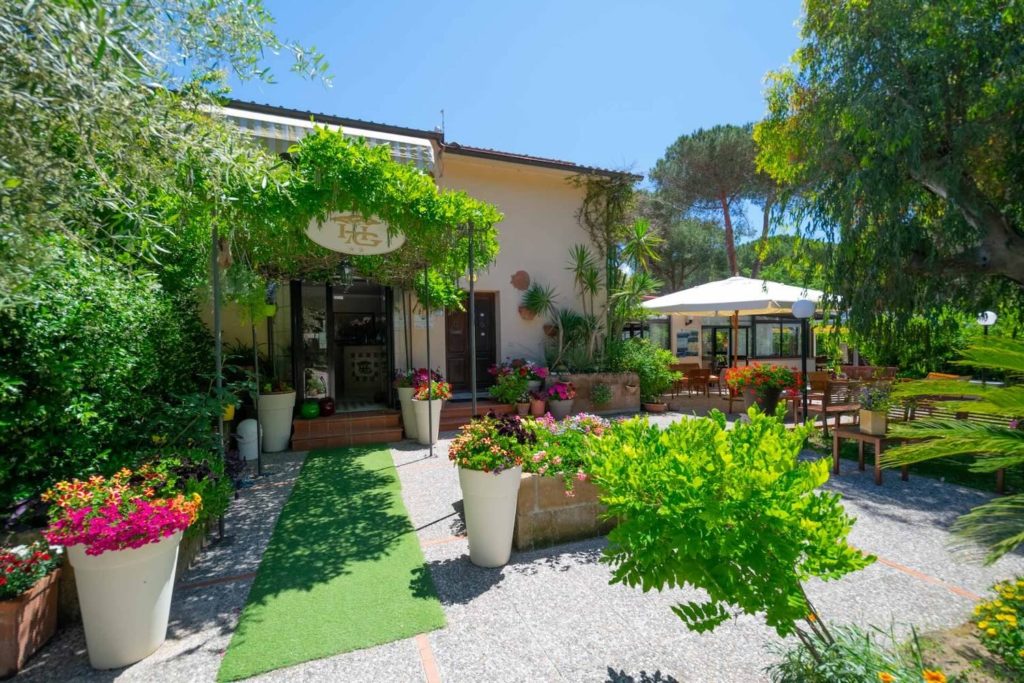
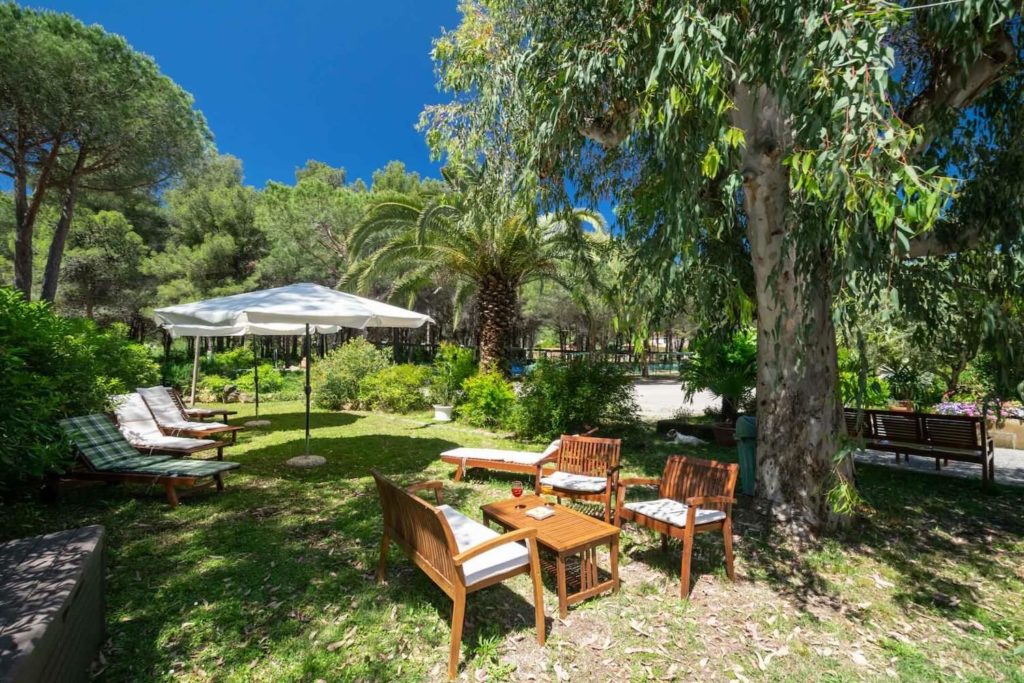
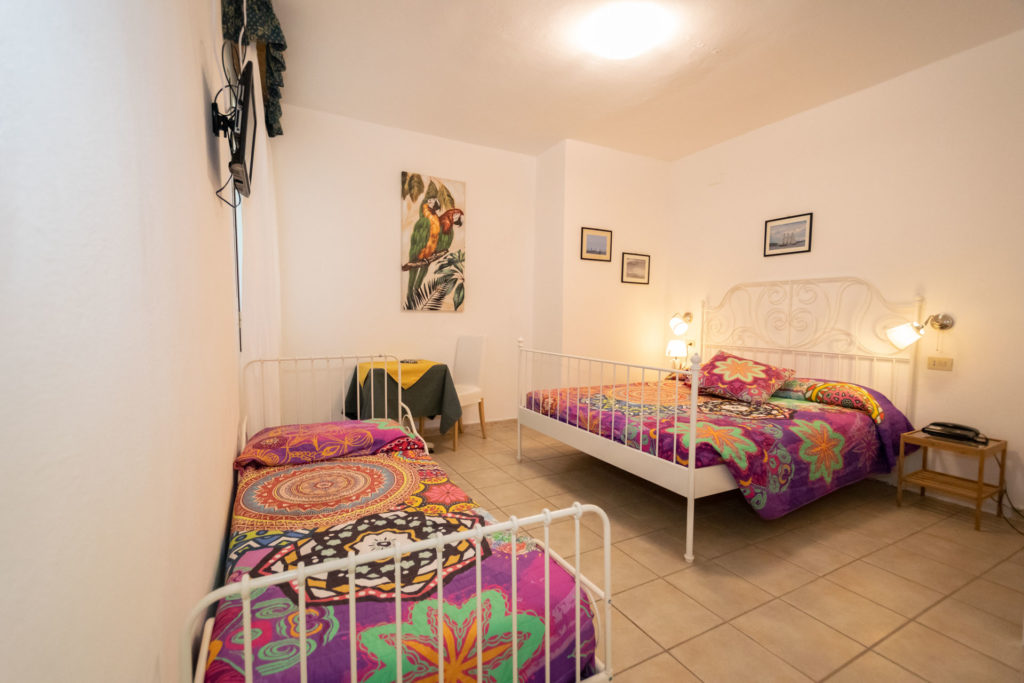
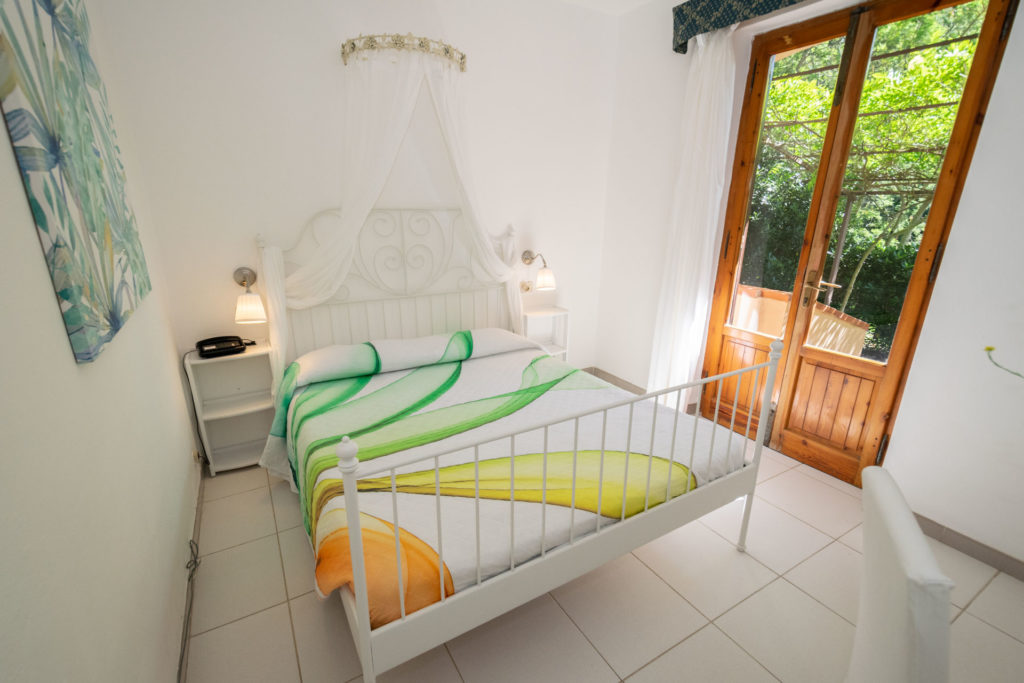
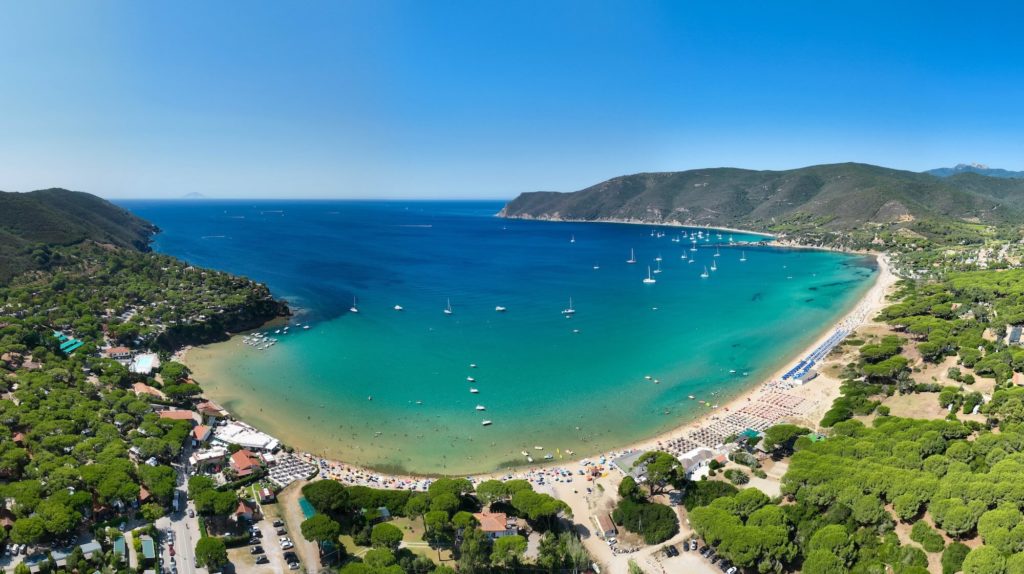
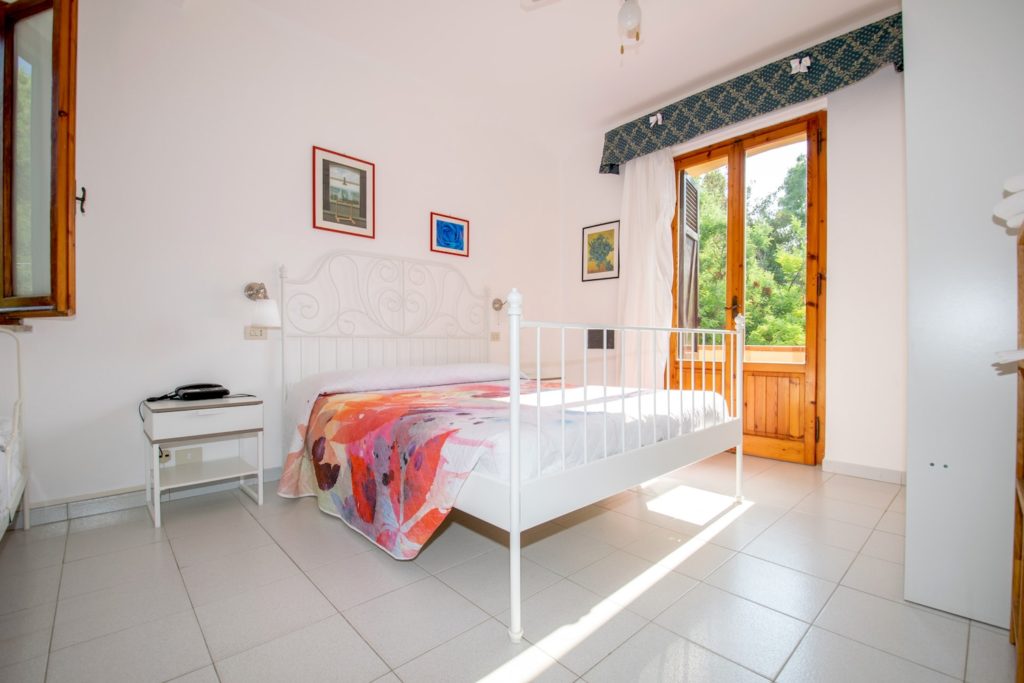
Hotel Giardino sits in the heart of Lacona’s pine forest just 100 m from the long sandy beach. Guests cross protected dunes via a footpath to reach the sea in just five minutes . Staying here lets you check the wind and waves each morning by simply strolling to the beach .
The hotel is a family‑run oasis surrounded by 30 000 m² of shaded park . Lacona itself is one of the biggest beaches on the island; its golden sand and clear water make it ideal for beginners and intermediate surfers when southern swells create waves up to 1.5–2 m . Windsurfers benefit from the wide bay exposed to Maestrale and Scirocco, with flat water when the wind blows from the northwest and playful waves during southerly breezes . Several beach clubs and nautical centres offer board and sail rentals and courses .
After a day on the water you can relax in the quiet pinewood away from traffic. Guests praise the friendly, family atmosphere and hearty home‑style food; rooms are simple but clean, with Wi‑Fi, TV, air conditioning and a safe, and many have an outdoor area for drying wetsuits . The hotel is pet‑friendly and its central position allows you to reach all of Elba’s main towns—Portoferraio, Capoliveri, Porto Azzurro and Marina di Campo—in 10–15 minutes by car .
Best wave‑surf spots
Although Elba does not produce waves as frequently as ocean destinations, good breaks form when the right winds arrive. Southern beaches work with Scirocco (SE) or Libeccio (SW) storms, while northern and western coasts need Maestrale (NW) or Ponente (W) winds . Some bays are perfect for beginners, others offer adrenaline‑fuelled waves for experts. Here is an overview:
| Spot | Exposure & ideal winds | Type of wave | Recommended level | Highlights |
|---|---|---|---|---|
| Cavoli (south) | Scirocco & Libeccio in winter | Powerful beach‑break; tubelike waves with swells | Advanced | Sharp shorebreak and fast take‑off |
| Marina di Campo (south) | Moderately strong Scirocco/Libeccio | Long, regular sandy waves during “scaduta” (post‑storm) | Beginner–intermediate | Long beach with surf/windsurf schools; great for longboarders |
| Lacona (south) | Libeccio & Scirocco swells | Wide sandy beach‑break; fun waves up to ~2 m | Beginner–intermediate | Spacious bay with rental centre; manageable up to 2 m |
| Margidore (south) | Libeccio & Scirocco | Pebble/reef break; intense waves even in strong wind | Intermediate–advanced | Works when other spots are blown out; rocky entry requires caution |
| Lido di Capoliveri (south‑east) | Scirocco & Libeccio (best after storms) | Regular sandy waves up to 2.5 m | All levels | Easy access, services and schools; versatile spot |
| Procchio (north) | Maestrale/Ponente; also Scirocco offshore | Sandy beach/point break; multiple peaks | All levels | Versatile spot with schools; waves vary from gentle to challenging |
| Capo Bianco (north) | Strong Maestrale (winter) | Point break under white cliffs; waves > 5 m | Advanced only | Legendary spot; huge winter waves for thrill seekers |
| Biodola & Scaglieri (north) | Tramontana/Maestrale (post‑storm) | Continuous left and right waves | Intermediate | Caribbean‑coloured water; good after northern winds |
Surf quality depends heavily on the weather; most breaks work only when there is an active swell . In summer waves are rare, but that is when sails come into play.
Spots for beginners
If you’re learning to surf, look for soft waves, sandy bottoms and safe surroundings. Marina di Campo is ideal: its long, sheltered bay produces small waves after moderate storms and is patrolled by lifeguards in summer . Lacona with small waves also suits beginners thanks to its extensive shallow area, and there is plenty of space to practise away from others . Procchio works with light westerly winds and offers schools that provide qualified instructors and equipment . Avoid Cavoli, Margidore and Capo Bianco unless you have experience: their waves are fast or break on reefs .
Spots for experienced surfers
Seasoned surfers should monitor forecasts for south‑western storms in autumn and winter. Margidore is often ranked the best spot with southern swells; its fast, intense wave over a cobblestone reef resembles an ocean break . Capo Bianco with a strong Maestrale delivers long, towering walls of water—ideal for speed runs rather than radical manoeuvres . Chiessi is another challenging option: with big western swells and Maestrale gusts, it produces steep waves but has rocky entry and exit, so wear boots and consider going with locals . Even Cavoli can offer barrels during winter swells, although its line‑ups become competitive . Experts are advised to bring a quiver of boards because conditions can vary widely from one day to the next .
Best windsurf spots
Unlike surfing, windsurfing on Elba is a near‑guaranteed bet thanks to the island’s geography: there is almost always a shore where the wind blows well . Many windsurf spots double as kitesurf spots, but strict launch corridors must be used in summer .
| Spot | Typical winds | Spot characteristics | Recommended level | Notes |
|---|---|---|---|---|
| Pomonte & Chiessi (south‑west) | Maestrale thermals 12–22 kn; strong Scirocco | Open sea, constant wind, formed waves; rocky launch | Advanced | Host national regattas; best for experts due to rock landings |
| Lacona (south) | Moderate Maestrale (NW); moderate‑strong Scirocco/Libeccio | Wide sandy bay; flat water with NW, playful waves with S; services on beach | All levels | Perfect for learning, freestyle or jumps; large parking and rental centre |
| Marina di Campo (south) | Constant Maestrale (NW) & Scirocco (SE) | Protected sandy bay; safe for learning; moderate wave with south winds | Beginner–advanced | Several schools; channels for launching; also suits kitesurf |
| Procchio (north) | Consistent Ponente/Maestrale (W/NW); Scirocco offshore | Sandy bay; flat water with offshore winds, chop with onshore | Beginner–intermediate | Versatile; school available; good for freestyle and speed |
| Biodola/Scaglieri (north) | Light Maestrale & thermals | Semi‑open bay; best with medium‑light winds and long residual waves | Intermediate | Scenic setting; not suitable for strong winds |
| Lido di Capoliveri (south‑east) | Maestrale (NW) & Scirocco (SE) | Open sandy beach; easy with light winds, choppy with strong winds | Beginner (light breezes) – advanced (strong winds) | Windsurf centre on site |
| Innamorata (south) | Scirocco (SE), Ostro (S), light Libeccio | Small cove; usable with moderate winds, flat to light chop | Intermediate | No rental services; romantic setting |
| Naregno (east) | Levante (E); Grecale (NE), Scirocco (SE) | Eastern bay; flat water with easterly winds, chop with SE | Intermediate; beginners only with light wind | Sailing school available |
| Schiopparello/Magazzini (north‑east) | Strong Ponente (W); moderate Scirocco (SE) | Enclosed gulf; calm water even with strong wind | Beginner | Perfect for practising jibes and speed runs; no services on the beach |
Learning to windsurf
For beginners, choose beaches combining moderate wind and flat water. Marina di Campo is perfect: its protected bay offers non‑gusty wind and shallow sand, and local schools provide instruction and gear . Procchio works well with light Ponente and hosts a windsurf school with courses for children and adults . Lacona is ideal in the morning or late afternoon; its shallow, sandy bottom ensures confidence and the nautical centre offers lessons and a safety boat . Schiopparello is like a lake: calm waters are great for practising starts and jibes .
Avoid Chiessi/Pomonte (too windy and rocky), Lido di Capoliveri in strong wind, and any shore with shorebreak or strong current until you’ve mastered the basics . Remember there are schools on most major beaches—Scaglieri, Procchio, Marina di Campo, Lacona, Margidore, Lido, Innamorata and Naregno—where you can hire equipment and get instruction .
Spots for expert windsurfers
Experienced windsurfers seek strong winds and challenging conditions. Chiessi is the ultimate test: thermal Maestrale gusts over 20 knots create rough sea and formed waves; rocky landings require boots, weed‑fins and sometimes a helmet . Lido di Capoliveri with strong Scirocco transforms into a small wave spot with disordered ramps perfect for jumps and wave rides . Schiopparello under strong Ponente provides billiard‑flat water for speed runs or even foil windsurfing . Adventurous sailors also enjoy downwind crossings from Capo Sant’Andrea to the Paolina islet, experiencing ocean‑like waves but venturing far offshore . In short: Chiessi/Pomonte for wild wind, Lido with Scirocco for wave action, Schiopparello for pure speed, and downwinds for exploration .
When to go
Elba offers something in every season, but the best period depends on whether you’re chasing waves or wind :
- Summer (Jun–Aug) – Paradise for windsurf. Days are sunny and thermal breezes blow most afternoons; water temperature reaches 26–28 °C. Surf is limited to occasional short swells . Spots like Chiessi, Lacona and Procchio work almost daily. Expect crowds, but early morning or late afternoon sessions are quieter.
- Autumn (Sept–Nov) – The best compromise for surf and windsurf. Temperatures remain pleasant in September and freshen through November. Libeccio and Scirocco storms create waves on southern beaches while Maestrale can bring swell to the north . Windsurf conditions improve with stronger, less predictable winds and fewer people.
- Winter (Dec–Feb) – Season of big waves. Maestrale, Tramontana and Scirocco storms deliver substantial swells; Cavoli, Margidore and Lido fire regularly and Capo Bianco offers epic 5 m waves . Windsurf is also possible year‑round with a thick wetsuit .
- Spring (Mar–May) – A transitional period. March still sees winter swells but water is chilly; April and May offer mild days, moderate winds and few tourists . Good for windsurf and a first swim.
In summary, choose winter–early spring for surf, summer–early autumn for windsurf, and September for a mix of both .
Equipment hire and lessons
Elba has numerous water‑sport schools and rental centres at the main beaches, including Scaglieri, Procchio, Marina di Campo, Lacona, Margidore, Lido di Capoliveri, Innamorata and Naregno . Here’s how to organise yourself:
- Windsurf rental – Boards and sails are available at Lacona, Marina di Campo, Procchio and Lido di Capoliveri. Expect to pay around €20–25 per hour for a complete set . In high season, consider reserving equipment in advance, especially for smaller sails or foil boards .
- Surf/SUP rental – Surfboard rental is less common because waves aren’t daily, but some beach clubs at Cavoli, Marina di Campo, Lacona and Lido have a few longboards or SUPs to hire when conditions allow . Prices for SUP/surf are about €10–15 per hour .
- Lessons – Almost all centres offer private or group lessons. Basic windsurf courses (3–5 lessons) teach how to raise the sail, start, and return to the launch point with certified instructors . They run kids’ courses from about 6–7 years old and short intensive courses for tourists; expect €30–40 per hour for private lessons . For surfing, there aren’t permanent surf schools due to inconsistent waves, but many windsurf/kite instructors give surf lessons when swells arrive . Ask locally because the island’s sporting community adapts quickly to conditions .
- Booking contacts – The article cites several centres: at Marina di Campo the Beach Sport Center and Club del Mare; at Procchio Elba Water Sports; at Lacona Centro Velico Lacona; at Lido di Capoliveri Lido Beach Sports . Many use WhatsApp for quick bookings .
What to visit near Hotel Giardino
Beyond surfing and sailing, central Lacona lets you explore historic towns, scenic points and hidden coves within 15 km :
- Capoliveri (10 km) – A hilltop village at 167 m altitude with medieval “chiassi” (lanes) lined with artisan shops and wine bars. Visit the Belvedere for sunset views over Golfo Stella and the Sea Museum with artefacts from a Roman shipwreck. Above the town lies Monte Calamita and its old iron mines; guided tours allow you to see the galleries and minerals . Capoliveri hosts festivals such as the Grape Festival in October and the Legend of the Innamorata on 14 July .
- Portoferraio (15 km) – The island’s capital boasts Medici fortifications (Forte Stella and Forte Falcone), Napoleon’s residence (Palazzina dei Mulini) and Villa San Martino . Wander through the old town, swim at Spiaggia delle Ghiaie with its crystal‑clear water and white pebbles, and enjoy evening markets and restaurants along the harbour .
- Porto Azzurro (13 km) – A picturesque fishing village centred on Piazza Matteotti and dominated by the 17th‑century Forte San Giacomo . Stroll along the waterfront craft market, hike up to the Monserrato Sanctuary for panoramic views, and enjoy seafood dinners .
- Marina di Campo (11 km) – In addition to surfing and windsurfing, this lively town offers the island’s longest beach, a promenade lined with boutiques and pubs, and the Elba Aquarium, one of Italy’s most complete private Mediterranean aquariums . Nearby villages San Piero and San Ilario provide glimpses of rural Elba .
- Laconella and local coves (2–3 km) – Just west of Lacona, a short path leads to secluded Laconella: a small white‑sand bay framed by Punta Contessa and Fonza promontory with turquoise water and fewer crowds . Margidore and the Capo Stella promontory offer quiet vistas; trails across Mediterranean scrub lead to panoramic points overlooking both the Lacona and Stella gulfs . East of Lacona, rocky Capo Pini hides snorkelling coves accessible by kayak or SUP .
Staying in Lacona means you can enjoy nature while remaining close to historical and cultural sites . You could windsurf in the morning, tour a Napoleonic villa in the afternoon and dine in Capoliveri in the evening. Numerous hiking and mountain‑bike trails start near the hotel, such as route 118 from the Tonietti Mausoleum to Monte Tambone . Other suggestions include mini‑cruises to Pianosa or Capraia and a visit to the San Giovanni thermal baths .
Conclusion
Elba is a surprising destination for board sports enthusiasts. Its varied coasts provide spots for gentle beginner waves and challenging barrels, thermal breezes for beginner windsurfers and gale‑force winds for experts. Hotel Giardino in Lacona serves as a strategic base: you can quickly switch coasts to chase the wind or swell, rent equipment or take lessons nearby, and explore historical villages, hidden coves and hiking trails. Plan your trip according to the seasons—winter for waves, summer for breeze, autumn for a mix—and savour the island’s blend of sport, nature and culture . Board under your arm, sail at the ready: Elba awaits with wind, waves and unforgettable adventures.