

P.S. For updated services and prices, please contact the individual business directly.
Introduction
Elba Island is famed for its variety of coastal landscapes – from long stretches of golden sand to tiny coves hidden among granite cliffs and crystal‑clear waters teeming with marine life. With more than 200 beaches, the island offers parents plenty of choice when planning a holiday. The staff of Hotel Giardino in Lacona compiled this guide, updated to 2025, to help families choose the safest and most comfortable beaches for their children. The introduction explains that the guide draws on the hotel’s long experience hosting Italian and foreign families and integrates official information from the regional tourist portal. It promises detailed descriptions, summary tables, frequently asked questions and practical tips so that, by the end, readers can imagine their children happily building sandcastles or watching fish in shallow waters .
Why Make Hotel Giardino Your Base?
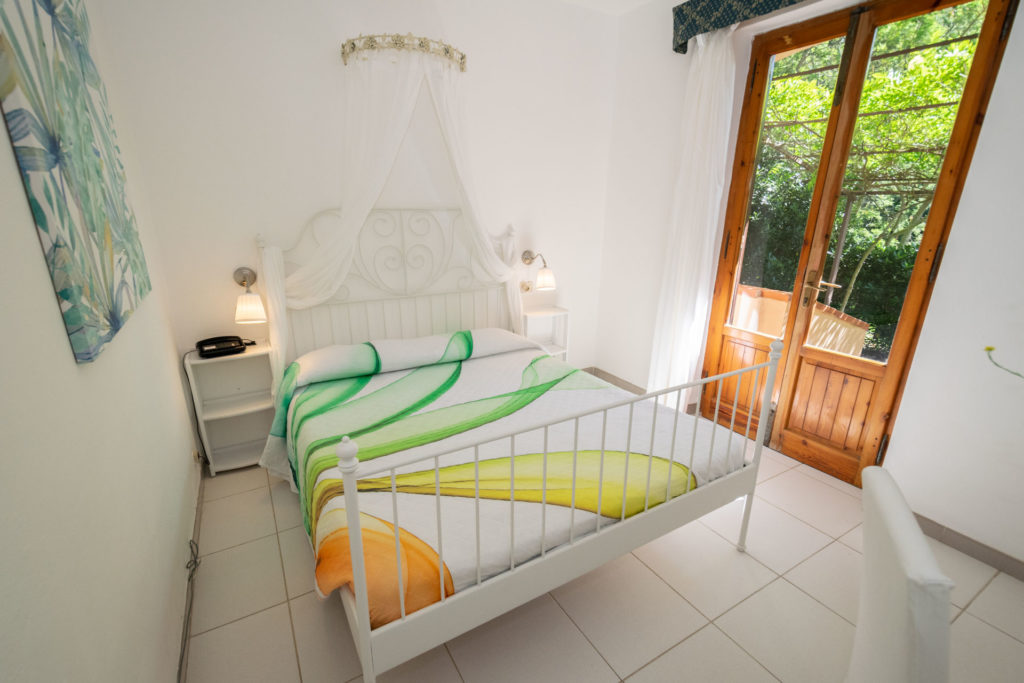
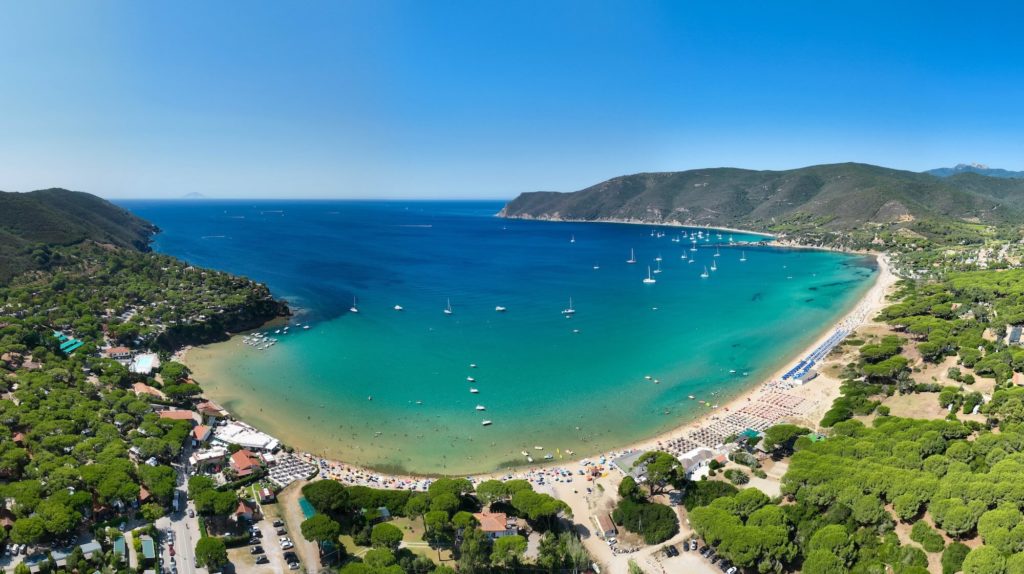
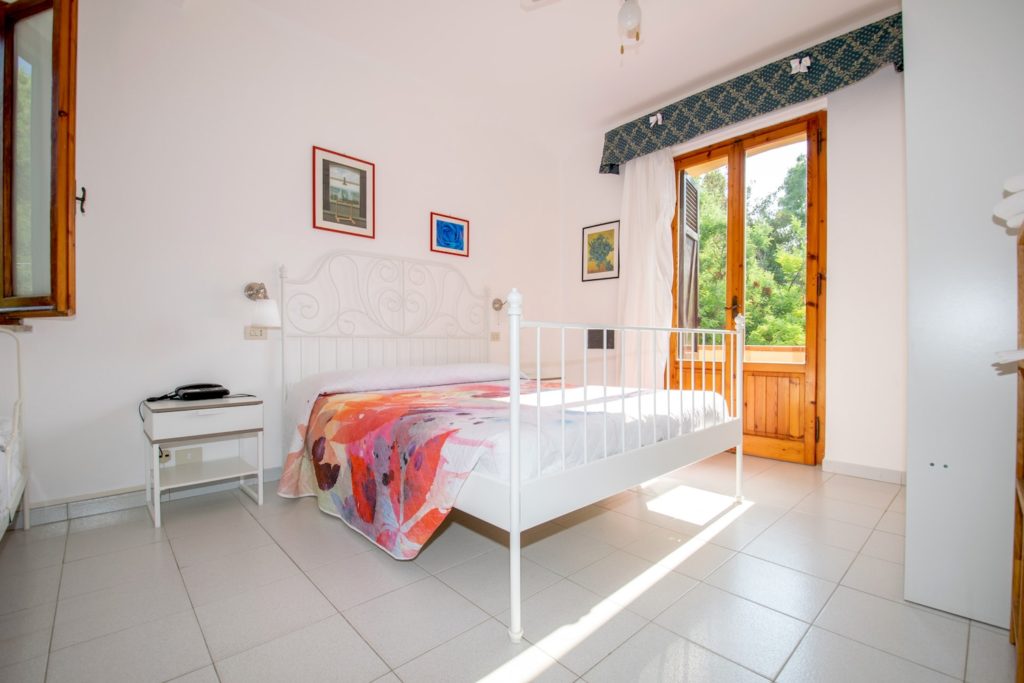
A green oasis steps from the beach
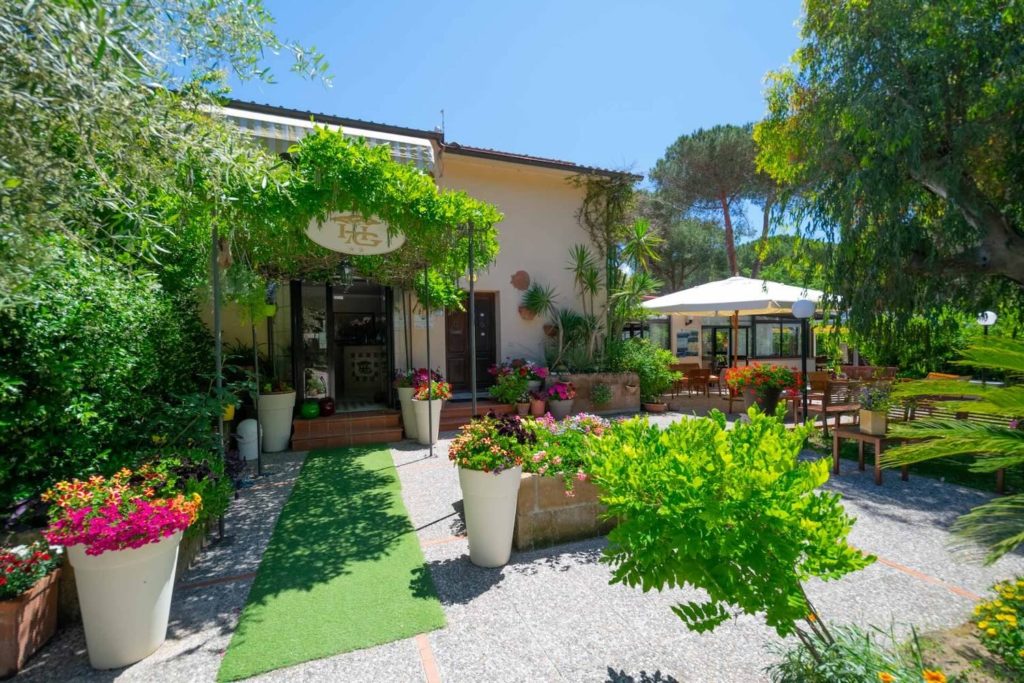
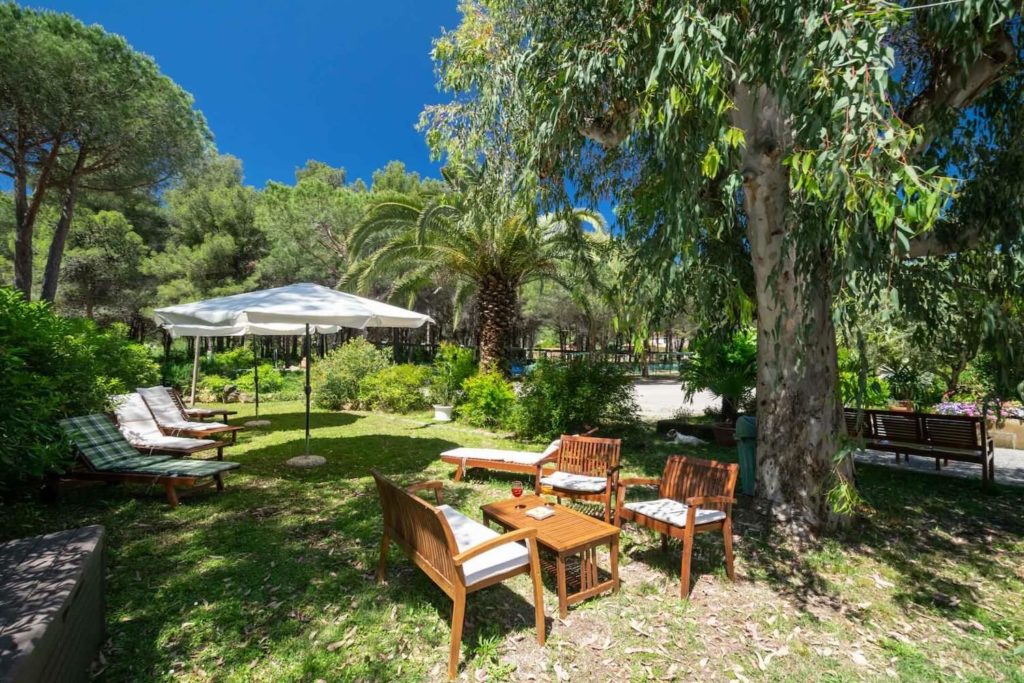
Hotel Giardino is a family‑run property set in a private 30 000 m² park filled with pine trees, holm oaks and aromatic shrubs. It stands in the gulf of Lacona, one of the widest and flattest bays on Elba, and lies only 100 m from Lacona beach. Guests can stroll through a shaded lane to reach the sea and alternate time under the umbrella with breaks in the cool park, where there are playgrounds, picnic tables and hammocks . The hotel has welcomed visitors since the 1960s, and its small size allows personalised attention; the family management offers flexibility in meal times and menus, including baby food and dishes tailored to allergies .
Rooms and family‑oriented services
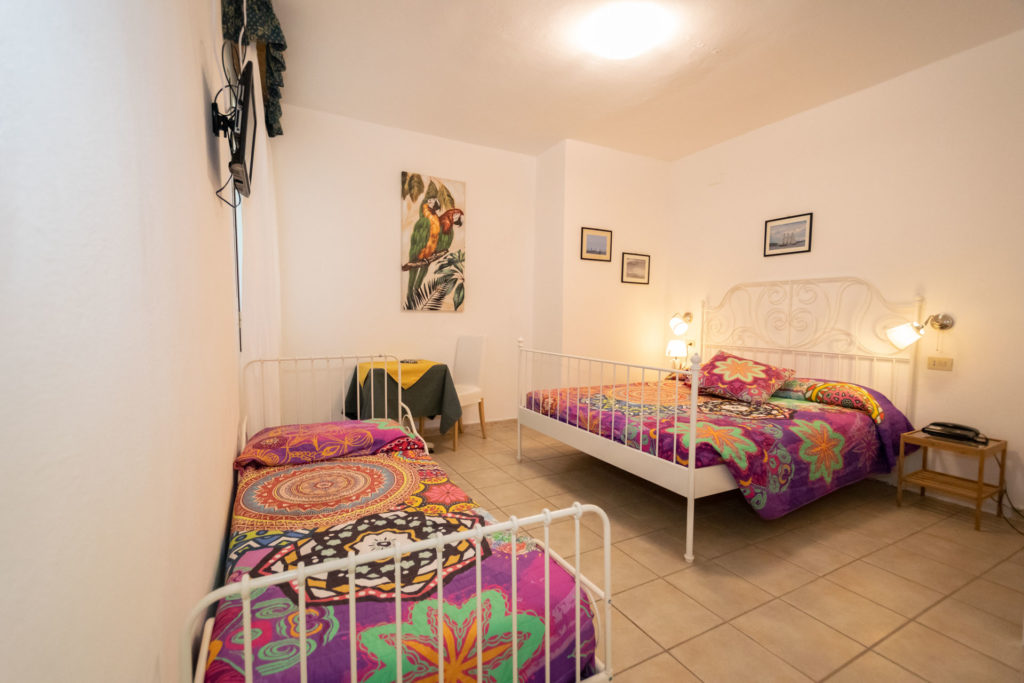
The hotel’s rooms are simple but comfortable. Each has a private bathroom with shower, satellite TV, telephone and safe, plus a balcony or terrace overlooking the park or hills. Daily cleaning and discreet staff ensure a healthy environment, and in warm months fans or air conditioning are provided. On request, the hotel supplies cots, bed guards, bottle warmers and baby baths . Breakfast consists of homemade cakes, organic jams, seasonal fruit and savoury items like local cold cuts and cheeses, while lunch and dinner menus offer seafood and Tuscan specialities, with a weekly barbecue in the garden and picnic baskets for those who prefer to eat on the beach . Included services range from free Wi‑Fi and internal parking to bike storage, bike rentals, a small playground with ping‑pong, laundry on request and pet‑friendly policy . The hotel also cooperates with diving and snorkelling centres and organises guided walks and MTB excursions .
Strategic position to explore the island
Located roughly in the island’s centre, Hotel Giardino allows guests to reach Marina di Campo, Portoferraio, Capoliveri and Porto Azzurro in 10–15 minutes by car . Although near the provincial road, the property remains peaceful; transfers from ports and airports or car/scooter rentals can be arranged . Thanks to partnerships with ferry companies, the hotel offers discounted ferry tickets and can book boat trips to Pianosa, Capraia or Montecristo . A large garden welcomes children, with shady zones, sun loungers, swings and a fenced play area; in summer there are gardening and nature workshops .
How to Choose a Child‑Friendly Beach
With so many beaches on Elba, families need to consider several factors when selecting a safe and enjoyable spot. The article lists six criteria:
- Sand type and gradient: Fine sand with a gentle slope is safest and most comfortable for children. Lacona beach has soft golden sand and a slowly sloping seabed , while Marina di Campo’s long beach offers gentle entry into the water for over 50 m .
- Services and lifeguards: Families appreciate establishments that rent umbrellas and chairs and provide showers, toilets, cafés and lifeguards. Beaches such as Lacona, Marina di Campo, Procchio and Lido di Capoliveri offer well‑equipped resorts .
- Natural shade: Pine woods or tamarisks are important for midday respite. Lacona, Marina di Campo (in the La Foce area) and Procchio have adjacent pine forests .
- Accessibility: Families with prams or reduced mobility need nearby parking and easy paths; some beaches provide wooden walkways and amphibious chairs. Fetovaia, Procchio and Lido di Capoliveri have accessible services .
- Exposure to winds: Knowing each beach’s orientation helps choose according to weather. Lacona is sheltered from the Mistral but more exposed to the Scirocco, while Fetovaia is well protected and enjoys a mild microclimate .
- Natural interest: Older children often enjoy snorkelling. Some beaches belong to protected areas and allow observation of fish and plants near shore, such as the Spiaggia delle Ghiaie .
Beaches in Detail: Questions and Answers
Below are descriptions of the main family‑friendly beaches, with answers to common questions.
Lacona – our home beach
Why is it ideal for children? At roughly 1 200 m long, Lacona is the island’s second‑longest beach. Its golden sand and very gentle slope allow children to play safely in the water, while dunes with sea lilies and a natural pinewood provide shaded areas . The clear water invites swimming and snorkelling.
What services are available? Several beach clubs rent umbrellas and chairs and have bars, restaurants and windsurf/kayak schools. There are diving centres, pedal boat and canoe rentals, a beach‑volleyball court and boat hire. A free section of beach remains close to services; the pinewood behind has picnic tables. Lifeguards guarantee safety, and rescue services are increased at peak times .
How to get there and where to park? Hotel Giardino guests reach the beach on foot in minutes. From other towns, the beach is accessible from the provincial road, with paid and free parking in the gulf. Arriving before 10 a.m. in high season ensures a spot. Public buses serve the beach in summer .
When to go? Lacona is exposed to the Scirocco, which can make the sea rough; when the Mistral blows the water is calm and transparent . Mornings and late afternoons are best; at midday seek shade. Spring and autumn offer quieter visits .
Curiosities: The dunes host protected sea lilies; please avoid trampling them. A coastal path leads from the eastern end to the little cove of Laconella, ideal for snorkelling .
Marina di Campo – queen of family beaches
Size and characteristics: Nearly 1 300 m long, Marina di Campo is the island’s longest beach. Its sandy seabed slopes gently for tens of metres, allowing children to play safely; the soft golden sand derived from granite is perfect for sand castles .
Is it easy to reach? Yes. The beach borders the town, so visitors can walk from the centre – convenient for prams. Hotel Giardino guests can drive there in about 15 minutes . The promenade offers bars, restaurants, ice‑cream parlours and shops, and parking is ample but paid .
What family services are offered? Many beach establishments provide showers, changing cabins, toilets, restaurants and children’s play areas. There are free sections, and a pine forest in the La Foce area with a playground . Some resorts have walkways and amphibious chairs for disabled access . Evening markets and entertainment enliven the promenade .
What else can we do? Marina di Campo has an aquarium showcasing Mediterranean species – perfect for windy or rainy days . Boat trips depart from the harbour to discover other beaches along the south‑west coast, and trails lead up San Piero hill to the medieval tower of San Giovanni .
Fetovaia – a golden paradise
What makes it special? Fetovaia is a jewel of the south‑western coast: a 200‑m sandy cove enclosed by promontories covered with Mediterranean scrub. The golden sand forms a soft carpet; the turquoise sea is calm thanks to the shelter of Punta Fetovaia and Monte Cenno, creating a mild microclimate . The gently sloping seabed is ideal for children.
Which services are available? There are both free sections and resorts offering sun‑beds, umbrellas, bars and restaurants. The beach provides disabled access via walkways and amphibious chairs . A paid car park behind fills quickly, so early arrival is advised; a path on the left promontory leads to spectacular viewpoints and the nearby cove of Cavoli .
When to visit? Fetovaia is very popular in July and August; to avoid crowds go early or in June and September. Facing south‑west, it is protected from the Mistral but exposed to the Libeccio wind .
Lido di Capoliveri – sand and services
This 460‑m crescent of golden sand on the island’s south‑eastern side is easily reached and well serviced. Its sandy seabed and breadth, along with bars and restaurants, make it ideal for children . Beach resorts provide umbrellas, showers, toilets and windsurf schools ; there are pedal boat and canoe rentals, and a large car park behind the beach. A small pinewood on the east side offers shaded tables and play equipment . The beach is exposed to southerly winds, so the Scirocco can make the sea rough; during high season it may be crowded and noisy, so families seeking tranquillity can head to Felciaio or Norsi .
Procchio – comfort and scenery
Procchio boasts one of the island’s longest beaches (almost 1 km) divided into three sections: the central lido, Campo all’Aia and Guardiola. The fine sand forms an arc around turquoise waters; behind rise green hills. The seabed slopes gently and is ideal for children . Resorts offer accessible services, toilets, showers, bars and restaurants. An amphibious chair service allows entry into the sea . Pedal boats, canoes, SUP, sailing boats and windsurf courses are available, and the proximity to the village means shops and pharmacies are close by. Parking is paid; a shuttle bus (Marebus) runs in high season . Views extend across to Capraia and Corsica, and sunsets are spectacular .
Biodola – elegance and nature
Located a few kilometres from Portoferraio, the 600‑m beach of Biodola lies in a beautiful bay surrounded by scrub and pine forest. Its fine golden sand and transparent water with green‑to‑turquoise hues, and the shallow seabed make it popular with families . Hotels, restaurants and bars line the shore, and resorts rent umbrellas, chairs and pedal boats; water sports such as water skiing, windsurfing and diving are available . However, parking is limited and expensive in peak season, and Biodola’s more elegant atmosphere may not suit those seeking a wild or quiet environment . To reach it from Lacona, drive through Portoferraio (about 20 minutes) and park at the paid lot; alternatively park at Scaglieri and walk along the coast .
Cavoli – crystal‑clear water and fun
The 350‑m beach of Cavoli has coarse sand that doesn’t stick to the skin. The bay is framed by granite hills and scrub, and its sheltered position creates a warm microclimate suitable for swimming from March to November. The water is limpid and deep blue . The seabed slopes gradually and is safe for children, but in summer the beach is popular with young people and music from resorts can be noisy . There are bars, restaurants, rentals of umbrellas, chairs, pedal boats and boats; some resorts have floating platforms and play areas . The paid parking above the beach requires a short stairway, and it takes about 25 minutes by car from Lacona . From Cavoli you can take boat trips to the Blue Cave .
Sant’Andrea – granite charm
Sant’Andrea, in the municipality of Marciana, is a small 150‑m cove with golden sand and ochre tones. Smoothed granite slabs flank the beach, creating natural platforms for sunbathing. The transparent water has a shallow zone for children, then becomes deeper – perfect for snorkelling . A few resorts offer bars, restaurants and chair rentals, alongside free sections . The nearby village is small but welcoming, and trails lead to viewpoints and to Cotoncello, a mini‑cove with white rocks and turquoise sea. Parking is limited and the access road is narrow but scenic . The beach is recommended for children thanks to its fine sand and shelter from winds, though its small size means it fills quickly .
Spartaia – sheltered bay
Spartaia is a 160‑m bay between Procchio and La Paolina. Its golden sand and surrounding rocks and vegetation protect it from winds, creating an intimate and safe environment. The seabed is shallow for several metres, and rocks at the sides appeal to snorkellers . A small resort with bar and umbrella rental operates on the beach, with free areas available . Access is via a path from the main road; parking along the road may be paid in summer . From Lacona, it takes about 25 minutes by car; nearby is the Paolina islet (reachable at low tide), part of the Napoleonic itinerary .
Ghiaie – biological reserve and ferris wheel
Just a few hundred metres from Portoferraio’s harbour, the Spiaggia delle Ghiaie features white pebbles. According to legend, they were stained by the sweat of the Argonauts. It forms part of a protected biological zone established in 1971; fishing is banned, preserving fish‑rich waters where children can observe marine life just offshore . In 2025 a ferris wheel was installed behind the beach, offering spectacular views of Portoferraio and the coast . The beach has bars, restaurants and an accessible path; it is illuminated at night for evening strolls . Because of the pebbles, use water shoes and mats for comfort; its proximity to the city makes services convenient .
Other recommended beaches
Besides the main spots, the article suggests several lesser‑known coves suited to families with older children:
- Sansone and Sottobomba: White‑pebble beaches near Portoferraio with very clear water. Access via paths and steps; not suitable for pushchairs but perfect for snorkelling. They are less crowded early in the morning .
- Padulella: Another white‑pebble beach adjacent to the Ghiaie reserve; access is challenging with a pushchair but the water is clear and uncrowded .
- Enfola: A narrow isthmus linking the coast to the eponymous promontory. The crystal water and rocky seabed attract fish; trails start from here through the Mediterranean scrub .
- Felciaio: A small cove near Lido di Capoliveri. It has coarse sand, shallow water and small rocks, often secluded because vegetation hides it .
- Norsi: A beach of dark sand and pebbles on the southern side. It has basic services and deep water after a few metres; suitable for older children seeking tranquillity .
Summary Table of Beaches
| Beach | Sand/floor & gradient | Approximate length | Key services & notes |
|---|---|---|---|
| Lacona | Golden sand, gently sloping seabed | ~1 200 m | Resorts, bars, pinewood, canoe rental, snorkelling |
| Marina di Campo | Fine sand, gradual depth | ~1 300 m | Resorts, pinewood with playground, promenade |
| Fetovaia | Golden sand, shallow bottom | ~200 m | Resorts, bar, disabled access, parking |
| Lido di Capoliveri | Golden sand, sandy bottom | ~460 m | Resorts, bars, windsurf school, parking |
| Procchio | Fine sand, gentle seabed | ~1 000 m | Resorts, bars, disabled facilities, shuttle bus |
| Biodola | Fine sand, turquoise water | ~600 m | Hotels, bars, water sports, parking |
| Cavoli | Coarse sand, shallow bottom | ~350 m | Resorts, bars, youth vibe, Blue Cave trips |
| Sant’Andrea | Ochre sand, granite rocks | ~150 m | Resorts, bars, scenic trails |
| Spartaia | Golden sand, sheltered bay | ~160 m | Resort, bar, limited parking |
| Ghiaie | White pebbles, protected area | ~400 m | Bars, restaurants, ferris wheel, accessible path |
Frequently Asked Questions about Elba’s Beaches
Which is the safest beach for very young children?
For families with children under three, the guide recommends Lacona, Marina di Campo and Procchio, all of which have fine sand, gently sloping seabeds and shady pinewoods. Fetovaia offers calm water but is small and busy, while Cavoli has a youth‑oriented atmosphere and little natural shade .
Where can I find beaches with access for disabled visitors and prams?
Fetovaia, Procchio and Marina di Campo provide wooden walkways and amphibious chairs for entering the sea . Lido di Capoliveri has convenient access but not always amphibious chairs; it is suitable for prams because parking is nearby. The Spiaggia delle Ghiaie has a level path suitable for wheelchairs .
Which beaches offer natural shade?
The pinewoods of Lacona, Marina di Campo (La Foce) and Procchio provide large shaded areas . Lido di Capoliveri has a small pinewood, while wild coves like Felciaio and Norsi are surrounded by vegetation and offer shade .
Can we go snorkelling with children?
Absolutely. The island’s waters are renowned for biodiversity. Easy snorkelling beaches include Lacona (near the rocks), Le Ghiaie, Sansone, Padulella, Enfola, Felciaio and Spartaia . Pack masks, snorkels and, if needed, short wetsuits for little ones.
Are there coral reefs or archaeological sites under water?
Elba has no coral reefs, but some seabeds conceal Roman‑era wrecks such as the Santa Lucia shoal off Porto Azzurro, which can be visited with diving centres from around age 10 . For simple snorkelling, the protected area of the Ghiaie lets children watch numerous fish species .
When is the best time to visit the beaches with kids?
Spring (April–June) and early autumn (September–October) provide mild temperatures, often calm seas and fewer crowds . July and August are the hottest and busiest months; water is pleasantly warm but it is essential to arrive early and reserve umbrellas. In winter many facilities are closed, but the wild landscapes are ideal for walks .
Places to Visit near Hotel Giardino
Elba offers much more than beaches. From Hotel Giardino you can make short excursions to museums, villages, fortifications, mines and scenic landscapes.
Capoliveri – village suspended between sky and sea
Ten minutes’ drive from the hotel, Capoliveri sits on a hill at 167 m above sea level and retains a medieval charm with narrow alleys (chiassi) and small shops. Summer festivals include the Grape Festival and the Feast of the Innamorata. Points of interest include:
- Sea Museum: Tells the story of the Polluce shipwreck (1841) and displays recovered artefacts – fascinating for curious children .
- Church of San Michele: A Romanesque church overlooking the village .
- Calamita mines and Old Workshop Museum: Guided tours of magnetite and pyrite mines; children ride a mining train and learn about miners’ work .
- Forte Focardo: A 17th‑century Spanish fortress at Naregno; only the exterior can be visited but the panorama is impressive .
Portoferraio – Medicean and Napoleonic history
Elba’s capital is 20 minutes away. Founded by the Medici as Cosmopoli in the 16th century, it preserves impressive fortifications and a picturesque old town. Highlights include:
- Fort Falcone, Fort Stella and the Linguella Tower: Three forts protecting the city; their walls offer splendid views of the harbour .
- Palazzina dei Mulini: Napoleon’s official residence during his exile on Elba; visitors can walk through period furnishings and gardens .
- Villa San Martino: Napoleon’s country villa with a neoclassical gallery and frescoed rooms .
- Vigilanti Theatre: A theatre built by Napoleon, still hosting performances, including family shows .
- Church of the Misericordia: Holds Napoleon’s death mask and a clock that marked his death .
- Spiaggia delle Viste: A small pebble beach below the Palazzina dei Mulini, where Napoleon bathed; ideal for a quick stop .
Porto Azzurro – harbour and fortress
This picturesque village on the eastern side features a square overlooking the harbour and lively streets lined with craft shops. From the waterfront you can reach Fort San Giacomo (now a prison) dominating the village . Nearby are Barbarossa beach and a trail leading to Spanish Fort Focardo.
Rio Marina and the Mining Park
On the eastern coast, the area is renowned for haematite and pyrite mines exploited since Etruscan times. The Mining Park offers train rides through open‑pit quarries, educational workshops and a museum; children can collect mineral samples and learn about the island’s industrial history .
Marciana and Monte Capanne – views and trekking
In the northwest lies the village of Marciana, starting point for the cable car to Monte Capanne, the island’s highest peak at 1 019 m. The ride offers panoramic vistas of the coast, nearby islands and Corsica. At the top there are hiking trails and picnic areas, and children may spot the mouflons that sometimes approach . Marciana’s Archaeological Museum displays Etruscan and Roman artefacts .
Western Elba – San Piero, Sant’Ilario and Monte Perone
Behind Marina di Campo are the villages of San Piero and Sant’Ilario, characterised by granite houses and narrow lanes. Nearby Monte Perone offers numerous trekking and MTB routes through chestnut forests, with views over the Gulf of Marina di Campo and the Costa del Sole .
Recommended Itineraries for Families
To help parents plan around children’s energy levels, the article proposes itineraries of three, five and seven days departing from Hotel Giardino.
3‑day itinerary
- Day 1: Lacona and Capoliveri – morning at Lacona beach; lunch in the pinewood with a picnic supplied by the hotel. Afternoon visit to the village of Capoliveri, with ice cream in the square and stroll through the chiassi; dinner at a local festa (if any) or barbecue at the hotel .
- Day 2: Fetovaia and Sant’Andrea – early departure to Fetovaia for a day of bathing and sand play. Late afternoon transfer to Sant’Andrea to admire the sunset from the granite cliffs; stop in Marciana Marina for an evening walk .
- Day 3: Portoferraio and Napoleonic residences – visit the Medici forts, Palazzina dei Mulini and Villa San Martino ; lunch in a historic centre restaurant. Afternoon at Le Ghiaie beach for snorkelling and a ride on the ferris wheel ; return to the hotel.
5‑day itinerary
- Day 1: Same as Day 1 of the three‑day itinerary.
- Day 2: Day at Marina di Campo – morning on the beach; lunch on the promenade; afternoon visit to the Elba Aquarium and evening walk in the La Foce pinewood .
- Day 3: Visit Porto Azzurro and the Rio Marina Mining Park; children will love the mine train. On the return, stop for a quick swim at Norsi or Felciaio .
- Day 4: Excursion to Procchio and Spartaia. Afternoon visit to Marciana and cable‑car ascent of Monte Capanne .
- Day 5: Spend the day on the eastern side: stop at Biodola beach for an elegant change of scenery; have lunch in a restaurant; then visit Enfola with its coastal path and return via Portoferraio for shopping and an aperitif .
7‑day itinerary
In addition to the five‑day programme, families can add:
- Day 6: Boat trip to Pianosa or Capraia with departure from Marina di Campo or Porto Azzurro. Excursions include guided tours, lunch on board and swimming stops – a real adventure for children .
- Day 7: Active day – energetic families can take a kayak or SUP course at Lacona or rent bikes and cycle the Monte Perone trails. Alternatively, choose a relaxing day at Cavoli with a visit to the Blue Cave .
Activities and Experiences for the Whole Family
The island offers many activities besides sunbathing. Suggestions include:
- Sailing and windsurfing courses: Many clubs and schools, particularly in Lacona, Procchio and Marina di Campo, teach children from age 5 the basics in a safe environment .
- Kayak and SUP tours: Exploring the coast by kayak or stand‑up paddleboard reveals caves and coves accessible only from the sea. Equipment can be rented, and guided excursions often include snorkelling stops .
- Guided snorkelling: Protected areas like Le Ghiaie, Sansone and Capo Bianco are ideal for discovering marine life. Some diving centres offer family tours with marine biologist guides .
- Hiking in the Tuscan Archipelago National Park: Trails such as the path to Monte Capanne, the Cammino della Rada in Portoferraio or the Grande Traversata Elbana provide breath‑taking views. There are easy routes for children and more demanding ones for older kids and adults .
- Horse riding: Riding schools in Marina di Campo and Campo all’Aia organise beach and woodland rides for children from age 6 .
- Mountain biking: A dense network of MTB trails criss‑crosses the island. Guests can rent e‑bikes at the hotel or nearby and follow routes such as the western loop or Monte Calamita trails .
- Museum visits: Besides Napoleonic museums, families can visit the Archaeological Museum in Marciana, Capoliveri’s Sea Museum and the mineral museums of Rio .
- Star‑gazing: In summer, amateur astronomy associations organise star‑watching evenings on Monte Perone or Lacona beach – a magical experience for children .
Practical Tips for a Stress‑Free Holiday
- Book early: Elba is a popular destination. Reserve ferry, hotel and beach umbrellas in advance to secure the best rates and choice; Hotel Giardino offers ferry discounts and can reserve associated beach clubs .
- Sun protection and hats: The Mediterranean sun is strong; apply high‑SPF sunscreen and have children wear hats and T‑shirts during the hottest hours .
- Bring appropriate equipment: Lightweight pushchairs, child carriers and water shoes help on trails and pebble beaches; pack beach toys and snorkelling gear .
- Respect the environment: Many beaches lie within protected areas. Do not leave rubbish, take sand or stones, or use soap or shampoo in the sea .
- Check weather and wind: Monitor daily sea conditions; Scirocco brings rough seas along the south coast, while the Mistral clears waters on the south but creates waves in the north .
- Plan shaded breaks: Children tire easily. Schedule rests under umbrellas or in pinewoods and offer light, hydrating snacks like fruit and water .
- Be flexible: If the chosen beach is crowded or windy, ask the hotel staff for advice – they can suggest a sheltered bay .
Conclusion
This guide aims to give families all the information needed to choose the best beaches on Elba Island for their children. From the long sandy arcs of Lacona and Marina di Campo to hidden coves like Spartaia and Sant’Andrea, from the protected biotope of Le Ghiaie to the exclusive panorama of Biodola, every family can find a beach that meets its needs for safety, services, relaxation or adventure . Hotel Giardino, with its strategic position, family atmosphere, shaded park and proximity to the sea, is presented as the ideal starting point for exploring the island. The hotel’s knowledge of Elba allows it to recommend the most suitable beach according to weather and personal preferences and to keep guests informed of new developments for 2025 and beyond . The staff invite guests to contact them with questions and hope to welcome families soon, ready to share the magic of Elba with children.