

P.S. For updated services and prices, please contact the individual business directly.
Introduction
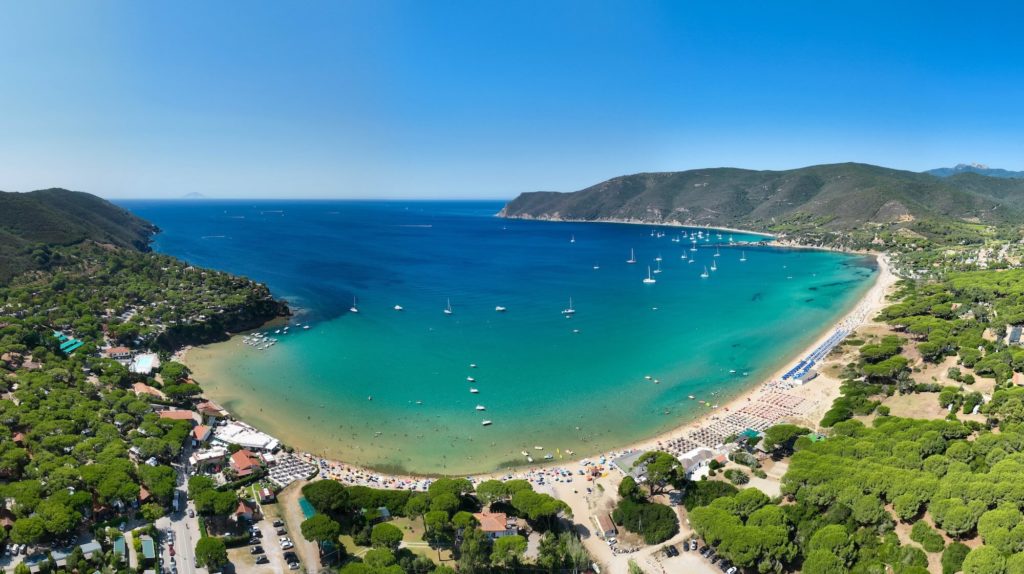
Lacona is a small seaside village overlooking the wide gulf of the same name on the south side of Elba. The staff of Hotel Giardino – a family‑run hotel nestled in a pine park just a few steps from Lacona’s long ribbon of golden sand – wrote this guide to answer a common question from guests: “Which beach clubs are there in Lacona?” To answer comprehensively, the article becomes a full tourist itinerary, describing the hotel and the surrounding territory, the beach clubs, nature, activities and points of interest that make Elba a unique destination . Throughout the guide you will find historical and natural insights, practical tips, Q&As, summary tables and curiosities. The aim is not only to provide technical information but also convey the atmosphere of a place where simple hospitality blends with the unspoilt beauty of the coast . Lacona’s beach – almost 1.2 km long and second only to Marina di Campo – retains its dunes with their perfumed sea lilies; the sandy seabed slopes gently, offering safety to families and bathers .
Hotel Giardino: Our Ideal Starting Point
Structure and park
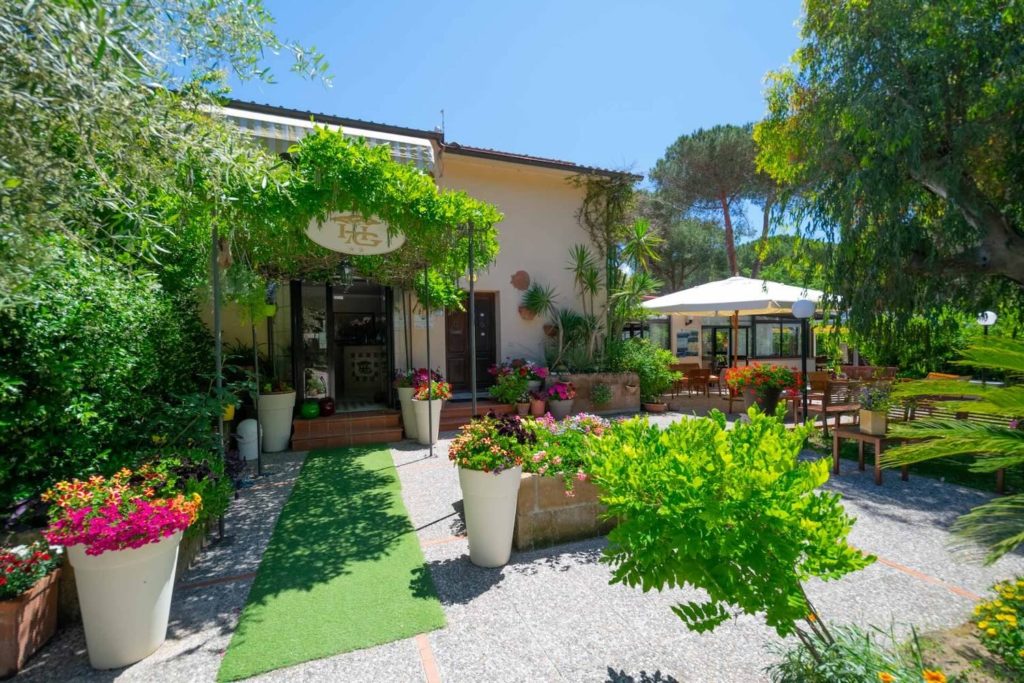
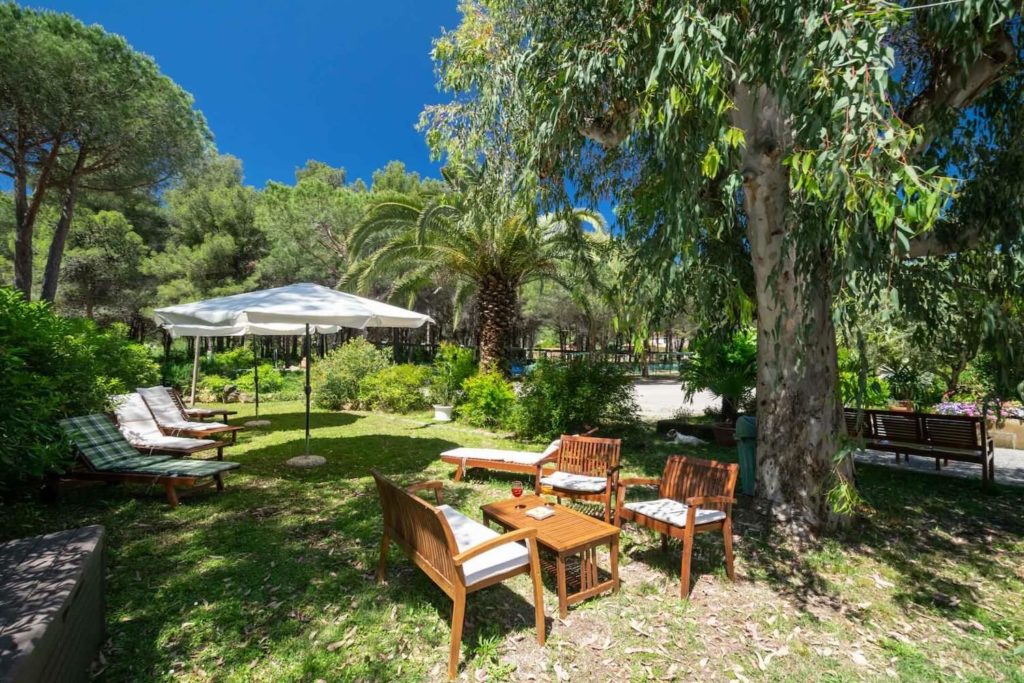
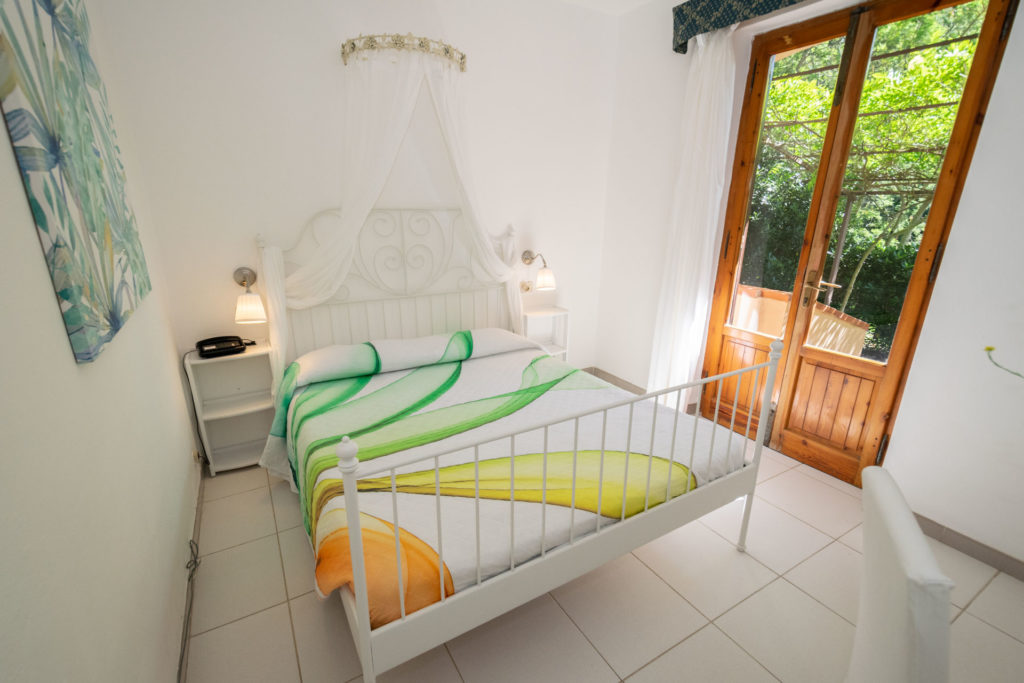
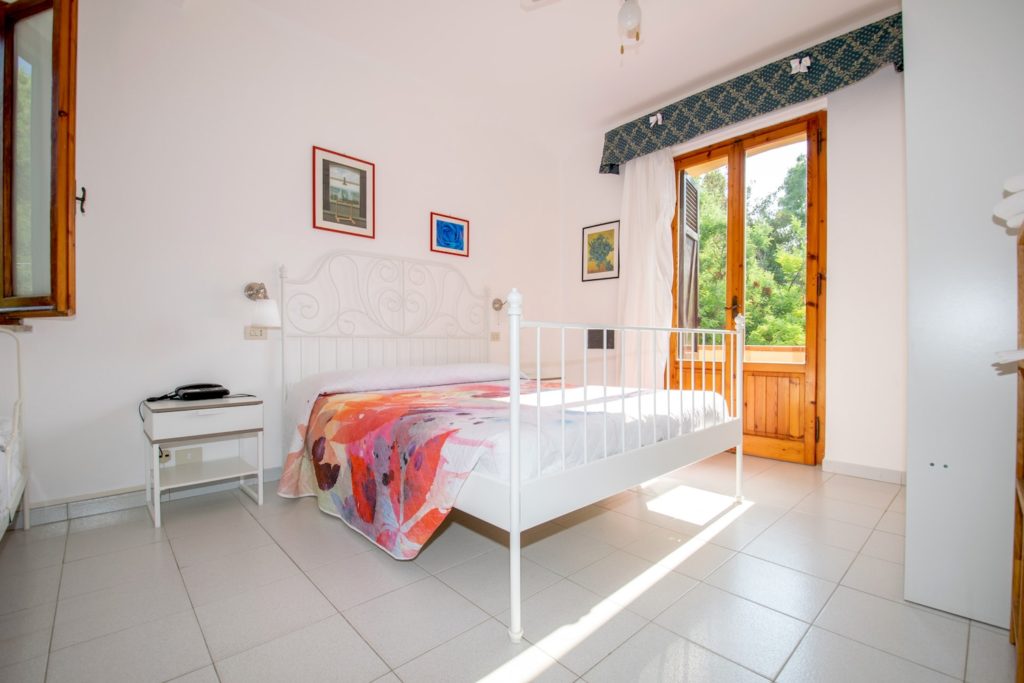
Hotel Giardino began as a small family‑run property and has grown without losing the authenticity and warmth typical of Elba. It lies in a 30 000 m² green lung of pines, holm oaks, oleanders and Mediterranean plants . The three lodging units are scattered within this park, each with few rooms to guarantee tranquillity and always provide a shady corner for relaxation . Stone paths connect the rooms to the reception, restaurant and bar; the garden includes a small playground, ping‑pong tables and a table‑football game . The location is strategic: in the centre of Lacona’s gulf, about 100 m from the main beach, linked by a dirt path through a protected dune area . Guests enjoy a shaded, numbered and free car park and can easily explore the island by car, bike or on foot along the trails leading to Monte Tambone and Capo Stella .
Rooms and services
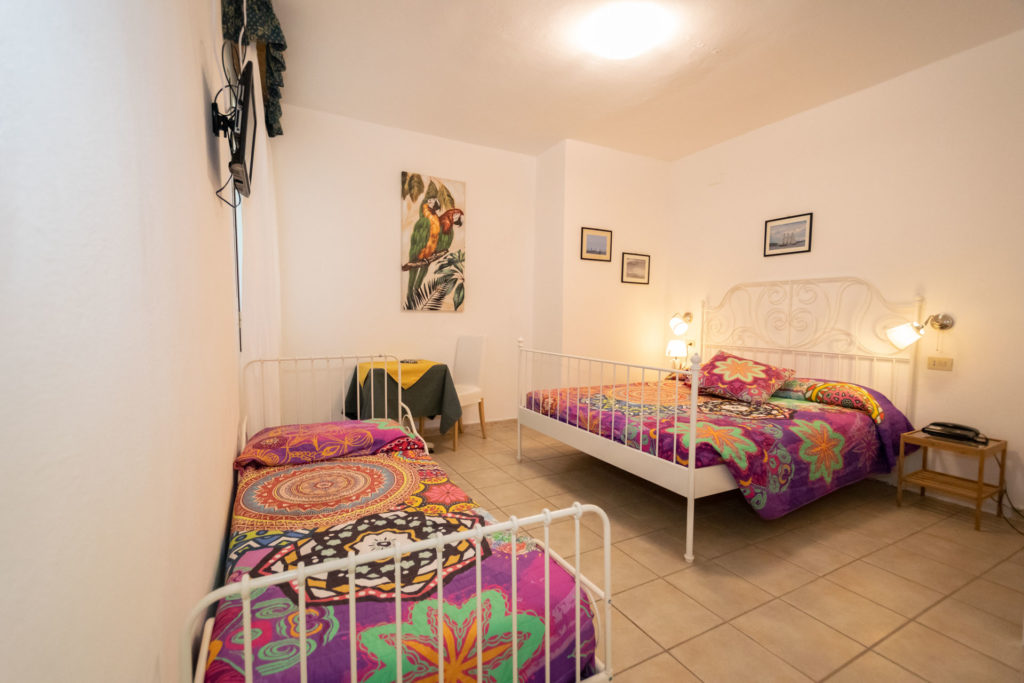
The rooms are simple yet equipped with everything needed for a seaside holiday: private bathroom with shower, satellite TV, telephone, safe, air conditioning and Wi‑Fi . Some rooms have balconies, patios or small gardens for reading or hanging towels . The décor recalls Elba’s earthy colours with light wood and natural fabrics . The reception is open from early morning until late evening, and the staff happily advise on excursions, reservations and curiosities . Free Wi‑Fi is available in common areas, and the hotel offers a bike and sports equipment store, laundry on request, ferry booking with discounted rates and information about diving centres and boat rental .
Hospitality and cuisine
Cuisine is central to Hotel Giardino’s hospitality. Breakfast features a rich buffet of homemade cakes, fresh bread, jams, honey, cereals and fruit, accompanied by hot drinks and juices . For lunch and dinner, the chef prepares Tuscan and Elban dishes based on fresh fish, meat and local vegetables . When the weather allows, outdoor barbecues are organised under the stars . Menus can be customised for children and guests with intolerances or allergies . The dining room has large windows facing the park, and in summer it is possible to eat on a shaded terrace . The staff delight in celebrating anniversaries and birthdays with surprises and cakes, making guests feel at home while still enjoying the convenience of a well‑organised structure .
Activities and services at the hotel
Beyond beach relaxation, the hotel offers activities within its park or nearby. The garden includes a playground, ping‑pong and table football . The hotel organises live‑music evenings, tastings of local products and cooking lessons (e.g., learning to bake schiaccia briaca, a local sweet bread) . Guests can book guided trekking excursions on trails around Monte Tambone or join mountain‑bike tours; many marked paths through holm oak woods and Mediterranean scrub start a few kilometres away . The hotel collaborates with diving centres that organise outings to the most beautiful sites in southern Elba . Facilities for families include high chairs, changing tables and an indoor play area, while pet owners will find a dedicated area for animals and information on dog‑friendly beaches .
Strategic position and how to reach us
Hotel Giardino lies in the heart of the gulf of Lacona, surrounded by nature yet only around 100 m from the main beach . A comfortable path through the dunes leads guests directly to the sand . Portoferraio’s port is about 15 minutes away by car; follow signs to Porto Azzurro and then Lacona. Marina di Campo and its airport are 10 km away, while Capoliveri and Porto Azzurro can be reached in 10–15 minutes . The hotel offers discounted ferry tickets and advice on planning the crossing . Thanks to its central position, day trips to the island’s main towns, mines, medieval villages and coastal paths are easy .
The Beach of Lacona
General description
Lacona is a large sandy beach stretching for almost 1 200 m – the island’s second longest after Marina di Campo . Facing south and embraced by the Capo Stella promontory to the east and Capo Fonza to the west, the beach’s fine golden sand and gently sloping seabed make it perfect for families . The first section consists of sand dunes, a rare and precious habitat in insular Tuscany . Behind the dunes grows Mediterranean scrub with junipers, psammophilous plants and the fragrant sea lily . The area forms part of the Tuscan Archipelago National Park, which works to conserve the dunes and protect flora . Geologically, the beach is a deposit of sand from the granite rocks of Monte Capanne and Monte Tambone; offshore, sandy bottoms give way to rocks and meadows of Posidonia oceanica, attracting colourful fish and molluscs . On clear days the silhouettes of Montecristo, Pianosa and the Tuscan coast appear on the horizon . The southern exposure ensures pleasant temperatures from May to October, and while there are beach clubs, large areas remain free for those wanting a wilder experience .
The dunes and the sea lily
Lacona’s dune system is the archipelago’s last intact sandy habitat. The dunes store sand and protect the beach from erosion, sheltering subterranean water layers . The vegetation displays a typical ecological succession: annual species such as sea rocket and sand stock, followed by perennial grasses like marram, then juniper, mastic and santolina, and in damp depressions reeds and rushes that attract migratory birds . The sea lily (Pancratium maritimum) is Lacona’s symbolic flower. This bulbous perennial grows up to 50 cm and produces perfumed white flowers in late summer; its floating seeds are dispersed by the sea and wind . Because it thrives only in untouched dune environments, it is protected; seeing one bloom between sand grains highlights the fragility of the ecosystem . The National Park’s “Resto con LIFE” project has restored and protected the dunes through replanting and controlled pathways, and visitors must respect fenced areas and use wooden walkways .
Services and accessibility
The beach offers several structures providing bars, restaurants, equipment rental, sailing schools and diving centres . Lacona is partly free and partly equipped; free zones include an area for dogs. Wooden walkways and the flat terrain make access easy even for people with reduced mobility . Parking (both free and paid) is located along Viale dei Golfi, allowing convenient access . The main beach clubs – Bagni Orano, Lacona Beach Club and Tortuga Beach Club – each have their own style: some offer entertainment and sports, others focus on tranquillity and family services, while others have an ethnic atmosphere with straw parasols . The following sections describe them in detail, with summary tables and frequently asked questions.
Bagni Orano
Description
Bagni Orano is Lacona’s most traditional beach establishment. Located on the central stretch of sand, it faces the widest arc of shoreline; one side overlooks the gentle hills of Capo Stella, the other the silhouette of Capo Fonza, with Montecristo seemingly floating on the horizon . Run by a local family for generations, the club sits behind the dune system and has a reserved parking area so guests do not have to cross the pinewood with their beach gear . The atmosphere retains the charm of the 1960s, when Lacona was first discovered by tourists .
Services offered
The establishment offers a wide range of services :
- Umbrella and chair rental: numbered spaces allow guests to reserve a spot for the entire holiday .
- Lifeguard service: trained lifeguards and a watchtower guarantee safety .
- Cabins, showers and toilets: cabins with lockers, hot and cold showers and clean toilets .
- First aid and play area: a small infirmary and children’s playground with swings and slides .
- Storage for toys and inflatables: safe storage for beach toys and inflatables .
- Bar, restaurant and pizzeria: fish specialities, pizza and snacks, with artisanal ice cream, drinks and aperitifs .
- Wi‑Fi and shuttle service: free Wi‑Fi and a boat shuttle for anchored vessels .
The shallow sandy seabed and lifeguards ensure a safe environment for children, while pedal boats and canoes can be rented for exploring nearby waters .
Frequently asked questions about Bagni Orano
- Is Bagni Orano suitable for families? Yes – shallow waters, lifeguard service, a play area and cabins make it ideal for families .
- Can you snorkel near the establishment? Yes – just beyond the sandy seabed are Posidonia meadows and rocks with fish and molluscs; bring a mask and fins .
- Does the establishment have parking? Yes – there is a reserved and free car park for clients .
- Are pets allowed? Animals are allowed in designated areas, provided they are accompanied and follow local regulations .
Summary of Bagni Orano services
| Service | Description | Notes |
|---|---|---|
| Umbrellas and chairs | Daily or weekly rental, numbered spots | Excellent spacing |
| Lifeguard | Trained lifeguards and watchtower | Safety guaranteed |
| Cabins and showers | Lockable cabins; hot and cold showers | Well maintained |
| Restaurant and bar | Fish dishes, pizza, snack bar | Handmade produce |
| Play area and infirmary | Children’s area; first aid room | Perfect for families |
| Pedal boat/canoe rental | Tours along the coast | Snorkelling recommended |
| Wi‑Fi and boat shuttle | Free connection; shuttle to anchored boats | Exclusive service |
Lacona Beach Club
Description
Lacona Beach Club is a modern and dynamic establishment combining relaxation and fun. Located on the eastern side of the beach, it occupies a long section with well‑spaced umbrellas, green areas and a solarium . Managed by the cooperative “Elba in Love,” the club caters to families, couples and groups of friends who want comfort . Natural materials such as wood and straw blend with modern structures; a large garden provides hammocks under pines, picnic tables and relaxation spaces . The bar and restaurant overlook the beach and serve wood‑fired pizzas, salads, fresh fruit and cocktails at lunch and dinner . Evening fish barbecues, parties and live music are organised, and the club follows a plastic‑free philosophy by using compostable tableware and promoting recycling .
Services offered
Lacona Beach Club is renowned for its variety of services :
- Umbrellas and chairs: various types of spots, from traditional umbrellas to elegant bamboo huts, with ample spacing to ensure privacy .
- Cabins and showers: numerous cabins with hot and cold showers; always clean toilets .
- Bar and restaurant/pizzeria: diverse culinary offerings including fish dishes, pizza and cocktails .
- Mini club and entertainment: daily activities for children with games, creative workshops and baby dance; afternoon entertainment for adults such as bocce tournaments, yoga lessons and aqua gym .
- Beach sports: fields for beach volleyball and bocce; organised tournaments for guests .
- Nautical equipment rental: pedal boats, surfboards, canoes, kayaks, stand‑up paddle boards and small boats; windsurfing and sailing are available, and boards can be rented with an instructor .
- Accessibility for disabled guests: accessible paths, specially equipped bathrooms and beach chairs; staff are trained to assist .
- Free Wi‑Fi and games area: fast internet throughout the area and the possibility to borrow books and board games .
- Private parking: a large shaded car park for guests . Environmental sustainability is central: the club uses renewable energy, promotes beach cleaning and organises eco‑days .
Frequently asked questions about Lacona Beach Club
- Is the club suitable for children? Absolutely – the mini club and dedicated activities let children have fun while parents relax .
- Can I practise water sports? Yes – the club rents kayaks, canoes, windsurf boards, SUPs and boats, and offers windsurf courses .
- Is there entertainment for adults? Yes – beach volleyball tournaments, yoga lessons and musical evenings are organised .
- Is it accessible to people with reduced mobility? Yes – there are walkways, adapted bathrooms and beach chairs .
- Can I bring my dog? Animals are allowed in certain zones and in the garden, provided they are on a leash and follow hygiene rules .
Summary of Lacona Beach Club services
| Service | Description | Note |
|---|---|---|
| Umbrella spots | Traditional umbrellas and bamboo huts spaced far apart | Ensures privacy |
| Bar and restaurant | Pizzeria, fish cuisine, cocktail bar; evening barbecues | |
| Mini club | Children’s activities and creative workshops | |
| Adult entertainment | Tournaments, yoga, aqua gym, musical evenings | |
| Beach sports | Beach volleyball, bocce, rental of SUP, surfboards, canoes, boats | |
| Accessibility | Walkways, equipped bathrooms and beach chairs for disabled guests | |
| Eco‑friendly | Use of compostable materials and beach‑cleaning campaigns |
Tortuga Beach Club
Description
Tortuga Beach Club is the newest establishment in Lacona and is known for its ethnic, boho style. Situated along Via del Moletto on the south‑western side of the beach, it features straw and natural wood umbrellas, colourful mattresses and a relaxed atmosphere reminiscent of tropical beaches . Open from June to September, the club is aimed at guests who want carefree days of sun, sea and sunset aperitifs . A young and dynamic team attends to every detail; guests appreciate the spotless environment, the kindness of the staff and the beauty of the location . A paid car park near the road and walkways lead directly to the reserved section of beach .
Services offered
- Umbrellas and chairs: rows of straw umbrellas and colourful loungers create an inviting setting to read or sunbathe .
- Cabins and relaxation area: wooden cabins are meticulously maintained, with a relaxation area offering sofas and hammocks .
- Bar with aperitifs and cocktails: exotic drinks, fresh fruit juices and gourmet aperitifs; at sunset the atmosphere comes alive with soft music .
- SUP and canoe rental: guests can rent paddleboards and canoes to explore the coast between Capo Fonza and Laconella’s cliffs .
- Wi‑Fi: connectivity for those wishing to work remotely by the sea .
Frequently asked questions about Tortuga Beach Club
- What is the club’s style? It has an ethnic look with straw umbrellas and a boho atmosphere, reminiscent of tropical beaches .
- Are there sports activities? Yes – SUP and canoe rentals allow guests to explore nearby coves .
- Is parking free? No – the club offers a paid car park near the entrance .
- Does the club host events? Yes – aperitifs with DJ sets, themed parties and live music evenings are organised; check locally for schedules .
Summary of Tortuga Beach Club services
| Service | Description | Source |
|---|---|---|
| Umbrellas and loungers | Ethnic straw umbrellas and colourful loungers | |
| Cabins | Wooden cabins with a relaxation area | |
| Bar & aperitifs | Exotic drinks, juices and soft music at sunset | |
| SUP/Canoe rental | Paddleboards and canoes for coastal exploration | |
| Parking | Paid parking adjacent to the club | |
| Wi‑Fi | Connection for remote working |
Other Beaches Nearby
Lacona is not the only beach in the area; nearby coves and beaches are worth visiting to diversify your holiday or discover quieter corners.
Laconella
Just over 1 km from Lacona, beyond Capo Fonza, Laconella is a small gem. About 200 m long, it is protected by two promontories that shelter it from winds and give the water a Caribbean appearance . The sand is fine and golden with some pebbles on the right; the clear water slopes gently and is perfect for children and snorkellers . On Punta della Contessa, marking the south end, rocks shaped like a V are perfect for dives and there are ruins of a Second World War anti‑aircraft battery . There are no services – bring water and food. Parking is limited; it is better to leave the car in Lacona and walk the panoramic path through fields and scrub .
Margidore
Extending about 750 m at the foot of Capo Stella, Margidore comprises mostly smooth pebbles with sandy sections . The sea is deeper than at Lacona yet clear and rich in fish. A small harbour on the right has a slipway and crane for launching boats, while most of the beach remains free . Margidore is ideal for those seeking peace; although close to Lacona, it is less crowded and offers views of the Calamita peninsula and the Gemini islets . Services include a bar‑restaurant, canoe, pedal boat and surf rental, a windsurf school and a jetty for mooring boats. A paid car park with a walkway makes it accessible for people with disabilities .
Other beaches and coves
Within a few kilometres you will find numerous other beaches: Acquarilli and Madonna delle Grazie to the east offer cliffs and deep water; Golfo Stella hides semi‑secret coves reachable by boat; Lido di Capoliveri and Felciaio are perfect for families . The municipality of Capoliveri boasts dozens of coves, some equipped with bars and restaurants, others wild and reachable only on foot or by sea .
Summary table of nearby beaches
| Beach | Length/Characteristics | Services | Directions |
|---|---|---|---|
| Laconella | 210 m; fine sand and pebbles; crystal clear, shallow water | None – bring everything you need | Panoramic path from Lacona |
| Margidore | 750 m; smooth pebbles; deep sea | Bar/restaurant, rental of canoes, pedal boats, surf; windsurf school; jetty | Paid car park with walkway |
| Lido di Capoliveri | Wide sandy beach; shallow water | Beach clubs, bars, restaurants | A few kilometres east |
| Acquarilli | Mixed pebbles and dark sand; deep seabed | None; naturist area | Reachable by steep path |
| Felciaio | Small sandy cove with rocks | Sunbed rental, bar | Limited parking |
Excursions and Surroundings
A holiday in Lacona extends beyond the beach; Elba offers historic villages, mining sites, panoramic trails and cultural attractions. From Hotel Giardino’s central position, many destinations can be reached within minutes .
Capoliveri
Perched at 167 m on Monte Calamita, Capoliveri is a charming medieval village. Its narrow, winding chiassi open onto squares with bars, wine shops and artisan workshops, and offer spectacular views of the Golfo Stella and Piombino Channel . Founded as an agricultural and mining village, its economy once depended on magnetite and haematite mines . Visitors can see the Sea Museum with artefacts from the Roman shipwreck Ammaraggio and the Polluce wreck, the 10th‑century church of San Michele, the Sanctuary of the Madonna delle Grazie with a miraculous 16th‑century fresco, and the ruins of the 17th‑century Spanish fortress Forte Focardo . Events include the Grape Festival in October (with parades and tastings) and the Festival of the Innamorata on 14 July, re‑enacting a romantic legend with torches and fireworks . Naturalistic trails depart from the village for hiking or mountain biking along the Calamita coast .
Portoferraio
Portoferraio is Elba’s capital and main port for ferries from Piombino. Founded by Cosimo I de’ Medici as Cosmopoli in the 16th century, it is now an open‑air museum of Renaissance architecture and fortifications . Massive Medici walls and forts (Stella, Falcone, Linguella) guard the historic centre and offer views of the bay . A visit should include Napoleon’s residences – Villa dei Mulini and Villa San Martino – with original furnishings , the Historical Archive and archaeological museum, and baroque churches like Santo Stefano alle Trane and San Giovanni Battista . The Torre del Martello, a polygonal tower defending the harbour, is another highlight . Portoferraio is also a starting point for boat trips to northern beaches like Sansone, Capo Bianco and La Sorgente; walking along the waterfront at sunset offers romantic views .
Porto Azzurro
Formerly called Portolongone, this picturesque village on the eastern coast was fortified by Philip III of Spain with the mighty Fort San Giacomo in 1603; today the fort houses a penitentiary and can be admired from the waterfront . The main square, Piazza Matteotti, is one of the largest and most scenic on the island; under its porticoes are ice‑cream parlours, shops and restaurants facing the tourist harbour . Attractions include the Church of Madonna del Carmine, the Sanctuary of Madonna di Monserrato (1606) and the small promontory of San Giacomo. Nearby beaches like Barbarossa, Reale and the Terranera lagoon provide options for swimming . Annual events include the feast of San Giacomo on 25 July and the feast of Madonna di Monserrato on 8 September .
Marina di Campo (Campo nell’Elba)
The capital of the municipality of Campo nell’Elba, Marina di Campo sits on a bay with the island’s longest beach (1.3 km) . The seafront blends tradition and modernity, with artisanal shops, ice‑cream parlours and bars; the old town and Pisan tower recall the area’s defensive heritage . Behind the beach is a fragrant pine forest ideal for picnics . Inland, the hill villages of Sant’Ilario and San Piero boast ancient granite quarries, Romanesque churches and panoramic views . Trails lead to the Monte Perone plateau where prehistoric villages once stood and endemic flora thrives; nearby beaches Cavoli and Fetovaia are famous for their golden sand and turquoise water and attract many young visitors .
Trekking, mountain biking and water sports
Elba is a paradise for nature lovers and sports enthusiasts. From Hotel Giardino several marked trails begin: one ascends to the 377 m peak of Monte Tambone, offering 360° views over the Lacona gulf, Marina di Campo and the east coast . Another follows the Capo Stella ridge through pines to belvederes overlooking the Gemini islets and Capoliveri . Mountain‑bike fans can ride the Capoliveri Bike Park trails; some routes, like the Legend Cup, cross old mines and ancient forests . Diving centres in Lacona and Capoliveri organise dives in Posidonia meadows and to submerged wrecks, with courses for beginners and advanced divers . Kayak and canoe rental allows exploration of coves accessible only from the sea, while windsurfing and kitesurfing exploit afternoon sea breezes . Many establishments organise boat excursions to Pianosa island and night trips for stargazing .
Calamita mines and other experiences
On the Calamita promontory near Capoliveri are Elba’s most important magnetite mines. Open‑pit quarries can be visited through guided tours showing the island’s industrial history and enormous terraces of dark rock . Visitors can explore various mining sites (Albaroccia, Nuova Zona, Macei Alto, Polveraio) where magnetite, limonite and haematite were extracted . Lower sectors such as Vallone and Punta Rossa have waste dumps that formed the white Cannello beach . Today the mines are a geological and landscape attraction; the “Old Workshop” museum illustrates miners’ lives . In the wider area visitors can tour wineries producing Aleatico and Procanico wines, and farm stays offer tastings of olive oil and wine . The Old Railway path leads from the village to the mines through woods and tunnels and can be walked or cycled .
Events and traditions
Elba’s event calendar is rich. Beyond the festivals already mentioned in Capoliveri and Porto Azzurro, notable events include the Capoliveri Running Race (May), an off‑road running race through woods and dirt roads ; the Capoliveri Legend Cup (May/June), an international mountain‑bike race on the Bike Park trails ; the ElbaMan Triathlon (September) at Marina di Campo ; and the Cavatore Festival and Grape Festival with historical parades, tastings and shows . Taking part in these events lets visitors experience Elba like locals.
Frequently asked questions about itineraries and surroundings
- How far is Capoliveri from Lacona? About 10 km; it can be reached in 15 minutes by car along a scenic road through vineyards and olive groves .
- What are the opening times of the Calamita mines? Times vary by season; tours are usually available in the morning and afternoon. Book in advance at the Old Workshop Museum .
- Is a car necessary to visit the surroundings? Not essential but recommended. Buses connect major towns but have limited schedules; cars or scooters make it easier to reach remote beaches and villages .
- Where can I taste local cuisine? Besides the hotel restaurant, nearby villages have taverns and wine bars serving traditional dishes such as stoccafisso alla riese, cacciucco elbano, schiacciunta and honey of corbezzolo .
- Are there easy trekking routes? Yes – the paths to Laconella and along Capo Stella are suitable for everyone; more challenging hikes include Monte Tambone and the Monte Perone trails .
Conclusion of the Main Guide
The guide concludes by summarising the information provided about the beach clubs (Bagni Orano, Lacona Beach Club, Tortuga Beach Club) and the experience offered by Hotel Giardino. Lacona is presented as more than just a beach: its dunes and sea lilies create a precious ecosystem, it is a springboard for exploring nearby coves, and it sits at the crossroads of landscapes stretching from Capoliveri to Portoferraio and Porto Azzurro to Marina di Campo . Sports activities, cultural excursions, traditional events and gastronomic experiences make a holiday on Elba unique and varied. The staff emphasise their availability for personalised advice and invite readers to discover Lacona’s magic .
Deeper Insights: History and Cultural Heritage of Lacona and Elba
Elba’s history is layered and fascinating. From antiquity, the island was known for its rich iron and granite deposits; the Etruscans and later the Romans exploited the mines and built settlements along the coasts . Lacona’s sheltered position made it a landing and trading point; archaeological documents show that farmhouses and vineyards were built inland . In the 16th century the island became contested between Spain, the Papal State, the Principality of Piombino and the Grand Duchy of Tuscany; Cosimo I de’ Medici founded the fortified city of Cosmopoli (Portoferraio) with bastions that made the island a bulwark against Ottoman pirates . Portolongone (Porto Azzurro) was fortified by the Spanish with Fort San Giacomo . Lacona remained a rural village tied to viticulture and sheep farming; from the heights of Capo Stella and Capo Fonza lookout posts watched the sea for danger . The island’s most famous period was Napoleon’s exile (1814–1815). Napoleon transformed the island into his personal principality, restoring Villa dei Mulini and Villa San Martino, improving infrastructure and organising a refined court . New roads benefited Lacona by facilitating access and increasing wine and oil trade . After the Congress of Vienna the island returned to the Grand Duchy of Tuscany and later joined the Kingdom of Italy; the closure of mines in 1981 spurred tourism development . Today Medici fortifications, Napoleonic buildings and ancient villages narrate centuries of history .
Nature of Lacona: Flora and Fauna
Lacona’s environment is dominated by Mediterranean scrub. Beyond the dunes and sea lilies, the area around the hotel showcases maritime pine, stone pine, holm oak, mastic, Juniperus phoenicea and rockrose . In spring the shrubs are coloured yellow, pink and white; in summer rosemary and thyme perfume the air. Gnarled pines provide shade and shelter birds such as green woodpeckers and jays; higher on Monte Tambone mixed woods with strawberry trees and heathers thrive . Wild rabbits and hares graze at dawn; birdwatchers may spot cormorants, yellow‑legged gulls, kingfishers and the rare peregrine falcon that nests on the cliffs of Capo Fonza . The Gulf’s waters host shoals of salema and amberjack, and dolphins occasionally follow fishing boats . Thousands of butterflies, including the striking Charaxes jasius (the strawberry‑tree butterfly), flutter through the area . The National Park imposes strict rules: do not pick plants or flowers, light fires on the beach or leave rubbish; the 2014 dune restoration project removed invasive species and replanted sea lilies and sea holly .
Gastronomy of Elba: Flavours and Traditions
Elba is renowned not only for its beaches but also for its gastronomy, which blends maritime and rural traditions with Tuscan influences. Among the seafood dishes are cacciucco dell’Elba, a fish stew similar to that of Livorno but with cherry tomatoes and toasted bread ; polpo all’elbana, octopus cooked with wine and potatoes; sarde ripiene, stuffed sardines with bread, garlic, parsley and local cheese; baccalà riese, dried cod with tomatoes, olives and capers; and fresh ricci di mare eaten on the beach . In spring, grilled palamito (bonito) is served . Rural cuisine includes pasta with wild herbs, gurguglione (a stew of vegetables), wild boar stewed with myrtle berries, goat cheeses and sweets like schiaccia briaca (Aleatico wine bread with pine nuts and raisins) and corollo (a round sweet bread from Portoferraio) . Local wines feature Aleatico and Procanico (Trebbiano), along with Ansonica and Moscato, and extra virgin olive oil produced from Leccino and Frantoio olives is fruity and slightly spicy . Gastronomic festivals celebrate these specialities, such as the Fig Festival in San Piero and the Grape Festival in Capoliveri .
Practical Tips for Visiting
Planning a holiday in Lacona requires a few considerations :
- Choose the right period: High season runs from mid‑June to late August, when the beach is lively and events abound; May, June, September and October offer more tranquillity, pleasant temperatures and lower prices; November–March is quiet but reveals the island’s wild nature .
- What to pack: Bring high‑SPF sunscreen, a wide‑brimmed hat, comfortable walking shoes and a lightweight backpack . Carry a reusable water bottle (fountains on the beach provide drinking water) , a beach towel, mask and fins for snorkelling, and a rain jacket in case of summer thunderstorms. For children bring beach toys, arm bands and sun cream; for pets take leashes, bowls and waste bags .
- Transport: Driving is the most convenient way to explore the island; book the ferry well in advance during high season . Alternatively fly to the airport at Marina di Campo or take the train to Piombino Marittima and board the ferry directly . Intercity buses connect Lacona to Capoliveri, Porto Azzurro, Portoferraio and Marina di Campo, but schedules are limited . Renting scooters or bicycles provides a sustainable option, though roads are often narrow and winding .
- Respect the environment: Do not litter, remove sand or shells from the beach, or walk on dunes and sea lilies . Use recycling bins and reduce plastic usage. Respect quiet hours, especially in July and August . Beaches are closed at night for safety .
Health and safety tips
Apply sunscreen frequently, wear sunglasses and stay hydrated by drinking plenty of water and eating fresh fruit . For snorkelling or diving, follow safety rules and rely on certified guides; do not walk on Posidonia meadows . When hiking, stick to marked trails, inform someone of your route and bring a charged phone and torch . The nearest pharmacy is 2 km away in Lacona, and the hospital is in Portoferraio . Don’t leave bags unattended on the beach and call 112 in case of emergency .
General frequently asked questions
- What is the best time to visit Lacona? July and August are lively, while May, June and September offer tranquillity and mild weather; October is perfect for hiking and wine tastings .
- Do I need to reserve an umbrella? Yes, especially in high season. Contact Bagni Orano, Lacona Beach Club or Tortuga Beach Club in advance .
- Are there shops and supermarkets? Lacona has a small supermarket, bakery, pharmacy, newsstand and souvenir shops. Larger shopping is available in Portoferraio or Campo nell’Elba .
- Where is the nearest pharmacy? Along the provincial road; for specialist medicines go to Portoferraio’s hospital .
- Are ATMs available? Yes – there is an ATM at the post office in Lacona; other ATMs are in Capoliveri and Marina di Campo .
- Can I pay by credit card at the beach clubs? Almost all accept cards, but carry some cash for small purchases or village festivals .
- Is it possible to drive onto the beach? No – beach access is by foot or shuttle; car parks are along the main road and near the clubs .
- Are there dog‑friendly beaches? Yes – Lacona has dedicated areas for dogs; other dog‑friendly beaches include Lido di Capoliveri and Fonza .
- Do I need a car to explore Elba? It is recommended. Public transport covers major locations but with limited schedules; a car or scooter is best for visiting remote coves .
- What activities are available for children? Beyond the beach and mini club at Lacona Beach Club, visit adventure parks, take glass‑bottom boat trips or the Elba Aquarium in Marina di Campo .
- Can I go up Monte Capanne? Yes – a cable car departs from Marciana, or you can hike along panoramic trails .
- Are there beginner mountain‑bike trails? Yes – the Capoliveri Bike Park offers routes of varying difficulty with bike rentals and guided tours .
- How can I reach Pianosa island? Boats leave from Marina di Campo and Portoferraio; access is regulated and limited to guided tours, so book well in advance .
- What documents are needed to travel with pets? Updated vaccination booklet and registration (for dogs) are required; on ferries, dogs must wear a muzzle .
- Are there archaeological parks to visit? Yes – Volterraio Castle near Marciana and Roman villas such as the Linguella in Portoferraio .
- What to do in case of bad weather? Visit museums, churches and mines or relax in the hotel’s library; many restaurants host indoor tastings .
- Are there food and wine tours? Yes – wineries and farms organise tastings of Aleatico, Procanico and local products; ask the reception for details .
- What time zone does Elba follow? The island follows Italy’s CET/CEST time zone .
Curiosities and legends
Elba is enriched by legends. One of the most romantic is the Legend of the Innamorata, celebrated on 14 July in Capoliveri. According to tradition, a young woman named Maria lost her lover Lorenzo in stormy waters and threw herself into the sea to save him; their spirits turned into the two rocks known as the Faraglioni. The festival re‑enacts this tragedy with a torchlit procession down to the beach and a boat symbolising the fishermen’s arrival . Another curiosity concerns Napoleon, who established a close relationship with the islanders during his exile. He enjoyed walking through the vineyards of San Martino and was captivated by the scent of Aleatico wine; he even set up a small theatre in Portoferraio for performances . Each summer, a historical re‑enactment of his landing features actors in imperial uniform . Montecristo island, visible from Lacona, is a strict nature reserve accessible to only a few hundred visitors per year and is famous as the setting of Alexandre Dumas’ novel The Count of Monte Cristo . Finally, due to Posidonia meadows, leaves and roots often wash ashore on Lacona and Margidore; these are not smelly algae but natural residues that protect the sand from erosion .
Suggested Itineraries for Families, Couples and Groups
Different travellers have different needs. The guide proposes ideas to customise your stay:
For families
Families will find a safe and well‑equipped environment in Lacona. Begin the day with breakfast at the hotel, then head to the beach; shallow waters let children play safely . Reserve an umbrella at Bagni Orano or Lacona Beach Club and enrol children in the mini club for creative workshops and team games . After lunch, take a trip to Laconella for snorkelling among the rocks, then enjoy gelato at the bar and finish with a stroll in the hotel’s park where you’ll find swings, slides and ping‑pong tables . Evenings can include pizza in one of Lacona’s pizzerias and a visit to the summer market; on other days visit the Elba Aquarium in Marina di Campo or the adventure park in Bagnaia .
For couples
Lacona is ideal for romance. Start with a leisurely breakfast on the terrace, then rent a kayak or SUP to explore the secluded coves of Capo Fonza . Stop in a Laconella cave for a picnic lunch, relax on the hammocks at Lacona Beach Club or walk along the dune trail photographing sea lilies . At sunset climb to the Capo Stella belvedere to watch the sun set behind the hills, then dine on fresh fish at a seaside restaurant . Cultural couples can spend an afternoon at the Napoleonic villas in Portoferraio and enjoy an evening concert in Capoliveri ; a dolphin‑watching boat trip will make the holiday unforgettable .
For groups of friends
Groups seeking fun will find beaches, sports and nightlife. Start with a beach‑volleyball match at Lacona Beach Club, then a bocce or ping‑pong tournament . Book a guided snorkelling excursion to Margidore and Felciaio’s cliffs and have lunch at the club’s bar . In the afternoon rent mountain bikes to ride the Capoliveri Bike Park trails or join a tour of the Calamita mines . Evening options include tropical cocktails at Tortuga Beach Club, dinner in a restaurant and nightlife in Porto Azzurro or Marina di Campo . In summer don’t miss beach parties and live concerts. For sporty friends, sign up for the Running Race or Legend Cup and enjoy the adrenaline .
Lacona in the rain
Although Elba enjoys a mild climate, rainy days do occur. Use them to discover the island from another angle: visit museums in Portoferraio (e.g., the National Museum of Napoleonic Residences) or the Sea Museum in Capoliveri; stroll under the arcades of Porto Azzurro for shopping and hot chocolate; or relax in the San Giovanni thermal baths . At the hotel, enjoy the library, order an herbal tea and listen to rain on the pines, or join a cooking class to learn dishes like schiaccia briaca or cacciucco .
How to Reach Elba and Lacona
Reaching Elba is simple. Most visitors take ferries from Piombino to Portoferraio, Cavo or Rio Marina; companies such as Toremar, Moby Lines and Blu Navy operate year‑round, with crossings lasting about one hour . In high season, book early, especially if bringing a car. From Portoferraio, follow directions to Porto Azzurro and Lacona; after about 15 km you will find the turn to the hotel . Without a car you can use buses to Lacona, but check schedules with Autolinee Toscane . Travellers from northern Italy can take regional trains to Piombino Marittima and board the ferry directly . Alternatively, fly to Marina di Campo airport (served by flights from Milan, Pisa and some European cities) and reach Lacona by taxi or bus in about 20 minutes . Those flying to Pisa or Florence can rent a car and drive to Piombino in two hours . Ferries also link Elba with Corsica and Sardinia, allowing longer Mediterranean itineraries . Some companies offer combined ferry and hotel packages – contact Hotel Giardino for information .
Seven‑day Itinerary at Lacona
To help plan a stay, the article proposes a seven‑day itinerary combining relaxation, culture, sport and gastronomy (adaptable to personal interests) :
- Day 1: Arrival and settling in – Drive from Portoferraio to Lacona, check in at Hotel Giardino and relax in the park. In the afternoon walk along the dune path to the beach and swim; enjoy an aperitif at the bar and dine on fresh fish at the hotel .
- Day 2: Relax and discovery of Lacona – After breakfast spend the morning at one of the beach clubs; have lunch with pizza or salad at the bar and rent a pedal boat to explore Capo Fonza. In the afternoon attend a cooking course or join a snorkelling excursion; at sunset climb to the Capo Stella terrace and finish the evening strolling through Lacona .
- Day 3: Sport and adventure – Start with yoga or a beach‑volleyball tournament at Lacona Beach Club, then rent a mountain bike and ride the trails in the Capoliveri Bike Park. After a simple lunch, visit the Calamita mines and end with a massage or aperitif before dining in Porto Azzurro .
- Day 4: Cultural excursions – Spend the morning in Portoferraio touring the Napoleonic villas and Medici forts; have lunch in the old town and, weather permitting, take a ferry to Pianosa for a guided afternoon excursion. Return to Lacona for dinner .
- Day 5: Nature and trails – Hike to Monte Tambone for panoramic views, then cool off with a swim at Laconella. In the afternoon visit a Capoliveri winery for Aleatico and Procanico tastings and possibly attend an outdoor concert in the evening .
- Day 6: Sea and traditions – Take a boat trip to Sansone, Capo Bianco or La Sorgente for turquoise waters; return for an ethnic aperitif at Tortuga Beach Club. Attend a ceramics workshop in Capoliveri and in the evening participate in a local festival such as the Innamorata or Grape Festival .
- Day 7: Relax and departure – Shop for souvenirs (Aleatico wine, corbezzolo honey, handmade ceramics), then spend final hours on the beach under the pines. Have a light lunch at the hotel and gather tips for the return journey . This itinerary is just an example – guests are encouraged to let curiosity guide them and ask the staff for personalised suggestions .
Acknowledgements and Final Notes
The authors express gratitude to everyone who contributed to this guide – the families of Bagni Orano, friends at Lacona Beach Club and Tortuga Beach Club, vintners and fishermen who supply fresh produce, and especially the guests whose curiosity enriches knowledge . Thanks also go to the Tuscan Archipelago National Park for preservation efforts . The staff encourage readers to live Elba slowly, listen to the sea and birds, savour authentic flavours and respect the environment so that everyone can continue to enjoy this natural paradise . They look forward to welcoming guests to Hotel Giardino to share more stories, itineraries and moments of happiness.