


P.S. For updated services and prices, please contact the individual business directly.
Welcome to our hotel: your base for exploring Elba
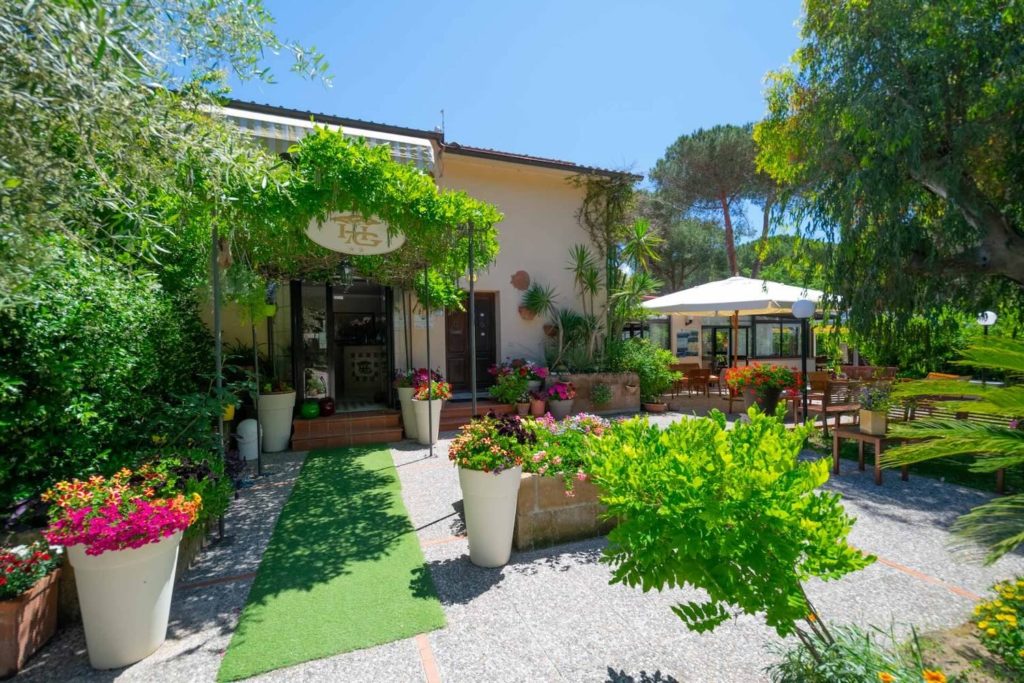
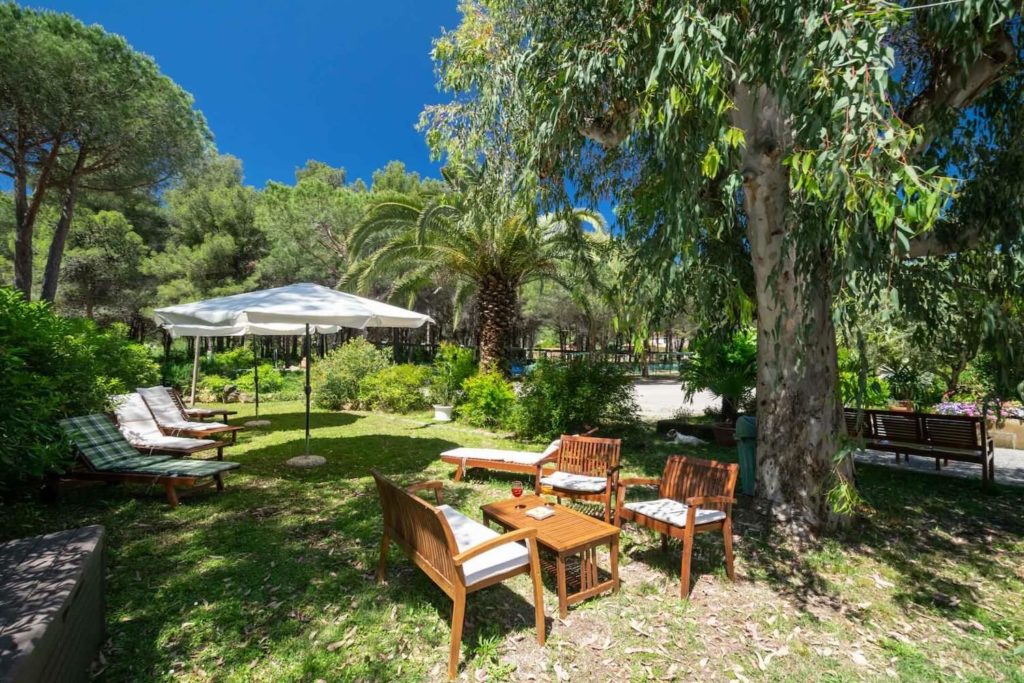
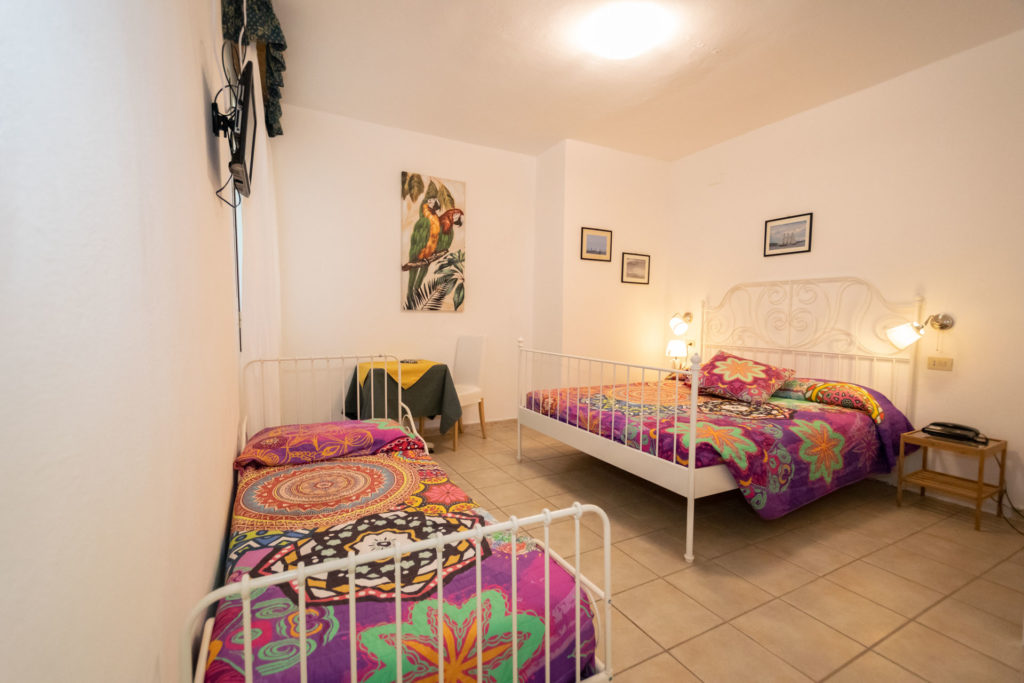
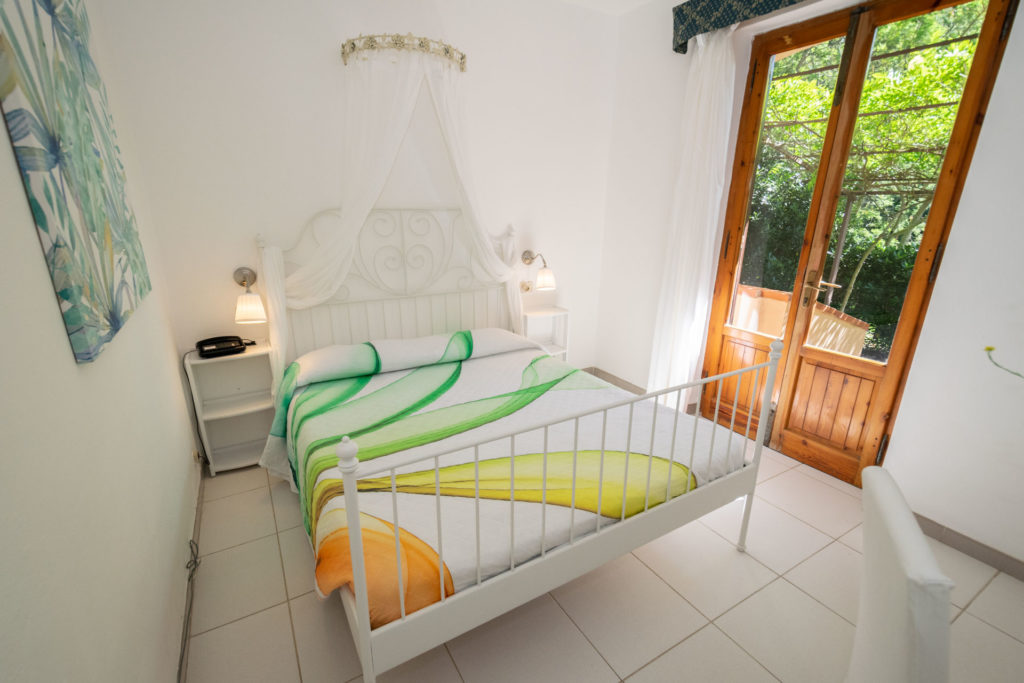
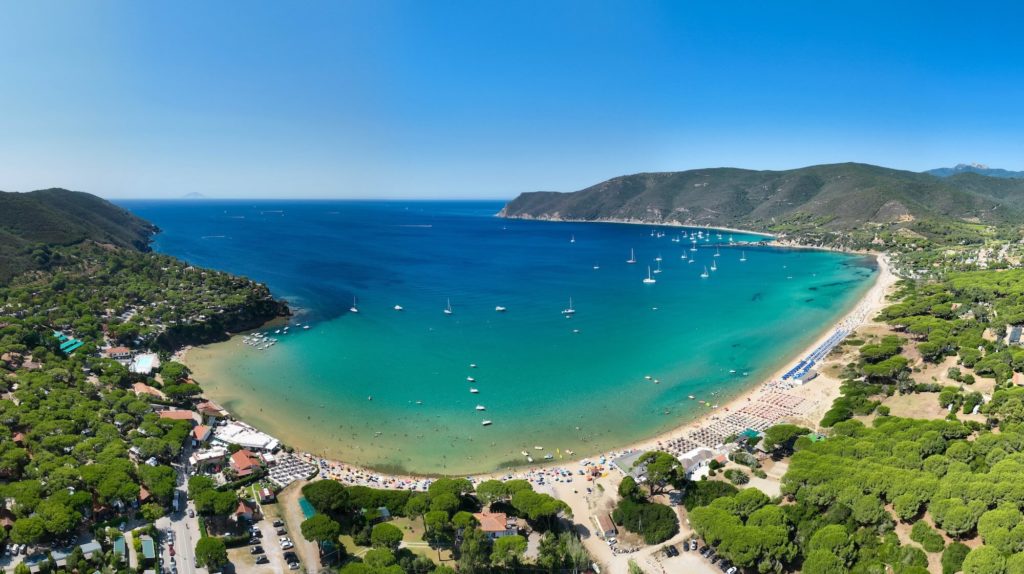
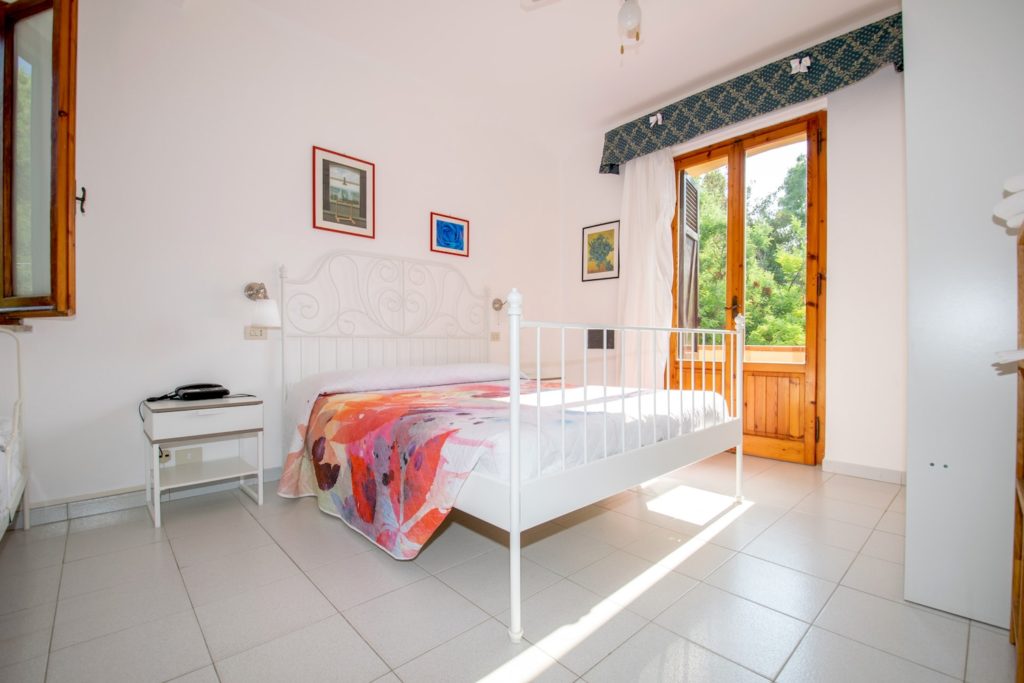
Hotel Giardino stands in the quiet hamlet of Lacona on the south coast of Elba. Surrounded by 35 000 m² of pine forest, the family‑run property offers a relaxing base a short walk from the long sandy beach of Lacona . Each room is equipped with air conditioning, a flat‑screen TV, a safe and a private bathroom; many have a balcony or direct access to the garden . Guests enjoy numbered parking, a children’s play area with table football and table tennis, free Wi‑Fi, a bar and a restaurant serving traditional Elban cuisine . At sunset you can savour aperitifs on the terrace or join a barbecue under the stars. Our staff know the island well and will be happy to suggest cultural itineraries, guided tours and tastings .
Introduction: the island of Elba and its museums
With 224 km² of land, Elba is the largest island of the Tuscan Archipelago National Park and the third‑largest Italian island . Just 10 km from the mainland, it is easily reached by ferry from Piombino and is home to about 35 000 inhabitants across seven municipalities . The landscape ranges from golden beaches and rugged cliffs to medieval villages and chestnut‑covered mountains; the highest peak, Monte Capanne (1019 m), offers 360° views across the archipelago and Corsica . This diversity attracted Etruscans, Romans, Pisans, Medici and French rulers, each of whom left forts, villas, mines and — later — museums . Although Napoleon Bonaparte’s 1814–1815 exile is well known, Elba’s history is far broader . Today the island’s museums cover archaeology, mining and mineralogy, maritime heritage, natural history and the Napoleonic period .
Getting to the museums from Hotel Giardino
Our hotel sits near the provincial road linking Portoferraio, Campo nell’Elba and Porto Azzurro. From our numbered car park you can reach the main museum areas quickly by car or scooter: Portoferraio (20 minutes), the mining towns of Rio Marina and Rio nell’Elba (40–50 minutes), Capoliveri (10–15 minutes), Marciana and Marciana Marina (one hour), or San Piero and Campo nell’Elba (30 minutes) . Traffic can be heavy in summer, so we recommend early starts and checking for mandatory bookings (especially for mine tours) . Leave the car outside historic centres such as Portoferraio and explore on foot .
General visiting tips
- Make reservations – Some museums require advance booking for guided tours or workshops, especially mining attractions like Ginevro or La Piccola Miniera .
- Check seasonal hours – Most museums open from Easter to October with reduced hours off season; weekly closures (e.g. Wednesday at the Linguella) are common .
- Look for combined tickets – Many sites offer passes covering multiple venues, such as the Rio Pass (museums and mining park in Rio) and the Cosmopoli Card for Portoferraio’s museums and forts .
- Activities for children – Most museums organise workshops and interactive displays. At La Piccola Miniera kids ride a mining train; the Museo del Mare and NAT‑LAB use digital screens and games .
- Combine culture and nature – Some tickets include access to parks or mines; take the opportunity to pair a museum visit with an outdoor excursion .
Summary of the main museums
| Category | Museum & location | Highlights |
|---|---|---|
| Archaeological and historical | Museo Archeologico della Linguella (Portoferraio) | Etruscan and Roman finds, relics from shipwrecks |
| Museo Civico Archeologico di Marciana (Marciana) | Prehistoric and medieval artefacts in a Pisan fortress | |
| Museo Civico Archeologico del Distretto Minerario (Rio nell’Elba) | Eneolithic to Roman objects and a mining section | |
| Museo Numismatico di Marciana (Marciana) | Medieval coins and minting tools | |
| Pinacoteca Foresiana (Portoferraio) | Art collection donated by Mario Foresi | |
| Biblioteca Foresiana (Portoferraio) | Napoleonic library and local archives | |
| Sea and navigation | Museo del Mare (Capoliveri) | Treasure and everyday objects from the wreck of the steamship Polluce |
| La Piccola Miniera (Porto Azzurro) | Reconstructed mine tunnel and mineralogical exhibits | |
| Mineralogical and mining | Museo dei Minerali dell’Elba e dell’Arte Mineraria (Rio Marina) | Rich mineral collections and a recreated mineshaft |
| Museo della Vecchia Officina (Capoliveri) | Historic workshop with machinery, infirmary and tours to open‑air mines | |
| Museo “Alfeo Ricci” (Rio nell’Elba) | Rare minerals such as prasio and magnetite | |
| MUM – Luigi Celleri Mineralogical Museum (San Piero) | Displays of quartz, tourmaline (elbaite) and granite working tools | |
| Miniere del Ginevro (Capoliveri) | Underground tours in Europe’s largest magnetite deposit | |
| Naturalistic and botanical | NAT‑LAB – Natural History Museum (Forte Inglese, Portoferraio) | Interactive exhibits on insects, animals and plants; uses tablets and LEDs |
| Orto dei Semplici Elbano (Rio nell’Elba) | Botanical garden preserving medicinal and local plants | |
| Napoleonic residences | Palazzina dei Mulini (Portoferraio) | Official residence of Napoleon with hall, library, gardens |
| Villa di San Martino e Galleria Demidoff (San Martino) | Summer villa and neoclassical gallery with Egyptian room and art |
Below you will find detailed descriptions of each museum, including opening hours, ticket information, frequently asked questions and advice from Hotel Giardino.
General questions
Why does Elba have so many museums?
Elba sits at a strategic point in the Tyrrhenian Sea. Villanovan and Etruscan peoples exploited iron deposits; the Romans built luxury villas and developed port trade; the Pisans and Medici fortified the island; and Napoleon’s short reign brought new public works . Each era left artefacts, coins, buildings and residences. The island’s geology is also remarkable: Elba is rich in magnetite, hematite and colourful tourmalines (elbaite), which explains the abundance of mineral and mining museums .
What is the best season to visit the museums?
Most museums open from Easter to October, with extended hours in summer . April–June and September–October are ideal for visiting in peace. Always check weekly closures (e.g. the Linguella is closed on Wednesdays) and book guided tours in advance during the high season . Indoor museums provide a welcome break on rainy days or when you need a rest from the sun.
Are the museums family‑friendly?
Yes. Many museums organise workshops and interactive paths for children . At La Piccola Miniera kids ride in a small train through a reconstructed mine; the Museo del Mare displays the treasure of the Polluce, captivating young visitors . NAT‑LAB offers tablet‑based activities, and the Ginevro mine has two visit levels, with the simpler route suitable for all ages .
What combined tickets are available?
- Rio Pass: covers the Museo dei Minerali of Rio Marina, the Parco Minerario, the Museo Civico Archeologico of Rio nell’Elba and the Museo “Alfeo Ricci” .
- Cosmopoli Card: grants entry to the Museo Archeologico della Linguella, the Medici fortifications, the Pinacoteca Foresiana and the Napoleonic residences in Portoferraio .
- Capoliveri mining pass: a combined ticket for the Museo della Vecchia Officina and the Ginevro mine tour .
Our staff can help you choose the right pass based on your interests .
Archaeological and historical museums
Museo Archeologico della Linguella – Portoferraio
Distance from Hotel Giardino: 18 km (about 25 minutes by car)
Description: Located in the salt warehouses of the Medici fortress at Portoferraio harbour, this museum traces the evolution of civilisations from the 8th century BC to the 5th century AD . The collection includes Etruscan ceramics, Roman amphorae, weapons and tools recovered from shipwrecks and fortified sites . Educational panels explain Mediterranean trade routes and salvage techniques.
What to see: – Pre‑Etruscan and Etruscan section: vases and objects from villages on Monte Capanne and Monte Castello di Procchio . – Roman shipwrecks: amphorae for wine and oil, tableware and navigation instruments . – Didactic panels explaining maritime economy and recovery methods .
Opening hours and tickets: Open from Easter to October, with morning and afternoon sessions. Closed on Wednesdays . Tickets are available individually or via the Cosmopoli Card .
FAQs: – How long does a visit take? About 90 minutes . – Is it suitable for children? Yes; scaled models and reconstructions spark curiosity . – Is it accessible for people with disabilities? The entrance is at ground level but ancient steps may pose obstacles ; enquire in advance.
Hotel Giardino tip: After your visit, stroll along Portoferraio’s waterfront and climb Forte Falcone. Enjoy lunch overlooking the harbour before continuing to the nearby Palazzina dei Mulini .
Museo Civico Archeologico di Marciana – Marciana
Distance: 40 km (around 1 hour by car via Marina di Campo and up to Marciana)
Description: The island’s first archaeological museum (opened in 1968) sits within the Pisan fortress in the medieval village of Marciana . Exhibits trace human presence from prehistory to the Middle Ages.
Collections: – Prehistoric room: lithic tools from Paleolithic and Neolithic villages on Monte Capanne . – Etruscan tomb: funerary goods such as bucchero and Etrusco‑Corinthian ceramics . – Monte Castello di Procchio: artefacts showing Etruscan occupation . – Wrecks from the Gulf of Procchio: Roman amphorae, decorated glass and sulphur ingots from two shipwrecks .
Hours and tickets: Generally open April–October; a combined ticket covers the Numismatic Museum and the fortress .
FAQs: – Can I visit with small children? Yes, though the museum has multiple levels connected by stairs . – Is there a combined ticket? Yes, which includes the Numismatic Museum and the fortress .
Tip: After your tour, climb to the Marciana fortress for panoramic views and take the cable car to Monte Capanne .
Museo Civico Archeologico del Distretto Minerario – Rio nell’Elba
Distance: 32 km (around 45 minutes by car)
Description: Located in Rio nell’Elba, this museum presents a chronological journey from the Eneolithic to the Middle Ages with a focus on the eastern mining district . Finds come from 19th‑century excavations and local necropolises .
Highlights: – Eneolithic grave goods: flasks, bowls and arrowheads from the Grotta di San Giuseppe . – Bronze and Iron Age: utensils from Raffaello Foresi’s collection . – Etruscan and Hellenistic: funerary sets from Buraccio and San Bennato . – Roman period: stucco friezes from the villa at Capo Castello . – Mining section: donations from retired miners, with minerals and accounts of working conditions .
Hours and tickets: Open April–August and in September; full ticket €8, reduced €5; included in the Rio Pass .
FAQs: – Do I need to book? Recommended for groups, not essential for individuals . – Is it close to the town centre? Yes, a short walk uphill from Rio nell’Elba’s main square .
Tip: Combine this museum with the Museo dei Minerali in Rio Marina for a full understanding of the mining history. A single pass covers both and includes a tour on the park train .
Museo Numismatico di Marciana – Marciana
Distance: About 40 km
Description: Housed in the late‑16th‑century Palazzo Appiani, this museum charts the evolution of currency on Elba . Exhibits include coins minted from the 13th to the 17th century when Elba belonged to the Principality of Piombino, as well as tools for striking coins . Graffiti of ships adorn the granite walls .
FAQs: – Why visit? It is the only museum depicting Elba’s economic history through money and shows how monetary circulation reflects political dominance . – Is it linked to other sites? Yes, a combined ticket includes the Archaeological Museum and the fortress .
Tip: Ask the custodians to show the ancient coin dies and finish the visit with a slice of schiaccia briaca, Elba’s raisin‑nut cake .
Pinacoteca Foresiana – Portoferraio
Distance: 18 km
Description: The Foresian Gallery occupies part of the 17th‑century Caserme De Laugier and houses paintings, drawings and engravings donated by intellectual Mario Foresi . The twelve sections include family portraits, views of Elba, 19th‑century works, copies of ancient art and religious paintings . The “Elba as it was” section shows how the island and its inhabitants appeared over the centuries .
FAQs: – Is it always open? Hours vary; check in advance. It is included in the Cosmopoli Card . – What can I see? Portraits of notable locals, romantic landscapes, still lifes and sacred paintings .
Tip: Combine this visit with the nearby Archaeological Museum and the Foresian Library .
Biblioteca Foresiana – Portoferraio
Distance: 18 km
Description: Located in the De Laugier Cultural Centre, this library originated from Napoleon’s gift of around 2 000 volumes when he left Elba in 1815 . Later donations, especially from Mario Foresi, have enriched the collection to more than 14 000 volumes . The main collections are Napoleon’s books, the Foresi collection and a local archive about Elba and the archipelago . It also holds periodicals documenting island life in the 19th and 20th centuries . Access is by appointment; the reading room is open on Tuesdays and Thursdays .
FAQs: – Can I consult the books? Yes, by appointment; the library is temporarily under renovation but limited services are available . – What is the most precious piece? Napoleon’s personal volumes, containing his handwritten notes, are a historical treasure .
Tip: History and literature enthusiasts should not miss this unique collection .
Sea and navigation museums
Museo del Mare – Capoliveri
Distance: 8 km (about 15 minutes)
Description: Opened in 2014 beneath Capoliveri’s Piazza Matteotti, this museum celebrates maritime culture and tells the story of the steamship Polluce . Launched in 1839, the Polluce collided with the Mongibello in 1841 and sank with a treasure of gold and silver coins and precious objects . Divers recovered the cargo in the early 2000s .
Sections: – Historical room: panels and videos explain the ship’s construction, its routes between Genoa, Naples and Marseilles, the collision and recovery operations . – Exhibition room: showcases porcelain dinner services, silver cutlery, cabin furniture and navigation instruments . – Treasure room: displays gold and silver coins, jewellery and small chests .
Hours and tickets: Open April–October, 10:00–12:30 and 15:00–18:30. Guided visit €5, base visit €3 .
FAQs: – Is the treasure genuine? Yes, the coins and objects are original . – Are there workshops? Yes, the museum offers children’s workshops for €4 . – Is it accessible? The entrance is level with the square; contact the museum for details .
Tip: After the museum, explore Capoliveri’s narrow streets, sample local focaccia (schiaccia unta) and walk to the Belvedere for views over the Golfo Stella .
La Piccola Miniera – Porto Azzurro
Distance: 18 km (25 minutes)
Description: This attraction in Porto Azzurro combines a reconstructed mine tunnel with a museum of Etruscan mineralogy and an artisan workshop. Visitors ride in a cart through a replica gallery and learn about ancient and modern extraction techniques . Exhibits include Elban minerals, reproductions of ancient furnaces and panels on hematite and magnetite processing . The site also has a stone‑cutting laboratory and a shop selling crystals and jewellery; tours may end with local wine and produce tasting .
Hours and tickets: Open seasonally 9:00–12:30 and 14:30–17:00 (until 18:30 in summer). Adult ticket €10; reduced €7.50; free for under‑3s .
FAQs: – Is it suitable for claustrophobic visitors? The replica tunnels are narrow; those with claustrophobia can skip the mine and visit the museum only . – Is booking required? Yes, especially for groups .
Tip: A great option on cloudy days, ideal for families . Combine with a stroll around Porto Azzurro’s harbour and shops.
Mineralogical and mining museums
Museo dei Minerali dell’Elba e dell’Arte Mineraria – Rio Marina
Distance: 38 km (about 50 minutes)
Description: Part of the Rio Marina Mining Park, this museum in the Palazzo del Burò holds one of the richest collections of Elban minerals . Displays feature magnetite, hematite, pyrite and tourmaline from the mines of Rio Marina and Capoliveri. Rooms recreate miners’ lives with a blacksmith’s workshop, a dormitory and a full‑size mine gallery . A video room shows historical films about iron working . After the museum you can join guided excursions in the mining park on a train .
Hours and tickets: Open Easter–October; the ticket includes the park (train or walking). It is covered by the Rio Pass .
FAQs: – How long does a visit take? About 1 hour for the museum; 2 hours if you join the park excursion . – Do I need to book? Yes for the train; booking is recommended for groups .
Tip: Wear closed shoes and bring water; the train runs through dusty tunnels. Children will enjoy the colourful crystals, and you can stop for a lemon granita in Rio Marina .
Museo della Vecchia Officina – Capoliveri
Distance: 9 km (15 minutes)
Description: Located 6 km from Capoliveri in the former mine workshop at Vallone, this museum tells the story of iron extraction on Monte Calamita . The spaces preserve original machinery, including lathes, drills and a forge, and an infirmary with period medicines. An administrative section shows maps and registers. Outside there is a bookshop and picnic area. The site is also the starting point for hiking or jeep tours to the open‑air mines and the Ginevro gallery .
Hours and tickets: Open March–October 10:00–15:00; visits to the mine can be booked all year .
FAQs: – How long to spend? About 45 minutes for the museum; a half‑day if you include a mine tour . – Can I drive my own vehicle to the mine? No; organised jeeps or shuttles are required .
Tip: A fascinating glimpse into miners’ lives; bring a packed lunch and enjoy the views over the sea from Monte Calamita .
Museo “Alfeo Ricci” – Rio nell’Elba
Distance: 33 km
Description: This small museum houses the personal collection of mineral enthusiast Alfeo Ricci. Exhibits include rare specimens such as green prasio, crystallised magnetite from the Ginevro mine and marbles . The collection documents the evolution of mineral studies on Elba between the 1930s and 1960s . Open only in mid‑August to mid‑September in the evenings (20:20–23:30) .
FAQs: – Is it worth visiting? Yes for geology lovers; some crystals are unique in the world . – How long does it take? 20–30 minutes; combine with the Archaeological Museum and the mining park .
Tip: No booking is needed but check opening days. The night view over Rio valley is beautiful .
MUM – Luigi Celleri Mineralogical Museum – San Piero in Campo
Distance: 17 km (25 minutes)
Description: This regional museum stands in San Piero and illustrates the mineralogy of the area and Monte Capanne. Exhibits include quartz, tourmaline and feldspar specimens donated by collectors and institutions . Additional sections describe granite working and the link between iron and Elban life . A small botanical garden features endemic plants .
Hours and tickets: Open 15 March–8 January (closed on Mondays). Full ticket €4.50; reduced €2.50 .
FAQs: – Is it suitable for children? Yes; the museum offers workshops and guided tours . – Can I collect minerals? No; guided excursions to pegmatites on Monte Capanne are organised .
Tip: Combine the museum with a stroll through San Piero’s granite streets and taste local bread with sausage .
Miniere del Ginevro – Capoliveri
Distance: 9 km (20 minutes)
Description: The Ginevro mines sit on the Monte Calamita promontory. Reached by shuttle or military jeep from the Vecchia Officina, they are Europe’s largest magnetite deposit . Tunnels run 54 m below sea level. Guided tours are offered on two levels: Level 1 (+6 m) is suitable for all visitors; Level 2 (–24 m) is for people over 12 and not claustrophobic .
Hours and tickets: Tours depart at set times; Level 1 €18, Level 2 €24; reduced tickets available . Admission includes the Vecchia Officina .
FAQs: – Do I need to book? Yes; places are limited and shuttles leave only at certain hours . – Is it cold? The temperature stays around 18 °C; bring a sweater and closed shoes .
Tip: A thrilling experience that reveals the hardships of mining. Afterwards walk along the ridge of Monte Calamita and enjoy the views over Pareti Bay and the Gulf of Porto Azzurro .
Naturalistic and botanical museums
NAT‑LAB – Natural History Museum – Forte Inglese (Portoferraio)
Distance: 18 km
Description: Housed within the 18th‑century English Fort in Portoferraio, NAT‑LAB is a modern natural history museum. Exhibits include entomology, zoology and botany collections gathered over decades . Interactive tablets and LED lighting allow visitors to highlight specimens and hear audio descriptions . A star exhibit is the beetle Meira tedeschii, endemic to Monte Calamita .
Sections: – Hall of naturalists: dedicated to explorers and botanists who studied the archipelago . – Water hall: columns represent the seven islands; a multimedia path shows how geographic isolation fosters endemism . – Air and Earth hall: interactive experiences about migratory birds and Elba’s geology .
Hours and tickets: Open during the same hours as the English Fort; summer workshops require booking. Entry is free or by donation .
FAQs: – Is it suitable for children? Yes, it is designed for families; tablets turn the visit into an educational game . – How to get there? From Portoferraio town centre follow Via Carducci and a side road indicating the fort .
Tip: Visit on a summer morning; afterwards walk around the fort and enjoy views of the Medici fortresses and harbour .
Orto dei Semplici Elbano – Rio nell’Elba
Distance: 32 km
Description: This botanical garden at the Santa Caterina hermitage was created in 1992 and opened to the public in 1997 . It conserves spontaneous and cultivated species of the Tuscan Archipelago, focusing on medicinal plants and heritage varieties of grapes, olives and cereals . The garden is laid out by architects Roberto Gabetti and Aimaro Isola, with themed beds (aromatic plants, officinals, fruit trees, aquatic plants and Mediterranean scrub) . Since 2022 it has been managed by the Friends of the Hermitage association and botanist Francesco Marino, who organise school activities .
Hours and tickets: Open April–October; closed on Thursdays. Full ticket €5, reduced €3 for ages 13–17 and groups .
FAQs: – How long does it take? About 1 hour; guided tours last around 90 minutes . – Can I have a picnic? There are no picnic areas inside, but you can stop near the hermitage .
Tip: Take a hat and water, as the path is exposed to the sun . Afterwards you can head to Nisporto for a swim. .
Napoleonic residences
Palazzina dei Mulini (Villa dei Mulini) – Portoferraio
Distance: 18 km
Description: Standing atop Piazzale Napoleone, this palace was built in 1724 for the military commander of Portoferraio and remodelled by Napoleon with architect Paolo Bargigli . He raised the central wing to create a ballroom and transformed the garden into a refined terrace . The building served as his official residence . A visit includes a grand hall, a library with books from Fontainebleau donated by Cardinal Fesch, and reconstructed imperial rooms (the original furnishings have been replaced by Empire‑style furniture) . The garden features statues of Minerva and a copy of Canova’s Galatea .
Note: The palace is temporarily closed for restoration; check before visiting .
FAQs: – Why is it called “dei Mulini”? Because windmills once stood near the bastion . – Is it worth visiting if closed? The exterior and garden offer splendid views of Portoferraio’s harbour .
Tip: If open, combine with a visit to Forte Falcone; otherwise walk along the Medici walls for panoramic vistas .
Villa di San Martino and Galleria Demidoff – San Martino (Portoferraio)
Distance: 20 km
Description: Napoleon purchased this villa in 1814 for use as a summer residence. He added a rooftop garden and decorated rooms with gypsum and stucco . After his departure, the estate was bought by Russian nobleman Anatoly Demidoff, who built a neoclassical wing (Demidoff Gallery) in 1851 to house Napoleonic collections .
Sections: – Napoleon’s residence: where the emperor relaxed; he enjoyed walking among the vineyards producing Côte de Rio (red) and Monte Giove (white) wines . – Demidoff Gallery: includes the entrance hall with Antonio Canova’s Galatea, an Egyptian Room with an octagonal tub decorated with papyrus motifs, the Love Knot Room decorated to evoke Napoleon’s relationship with Maria Luisa, and a large gallery with portraits of the emperor, his family and marshals .
Hours and tickets: Open Monday–Thursday and Saturday 9:00–18:00; Friday 14:00–18:30; Sunday 9:00–13:30 . Full ticket €5; reduced €2; free for visitors under 18. A joint ticket with the Palazzina dei Mulini is available with the Cosmopoli Card .
FAQs: – Why visit? It preserves the original Napoleonic atmosphere; the Demidoff Gallery is a neoclassical jewel . – Is it accessible to people with disabilities? The upper floor is reached via stairs; enquire about assistance .
Tip: Set aside half a day, wear comfortable shoes and bring water. Reach the villa by car (free parking) or tourist bus; afterwards enjoy the rural landscapes of San Martino .
Outdoor forts and mining sites
Elba also offers many open‑air sites linked to its mining and military history. Notable examples include:
- Rio Marina Mining Park – train or walking tours through hematite and pyrite deposits .
- Forte Falcone and Forte Stella (Portoferraio) – Medici fortifications with bastions and tunnels and panoramic views .
- Castello del Volterraio – a medieval fortress on the hills of Rio, reached by a footpath and offering a panorama of the entire archipelago .
Our staff can organise guided tours and provide up‑to‑date event information .
Recommended itineraries from Hotel Giardino
To help you plan your days, here are five sample itineraries suggested by our team. Adjust timings according to museum opening hours and your interests.
1. Portoferraio day: archaeology, art and Napoleon
- Morning: depart the hotel at 9:00, visit the Museo Archeologico della Linguella and stroll along the Medici bastions .
- Lunch: try local specialities such as cacciucco or stuffed squid in the historic centre .
- Afternoon: visit the Pinacoteca and Biblioteca Foresiana; then explore the Palazzina dei Mulini or, if closed, Forte Falcone .
- Evening: return to the hotel for dinner and share your impressions .
2. The mining route: Rio Marina and Rio nell’Elba
- Morning: leave at 9:00 for Rio Marina; visit the mineral museum and take the mining park train .
- Lunch: taste local dishes such as stoccafisso alla riese (salted cod) .
- Afternoon: drive to Rio nell’Elba (10 minutes), visit the Archaeological Museum and — in summer — the Alfeo Ricci Museum, and end with a stroll through the Orto dei Semplici .
3. Capoliveri & Monte Calamita: mines and sea
- Morning: head early to the Vecchia Officina and join a guided tour of the Ginevro mine .
- Lunch: picnic at the designated area or return to Capoliveri for lunch with a sea view .
- Afternoon: visit the Museo del Mare and wander through Capoliveri’s streets .
- Evening: return to the hotel for dinner and, if you have energy, enjoy a sunset walk on Lacona beach .
4. San Piero and Campo: mineralogy and nature
- Morning: drive to San Piero to visit the MUM museum .
- Lunch: stop at Marina di Campo for a seaside lunch .
- Afternoon: explore San Piero’s granite streets; if you’re adventurous, hike to the granite quarries of Monte Capanne or to the Buca delle Fate cave (for experts) .
- Evening: return to the hotel for a relaxing dinner .
5. Nature day: NAT‑LAB and gardens
- Morning: visit NAT‑LAB at Forte Inglese .
- Lunch: enjoy a picnic on the fort’s walls or eat in a Portoferraio trattoria .
- Afternoon: drive to Rio nell’Elba to explore the Orto dei Semplici .
- Evening: stop at Nisporto for a swim before returning to the hotel .
What to see around Hotel Giardino
When you are not visiting museums, explore the beaches, trails and villages near Lacona:
Nearby beaches
- Lacona: the longest beach on the island; golden sand and shallow water, ideal for families; reachable on foot in 5 minutes via the pine forest .
- Laconella: a small, untouched bay west of Lacona; a 15‑minute walk; perfect for tranquillity .
- Margidore: pebble beach with views over the Golfo Stella, 2 km from the hotel; good for snorkelling .
Excursions
- Monte Calamita: panoramic trails along the ridge; some routes start at Capoliveri and lead to the Ginevro mine .
- Monte Orello: offers viewpoints and chances to spot wild boars and mouflons .
- Grande Traversata Elbana (GTE): a long‑distance trail crossing the island west to east; you can hike selected sections .
Must‑see villages
- Capoliveri: 15 minutes away; a hilltop village with narrow stone lanes, squares and sea views; hosts festivals like the Grape Festival and the Artists’ Village .
- Porto Azzurro: charming harbour with waterfront promenade and typical shops; visit Fort San Giacomo and the Church of the Immaculate .
- Marina di Campo: seaside resort with a long beach, promenade lined with bars and ice‑cream parlours, and the Elba Aquarium .
Food and wine
Elban cuisine is simple and authentic. Don’t miss cacciucco (fish soup), stoccafisso alla riese (salted cod with potatoes and olives), schiaccia briaca (a raisin and nut cake) and Aleatico dessert wine . Our restaurant serves traditional dishes matched with local wines. Ask us about wineries offering tastings near the hotel .
Conclusion
Elba’s museums reflect the island’s rich and varied past: from prehistoric artefacts and mining equipment to Napoleonic salons and botanical gardens. Whether you are passionate about archaeology, geology, art or natural science, you will find something to inspire you. At Hotel Giardino, we believe the perfect holiday combines sea, relaxation and learning . Use this guide to plan your days, explore the island and create unforgettable memories. We are here to help book tours, recommend routes and make you feel at home.