


Elba is dotted with charming villages and breathtaking landscapes. Asking which town is “the most beautiful” depends on what you’re looking for. This guide from Hotel Giardino in Lacona introduces the island’s diverse attractions – from hilltop villages with medieval alleys to working harbours, from family‑friendly beaches to panoramic hiking trails – and explains why Lacona is an ideal base to explore them all . You’ll also find tips on Elba’s best beaches, walks, museums, nightlife and cuisine. Use the information to decide which place might become your personal favourite.
Why stay at Hotel Giardino in Lacona?
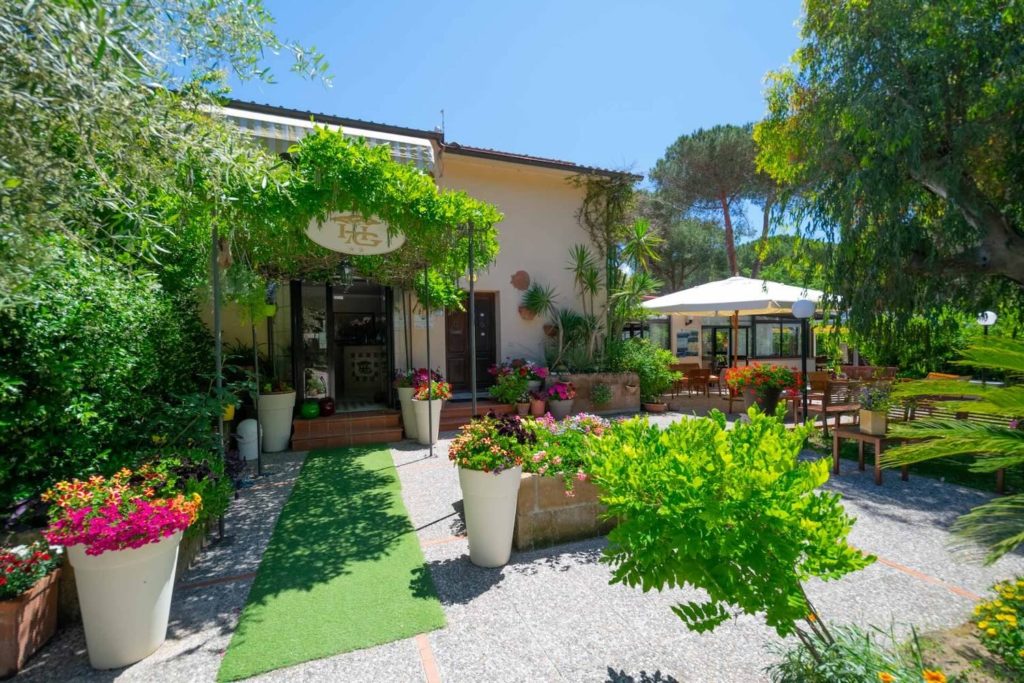
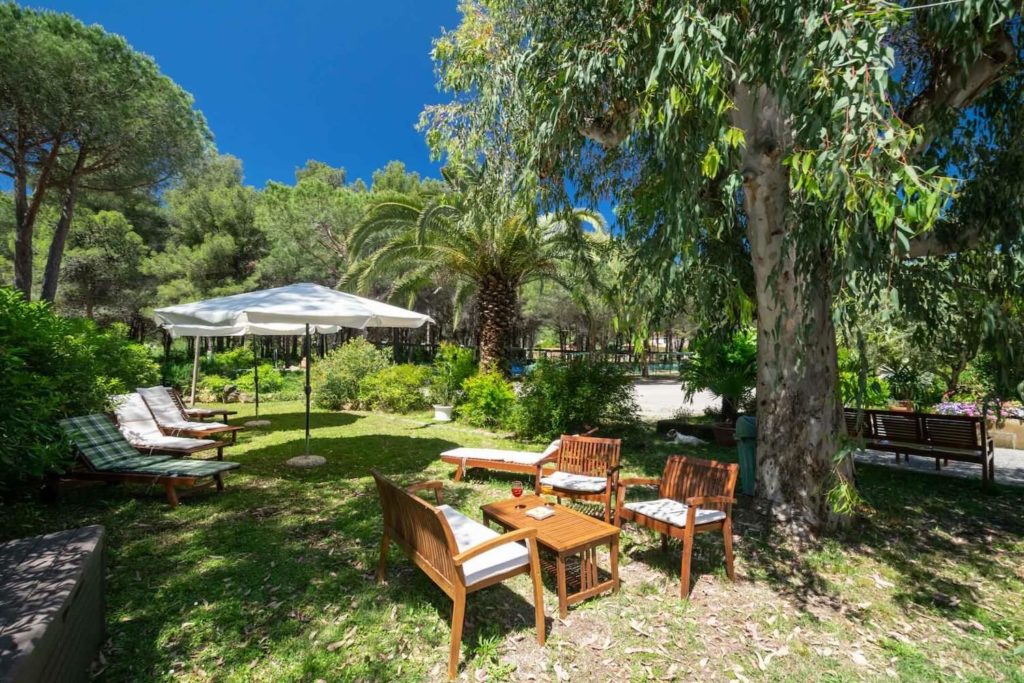
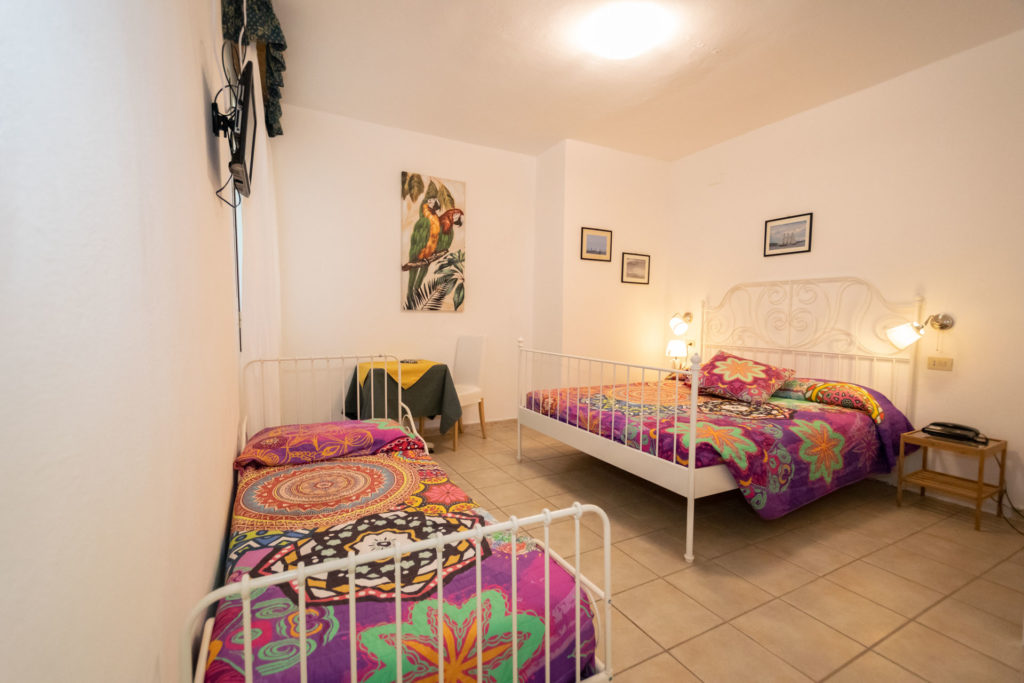
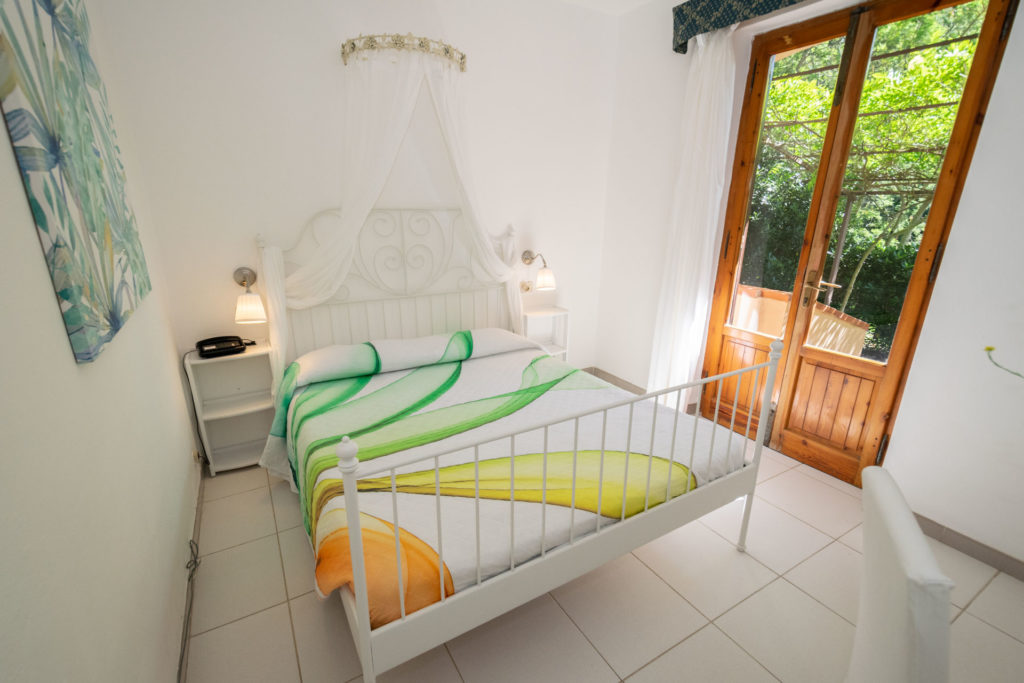
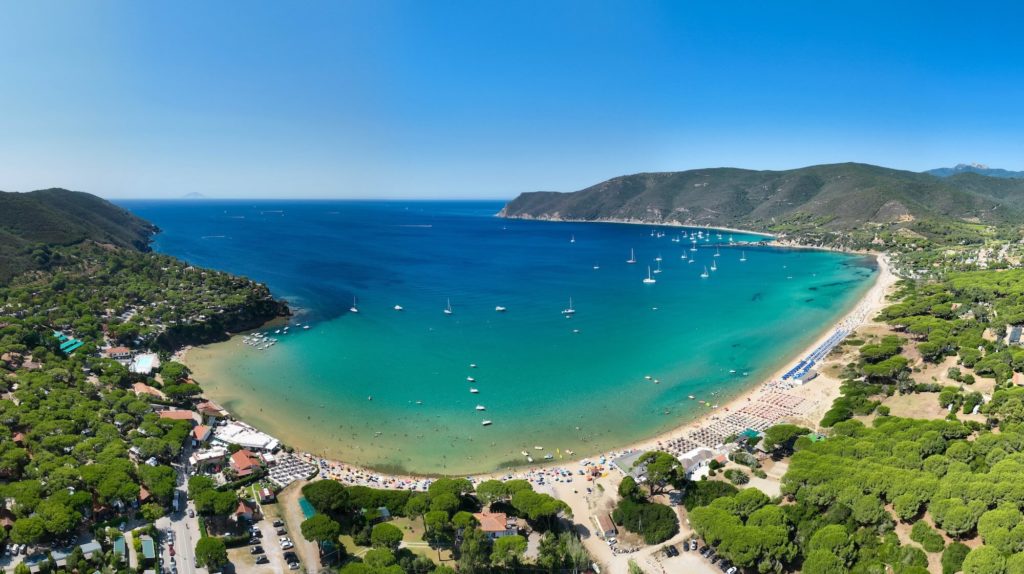
- Central location: Lacona lies roughly in the middle of Elba, so Portoferraio, Capoliveri, Porto Azzurro and Marina di Campo are all 10–15 minutes away by car . Roads radiate in every direction, allowing day trips west, east or north while returning each evening to the same hotel.
- A beach on your doorstep: The hotel is set in a 30 000 m² pine park and is just 100 m from Lacona’s 1.2 km sandy beach, reached via a short path through protected dunes . Guests can swim before breakfast or at sunset without using the car.
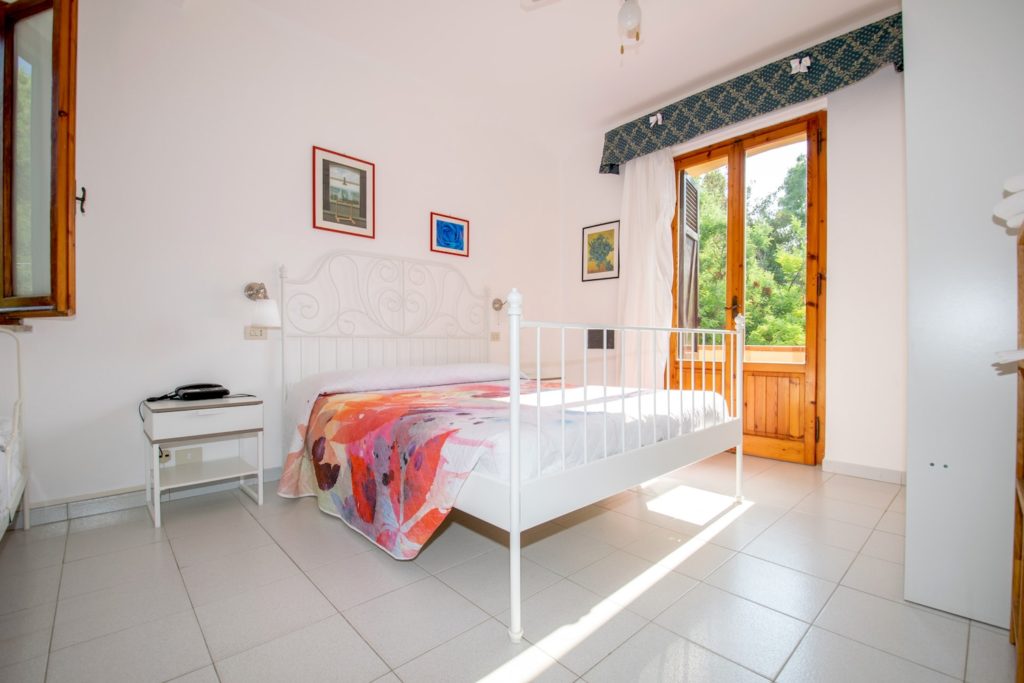
- Relaxing atmosphere: This family‑run hotel offers a peaceful retreat. Guests praise the quiet of the pine forest, the warm welcome and clean, comfortable rooms with Wi‑Fi and air conditioning . Facilities include discounted ferry tickets, bike storage, pet‑friendly policy and a restaurant serving homemade dishes .
Attractions near Lacona (0–15 minutes)
- Lacona beach: A wide sandy arc backed by dunes and juniper bushes; shallow water ideal for children; numerous facilities for renting umbrellas, pedal boats, sailing and windsurfing .
- Laconella cove: A small, secluded bay reached on foot in about 20 minutes or by a short drive plus path. Its calm, clear water and rocky sides are perfect for snorkelling .
- Capo Stella loop: A 6 km circular trail from Margidore to the top of Capo Stella (167 m) with panoramic views of the bays of Lacona and Stella . Suitable for all levels (1 h 30 min), recommended at dawn or dusk.
- Margidore beach: A pebbly beach facing the opposite side of the headland; wilder and quieter, with deeper water and diving sites .
- Capoliveri (15 min): Evening strolls through medieval streets full of shops and outdoor restaurants, with live music in summer .
- Marina di Campo (15 min): Home to the island’s longest beach and the Elba Aquarium and Mineral Museum – a good option for families or cloudy days .
Unmissable beaches
Elba has over 100 beaches. Here’s a selection, with notes on their character :
| Beach | Type & highlights | Ideal for |
|---|---|---|
| Lacona (south) | Long (1.2 km) sandy beach with protected dunes and all services | Families, water sports, all‑day relaxation |
| Cavoli (south‑west) | 300 m of pale sand in a sheltered bay; emerald water; lively atmosphere and beach bar | Young people, snorkellers, sun‑seekers |
| Fetovaia (south‑west) | ~400 m of fine pale‑gold sand; tropical feel; calm turquoise water and pine forest | Families, photographers, snorkelling at rocky edges |
| Marina di Campo (south) | The island’s longest beach (1.5 km) opposite the town; shallow water and full services | Families with children, people who like urban convenience |
| Sansone (north) | White pebble beach beneath white cliffs; turquoise water; accessible by a 15‑minute path | Snorkellers and those seeking natural scenery |
| Capo Bianco (north) | White pebbles and white limestone cliffs; crystal‑clear deep water | Swimmers, sunbathers, those who want easier access than Sansone |
| Enfola (north) | Isthmus creating two pebble beaches; former tuna‑fishing site; superb snorkelling | Snorkellers, walkers combining beach and panoramic trail |
| Sant’Andrea (north‑west) | Small sandy beach with smooth granite slabs forming natural sun decks and pools | Couples, snorkellers, Instagram photos |
| Other: Procchio, Lido di Capoliveri, Innamorata and Le Ghiaie each offer distinct settings – from large family‑friendly bays to romantic coves and city beaches . Distances from Hotel Giardino range from 15 to 45 minutes by car . |
Hiking and scenic walks
Elba’s mountainous terrain offers excellent hikes; many paths are marked and maintained . Top routes include:
- Monte Capanne (1 019 m): The highest point on Elba. The classic trail starts from Marciana (2½–3 hours ascent) and is demanding; a cable car from Marciana offers an easier alternative . The summit provides 360° views across the archipelago – on clear days you can see Corsica .
- Grande Traversata Elbana (GTE): A 60 km coast‑to‑coast trail divided into multiple stages; you can walk sections such as Cavo–Porto Azzurro (through old iron mines) or San Piero–Marciana via Monte Capanne . Recommended with a guide or organised group.
- Western ring (Marciana to Pomonte): Follows the ancient Via dei Pastori through Poggio, Sant’Andrea and down to Pomonte; spectacular western cliffs and sunsets .
- Capoliveri & Monte Calamita: Network of trails across former iron‑mining terrain; highlights include the mine tour at Ginevro and secluded coves Istia and Remaiolo .
- Madonna del Monte sanctuary: A short but atmospheric climb from Marciana to a 17th‑century sanctuary with springs and a grotto visited by Napoleon.
Walking is best in spring (April–May) or autumn (September–October) when flowers bloom and temperatures are mild . In summer, walk early or late and carry water.
Museums and cultural sites
Elba’s history spans the Etruscans, Romans, Medici and Napoleon. Key sites include:
- Napoleonic residences (Portoferraio): The Palazzina dei Mulini, Napoleon’s official residence, and the Villa San Martino, his summer home in the countryside . Both are national museums preserving period furnishings and artefacts; guided tours provide context.
- Medicean fortresses (Portoferraio): The Falcone and Stella bastions and the Linguella Tower guard the harbour. A “Cosmopoli Pass” allows access to the fortifications and the Archaeological Museum .
- Archaeological Museum of Linguella (Portoferraio): Displays Roman amphorae, Etruscan ceramics and a Roman ship’s prow recovered from local waters .
- Mining Museum and Park (Rio Marina): Showcases Elba’s iron‑mining heritage with mineral collections and a small train that takes visitors into the open‑pit mines . Expect to leave with red dust on your clothes!
- Museums in Capoliveri, Marciana and Marina di Campo: The Vecchia Officina museum recounts the Ginevro mine, Marciana’s Archaeological Museum displays ancient artefacts and a prized Etruscan helmet, and the Elba Aquarium and Wildlife Museum in Marina di Campo houses 150 Mediterranean species .
Must‑see villages and towns
Each town has its own personality. The table below summarises the main ones and what to see :
| Town | Character | Highlights |
|---|---|---|
| Portoferraio | Historic capital and main harbour | Medicean fortresses, Napoleonic residence Palazzina dei Mulini, walled old town, beaches Le Ghiaie and Capo Bianco |
| Capoliveri | Medieval hill town with romantic alleys | Piazza Matteotti and panoramic terraces, craft shops and wine bars, Church of San Michele, Forte Focardo, wine‑tasting and lively evening events |
| Porto Azzurro | Former Spanish port with elegant marina | Piazza Matteotti on the waterfront, Forte San Giacomo (viewed from outside), Santuario di Monserrato, evening strolls along the port |
| Marciana | Mountain village with medieval character | Pisan Fortress, narrow stone alleys, Archaeological Museum, San Lorenzo ruins, base for Monte Capanne cable car |
| Marciana Marina | Fishermen’s village turned elegant resort | Saracen Tower, Cotone fishermen’s quarter, seafront promenade, small pebble beach |
| Marina di Campo | Seaside town with long beach and nightlife | 1.5 km sandy beach, Torre di Marina di Campo, Aquarium of Elba, lively pedestrian zone |
| Rio nell’Elba & Rio Marina | Mining villages on the eastern coast | Medieval lanes and fountains at Rio nell’Elba, the octagonal Torre Appiani and Mining Park in Rio Marina |
| Other notable spots | Cavo (northeast), Pomonte and Chiessi (west), Sant’Ilario and Poggio (hill villages) | Coastal walks, Roman villa ruins, shipwreck snorkelling, wind‑surfing hotspots and quiet piazzas |
Nightlife and evening atmosphere
Elba’s nightlife is seasonal and relatively low‑key. Main hubs are Portoferraio, Marina di Campo, Capoliveri and Porto Azzurro, where you’ll find beach bars, pubs and a handful of clubs . Must‑try experiences include sunset aperitifs with DJ sets on the beach and dancing under the stars at classic venues like Club 64 (Portoferraio), Decò (Capoliveri) and the Tinello/Butterfly beach bar at Marina di Campo . Live music pubs and wine bars in towns like Portoferraio, Capoliveri and Porto Azzurro ensure there’s something for everyone . The island goes quiet in winter, so plan nightlife in summer.
Typical food and wine
Elban cuisine blends sea and land flavours :
- Fish dishes: Try cacciucco all’elbana (fish stew with tomato and chilli), tonno alla marinaresa (tuna braised with tomato and wine), polpo lesso (boiled octopus with oil and lemon) and zerri fritti (fried local fish) .
- Pasta and stews: Spaghetti allo scoglio and penne al granchio highlight shellfish, while baccalà alla riese (salt cod with potatoes) comes from the miner’s tradition .
- Vegetable dishes: Gurguglione is a ratatouille‑style stew of summer vegetables, fragrant with garlic and basil .
- Sweets: Schiaccia briaca (wine‑soaked fruit and nut cake), sportella and ceremito (Easter breads), and fichi secchi ripieni (figs stuffed with nuts and orange peel) .
- Wines and products: The Aleatico Passito DOCG is the island’s signature dessert wine; also try Elba Bianco, Ansonica and Elba Rosso. Local honey (especially corbezzolo), fig jam, caprino cheeses, boar salami and craft beers make excellent souvenirs .
Conclusion: choose your own favourite place
After touring Elba’s beaches, trails, towns and flavours, one thing is clear: there is no single “most beautiful place” . Capoliveri’s flower‑lined alleys, Portoferraio’s fortified harbour, Marciana’s mountain tranquillity, Pomonte’s sunsets and even the summit of Monte Capanne all have different appeals . The real joy lies in exploring them all, letting each village and landscape tell its story and perhaps leaving one or two for your next visit . With Hotel Giardino as your base, you can wake to the scent of pines, wander to the beach before breakfast and set off each day to find your personal Elba – whether it’s a bustling piazza, a hidden cove or a mountain path .
Embark on your journey and discover why Elba captures hearts. There are many “most beautiful” places waiting for you – the question is which one will become yours.