

Hotel Giardino in Lacona has created a comprehensive guide for travellers who want to dedicate part of their island holiday to yoga, meditation and well‑being. The family‑run hotel sits in a 30,000 m² park just a few steps from the long sandy beach of Lacona and offers comfortable rooms, home‑style cuisine and an atmosphere conducive to inner balance . This translation follows the original article’s structure and provides practical tips, recommended activities, Q&A tables and summaries for easy planning.
Why choose Hotel Giardino as a base for well‑being
A family‑run property immersed in greenery
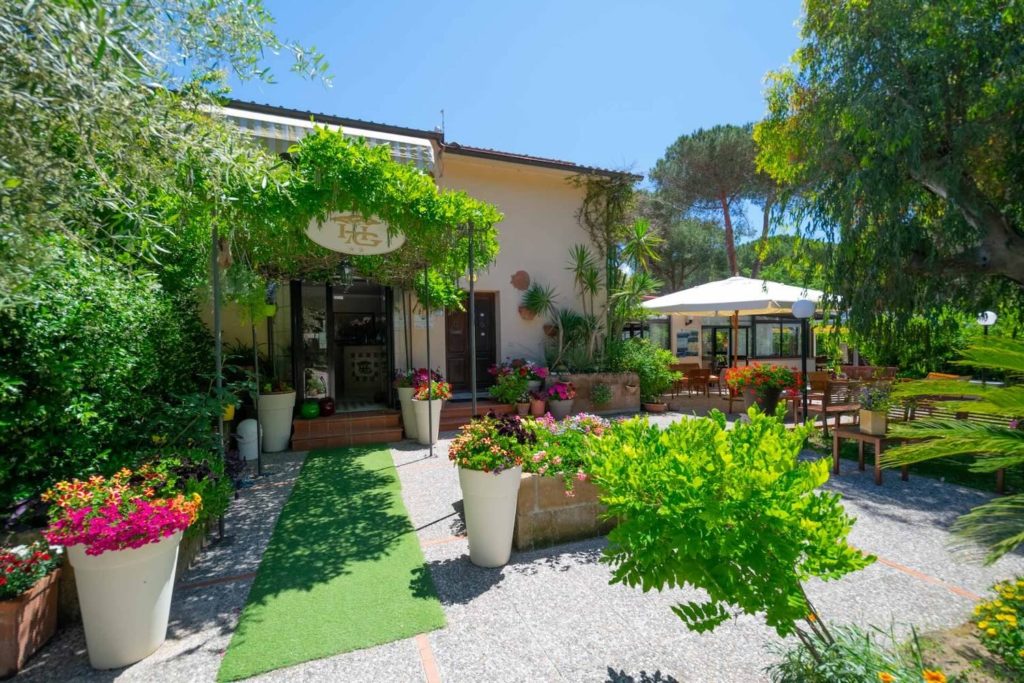
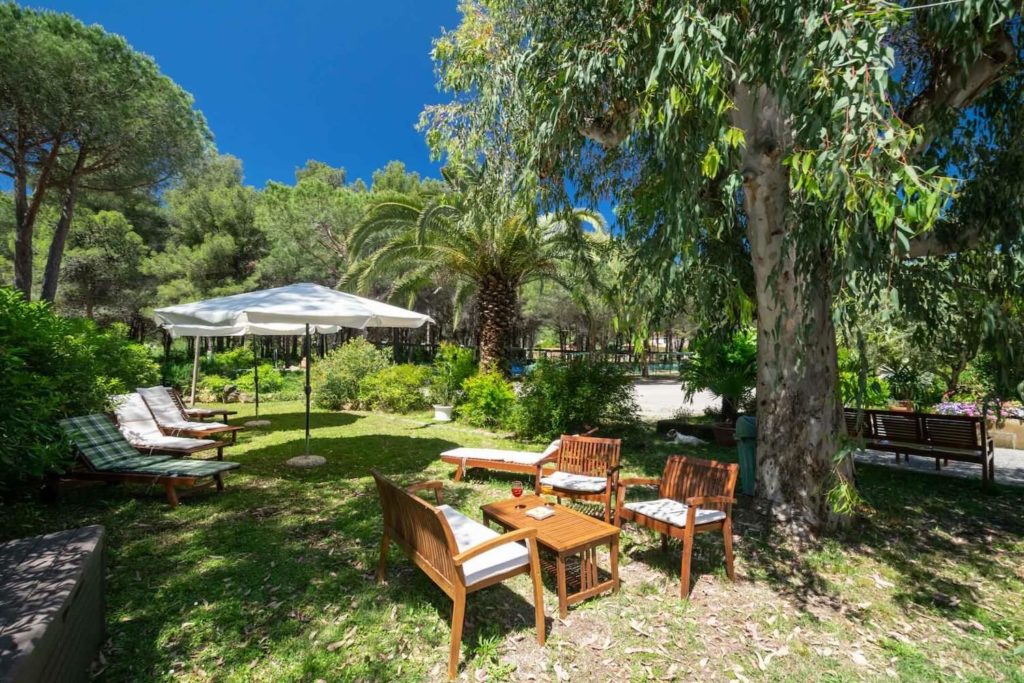
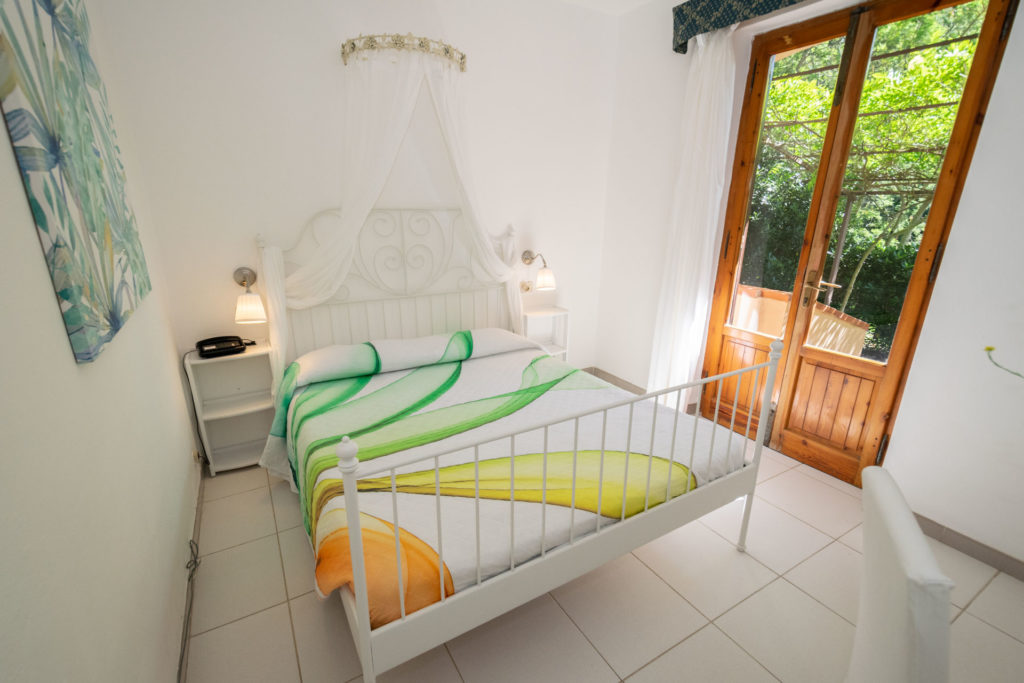
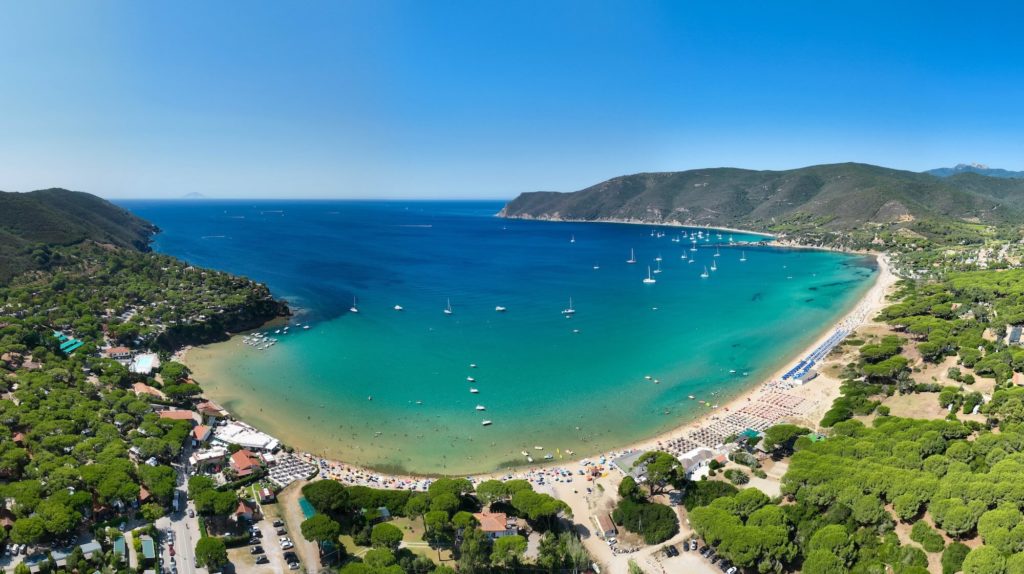
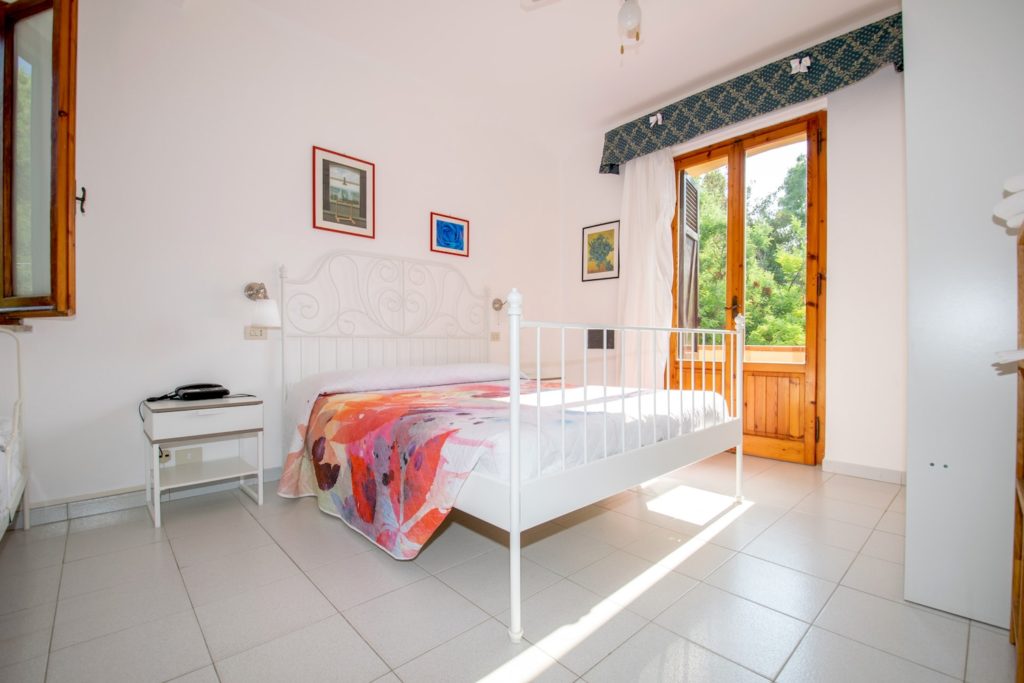
Hotel Giardino is located in Lacona on Elba’s southern coast, only a short walk from the beach . The hotel is run by a local family and is surrounded by a 30,000 m² park with Mediterranean plants and shady spaces perfect for yoga and meditation . The position between two headlands covered in maquis ensures silence and sea air; the owners cultivate a warm, genuine welcome .
Rooms and services for a stress‑free stay
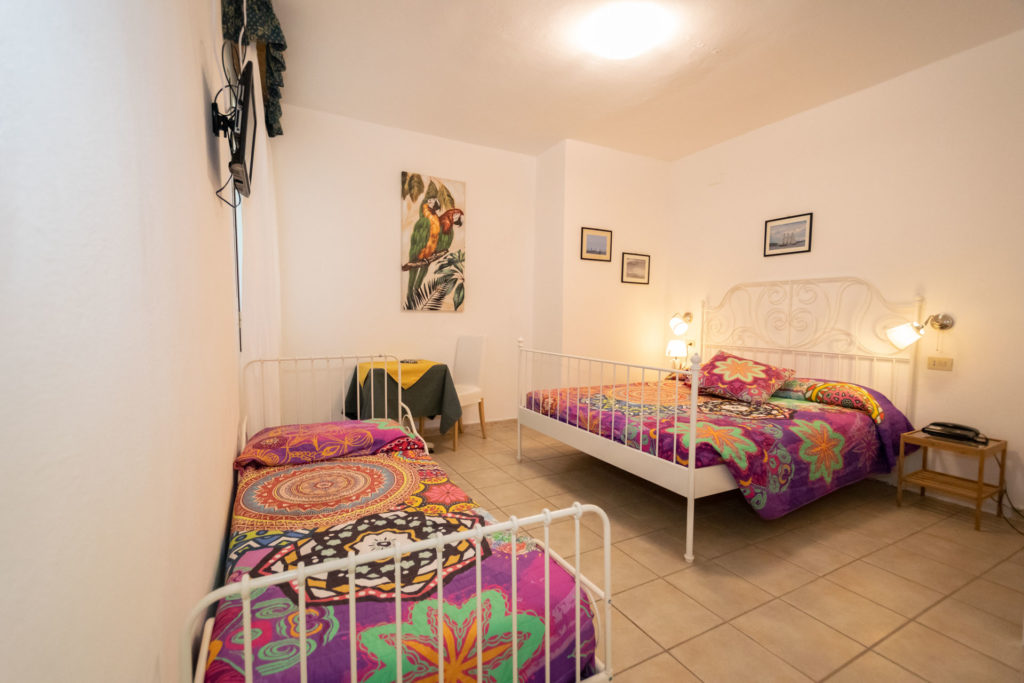
Rooms include en‑suite bathrooms with showers, satellite TV, telephone and safe; many overlook the garden or surrounding woods . Meals are served buffet‑style with home‑cooked dishes made from local ingredients; the kitchen adapts menus for children and guests with intolerances . Facilities include Wi‑Fi in communal areas, a covered bike store, discounted ferry tickets, shaded parking and a pet‑friendly policy . Such amenities let guests focus on yoga practice and exploring the island instead of logistics.
A strategic location
Lacona lies at the centre of the island. By car you can reach Porto Azzurro, Capoliveri, Portoferraio and Marina di Campo in about 10–15 minutes . The hotel stands less than 100 m from Lacona beach; crossing the protected dunes of the National Park takes you to a 1.2 km arc of golden sand . Its central location makes it easy to alternate yoga sessions in the garden with meditation on the beach at sunrise or sunset and to organise day trips across the island .
Genuine atmosphere and home‑style cuisine
The hotel exudes an informal, familial atmosphere. Staff welcome guests like friends, preparing Elban and Tuscan dishes with passion and taking care of common areas . Because the hotel is small and family‑run, mealtimes and menus can be adjusted to suit yoga practitioners: light breakfasts of fresh fruit, herbal teas and whole grains before morning practice, homemade snacks in the afternoon and dinners featuring seasonal seafood and meat specialities .
Yoga and meditation at Hotel Giardino
Spaces and classes
The park and garden provide shaded areas under palms and maritime pines where guests can lay out a mat and enjoy scented air rich with rosemary and juniper . While the hotel does not host permanent courses, it collaborates with certified teachers who organise group lessons in the veranda or on the beach . Recommended experiences include:
- Yoga with Sara Massei – Nearby Camping Village Stella Mare hosts classes by Sara Massei, who studied in India and teaches Ashtanga Vinyasa, Pranayama, meditation, Hatha Yoga, Yin Yoga and Vinyasa Flow . She invites students to listen to their breath, uses mantras and Reiki and adapts practice for beginners and children . Lessons are paid and must be booked but are open even to non‑camping guests .
- Retreats at Villa Shanti – About 3.5 km from Marciana Marina, Villa Shanti offers retreats for groups of 2–6 people with apartments, a heated pool, sauna and massages . Practices include therapeutic yoga, SUP yoga, guided treks and e‑bike tours along the Costa del Sole . Sessions run at dawn on the beach or at sunset in the hills .
- Meditation in nature – Within the hotel’s park there are secluded spots with wooden seats among cork and olive trees where guests can meditate at any time. Early mornings are ideal for meditating to the sound of the sea . Occasionally, guided meditation sessions are organised with local instructors and evening “gong baths” in the garden accompany deep relaxation .
Frequently asked questions about yoga and meditation
| Question | Brief answer |
|---|---|
| Do I need to be an expert to join classes? | No; the sessions recommended by Hotel Giardino suit all levels, and teachers offer variations for beginners and advanced practitioners . |
| Where do sessions take place? | In the hotel park, on the veranda, on Lacona beach and at partner venues such as Camping Stella Mare and Villa Shanti . |
| Should I bring my own mat? | Bringing your own mat is advisable. The hotel has a few mats, but for hygiene reasons personal equipment is preferred . |
| Are retreats organised all year round? | Villa Shanti offers multi‑day retreats in spring and autumn; in summer there are daily beach lessons and gong baths in the hotel garden . |
| Can I meditate freely in the park? | Yes. Guests are encouraged to use the park for independent meditation at any time . |
| Are the classes free? | Some, like Sara Massei’s, require a fee; the hotel can include yoga packages in the stay on request . |
Daily routine of well‑being
Hotel Giardino suggests structuring your day to balance movement, relaxation and nourishment :
- Sunrise on the beach – Start barefoot on Lacona’s sand, practising pranayama while the sun rises over Capo Stella .
- Light breakfast – Enjoy a buffet with fresh fruit, yoghurt, whole‑grain cereals, homemade bread and infusions; staff prepare coffees and juices to your liking .
- Morning yoga practice – Join a class in the garden or on the beach, or practise autonomously on the hotel lawns .
- Excursion or relaxation – After practice, go trekking on Capo Stella, swim in Lacona’s waters or visit one of the island’s villages; alternatively, relax in the shade with a book or in a hammock .
- Lunch with local produce – Lunchtime menus include salads, pasta with seasonal vegetables and grilled fish, prepared in the hotel’s kitchen .
- Afternoon meditation – Meditate in the garden, join breathing workshops or book a holistic massage .
- Sunset aperitif – In the evening the hotel organises aperitifs with Elban wines and snacks while you watch the sun set over Golfo di Lacona and Capo Stella .
- Convivial dinner – Dinner is a generous buffet with traditional dishes (such as fish soup, stuffed squid or wild boar pappardelle) and vegetarian options . After dinner, stroll on the beach or join music and dance evenings in the garden .
The beaches of Lacona and surroundings
Lacona
Lacona beach, second only to Marina di Campo in length, is a broad curve of golden sand sloping gently into turquoise water . Protected dunes covered with juniper and sea lilies separate the beach from the road and hotel; a short path leads to the shore . There are both serviced areas and free zones. The shallow seabed makes it ideal for families.
Laconella
West of Lacona, after a brief walk through Mediterranean scrub, lies the small bay of Laconella . It has fine sand, crystal‑clear water and no services. The scenery is unspoilt, with views of Pianosa and Montecristo. The hotel’s blog recommends this beach to families for its manageable size and snorkelling among nearby cliffs .
Margidore
On the opposite side of the bay, sheltered from the Scirocco wind, Margidore is a dark‑pebble beach loved by sailors . There is a small harbour from which boat and snorkelling excursions depart. The trail to Capo Stella starts here. Margidore offers spectacular views of Golfo Stella and is less crowded than Lacona .
Comparative table of beaches
| Beach | Shore type | Main features | Ideal for |
|---|---|---|---|
| Lacona | Golden sand, ~1.2 km | Shallow seabed, both serviced and free areas; dunes with junipers; near Hotel Giardino | Families, water sports, sunrise meditation |
| Laconella | Fine sand; small bay | Access by footpath; clear water; no services | Couples, snorkelling, nature lovers |
| Margidore | Dark pebbles | Small harbour; starting point for Capo Stella; quieter than Lacona | Sailors, kayaking, excursions |
Hikes and trekking
Capo Stella loop
Trail 258 encircles the Capo Stella headland, starting from Margidore . This 6.6 km loop with 217 m of elevation gain takes about 1.5 hours. It suits families and offers views of the gulfs of Lacona and Stella, traversing holm oak and eucalyptus forests and cliffs of ophiolitic rocks . Variants 257 and 257A allow shorter returns. FAQs note that children can manage the route, good shoes and water are advisable and sunset walks are particularly romantic .
Grande Traversata Elbana (GTE)
Experienced hikers can tackle the Grande Traversata Elbana, a network of trails crossing the island from east to west . From the southern side, paths like Via dei Rosmarini and Via dei Lecci connect Marina di Campo and Lacona to other locations. These routes climb Monte Pagne and the island’s ridge through maquis, chestnut woods and panoramic cliffs .
Ascent of Monte Capanne
Monte Capanne, at 1,019 m, is the highest peak on Elba and in the Tuscan Archipelago . You can reach it on foot from the village of Marciana or by a cable car from Marciana’s centre. The cable car takes about 18 minutes; hiking requires 2–3 hours and climbs about 785 m . Along the way you pass chestnut forests and granite rocks and may encounter wild boar, mouflon and birds of prey . The summit offers 360‑degree views of Pianosa, Capraia, Montecristo and even Corsica on clear days . Spring and autumn are recommended; wear trekking shoes, carry water and sun protection .
Monte Perone and the Butterfly Sanctuary
Accessible by car from Marina di Campo, Monte Perone has picnic areas with tables and barbecues . It hosts the Butterfly Sanctuary trail, dedicated to pollinating insects; visitors can observe numerous butterfly species in holm oak and chestnut woods . It’s ideal for family picnics and walks.
Hikes for experienced athletes
Besides Monte Capanne, Elba offers via ferratas and technical trails for trained hikers . Notable routes include the ascent of Monte Calamita on the Capoliveri peninsula, where old magnetite and pyrite mines are linked by trekking and mountain‑bike paths, and the ridges of Monte Giove and Monte Orello, which provide spectacular views of the archipelago .
Summary table of main treks
| Itinerary | Length & elevation | Duration | Difficulty | Points of interest |
|---|---|---|---|---|
| Capo Stella loop | 6.6 km; +217 m | ≈1 h 30 min | Easy | Views over Lacona and Stella; ophiolitic cliffs; Mediterranean scrub |
| Ascent of Monte Capanne | ~9 km from Marciana; +785 m | 5–6 h return | Challenging | Highest peak; views of Corsica and the archipelago; wildlife |
| Grande Traversata Elbana (segments) | Variable | 4–8 h per stage | Medium–difficult | Via dei Rosmarini, Via dei Lecci; crossing the island |
| Monte Perone – Butterfly Sanctuary | Short trail | 45 min – 1 h | Easy | Picnic tables; butterfly observation; chestnut groves |
Sea excursions and aquatic activities
Snorkelling and diving
The waters around Lacona contain posidonia meadows and rocky reefs rich in life . Hotel Giardino collaborates with diving centres that organise snorkelling trips and guided dives. The seabed in front of Lacona is ideal for spotting octopus, sea bream and starfish; deeper dives explore the Secca di Fonza or the rocks of Capo Stella .
Boat trips to Pianosa
From Porto Azzurro or Marina di Campo you can take day trips to Pianosa Island, a nature and archaeological reserve . The National Park offers packages including the ferry from Piombino, visits to the village, the Geological and Archaeological Sciences Museum and the early Christian catacombs with some 700 graves . Excursions include 6 hours on the island with guided walks of 2–2.5 hours . Tours by mountain bike follow old prison routes and finish at the maximum‑security penitentiary “Agrippa”, closed since 1998 . There is a bar–restaurant and the Hotel Milena on the island.
Sunset cruises and dolphin watching
Boat trips in Golfo di Lacona and Golfo di Stella visit hidden coves and allow you to watch the sunset from the sea . Some operators offer itineraries to observe bottlenose and striped dolphins living between Elba and Pianosa; the 3–4‑hour outings include snorkelling .
Kayaking, SUP and windsurfing
Lacona’s bay is perfect for kayaking and stand up paddleboarding, especially in the calm mornings . Equipment can be rented on the beach and guided coastal tours are available . Thermal winds in the afternoon create good conditions for windsurfing and kitesurfing; local schools offer courses in sailing, windsurf and kitesurf .
Summary table of marine activities
| Activity | Typical duration | Description | Recommended for |
|---|---|---|---|
| Snorkelling in Lacona | 1–2 h | Explore posidonia meadows and marine life; departures from the beach or boat | Families, sea lovers |
| Dive at Secca di Fonza | 3–4 h | Deeper dive with guide; encounter gorgonians and groupers | Experienced divers |
| Trip to Pianosa | 7–8 h (including navigation) | Ferry, guided island visit, village, museums and catacombs; optional trekking or MTB | History, nature and archaeology enthusiasts |
| Dolphin watching | 3–4 h | Boat excursion to spot bottlenose and striped dolphins; includes snorkelling stop | Children, couples |
| Sunset cruise | 2–3 h | Evening navigation in Golfo di Lacona; aperitif on board and swim | Romantic travellers |
| Kayak/SUP | 1–2 h | Coastal excursion on your own or with guide; best in the morning | Active visitors |
| Windsurf/kitesurf | 1–2 h lessons | Local schools offer courses and rental | Adventurers |
Romantic experiences for couples
Sunset walks on Capo Stella
Walking the Capo Stella loop at sunset is one of the most romantic experiences on the island. Warm light illuminates the cliffs and the two gulfs, offering spectacular photographs; afterwards you can enjoy a moonlit picnic on Laconella beach .
Cable car to Monte Capanne
A must for couples is the cable car to Monte Capanne. The 18‑minute journey glides over chestnut forests and medieval villages before reaching the summit, where you can hold hands and admire a 360‑degree view . The cable car closes at sunset in summer; check the schedule and bring a jacket .
Dinner in Porto Azzurro
Porto Azzurro’s streets are perfect for a romantic evening. Piazza Matteotti, one of the island’s most beautiful squares, is lined with restaurants serving fresh fish and local wine . After dinner, stroll to the marina to admire the illuminated boats .
Private cruises and wine tours
In summer it’s possible to rent private boats to explore secluded coves, snorkel in solitude and dine on board . For wine lovers, the hills of Capoliveri house wineries offering tastings and vineyard tours, with the chance to buy the celebrated Aleatico dell’Elba .
FAQs for couples
| Question | Answer |
|---|---|
| What is the most romantic experience? | A sunset cruise with aperitif and a swim in crystal clear waters is considered one of the most intimate and evocative moments . |
| Where to take couple photos? | At the Capo Stella viewpoint, on the summit of Monte Capanne and among the colourful houses of Porto Azzurro . |
| Are there food and wine itineraries? | Yes; in Capoliveri you can visit wineries and taste wine, honey and olive oil, often paired with bike routes . |
Activities for families
Hotel Giardino welcomes families by providing triple and quadruple rooms, high chairs and dedicated menus. There is a small playground with swings and a slide . Recommended activities include:
- Safe beaches and water games – The beaches of Lacona and Marina di Campo have fine sand and shallow water, ideal for children. You can rent pedal boats, canoes and SUP boards or enrol in sailing and windsurf courses for kids .
- Nature trails and picnics – The Capo Stella trail suits children of all ages; turn it into a treasure hunt by spotting aromatic plants and animal tracks. On Monte Perone there are picnic areas where children can run among the trees and watch butterflies .
- Visit to the Elba Aquarium – In Marina di Campo the Elba Aquarium showcases many Mediterranean species. It is an educational outing where children can learn about the marine life they will see while snorkelling .
- Medieval villages – Kids will enjoy exploring Fort San Giacomo in Porto Azzurro, a fortress built in 1603 by Philip III of Spain , and the Appiani Tower in Marciana Marina, a 12th‑century tower with panoramic views . Visits can be turned into pirate adventures.
- Events for children – Summer events feature entertainment, theatre and creative workshops. Capoliveri’s Grape Festival includes traditional games and tastings ; Porto Azzurro’s feast of St James on 25 July has fireworks and stalls .
Capoliveri: sea, mines and traditions
The village
Capoliveri is a picturesque hill town about 167 m above sea level. Once known as Caput Liberum, it overlooks the south‑eastern coast and the Gulfs of Lacona and Stella . Its medieval alleys are full of shops, bars and restaurants that host cultural events and festivals . The official tourism site notes that Capoliveri’s territory includes wild beaches like Laconella and Remaiolo, long serviced beaches such as Lacona, Lido and Naregno, and numerous cycling and walking trails thanks to the Capoliveri Bike Park . The southern area known as Calamita contains old magnetite and pyrite mines, which can be visited on guided excursions .
Monuments and museums
Capoliveri also has historical and religious sites: the Sanctuary of Madonna delle Grazie (17th century), the Church of San Michele and Forte Focardo, a Spanish fort built in 1678 to protect the port of Mola . Don’t miss the Sea Museum, which houses artefacts from the Roman shipwreck Polluce .
Events
The village is known for two traditional events :
- Grape Festival (first weekend of October) – The four districts (Fortezza, Fosso, Baluardo and Torre) compete in games, parades and tastings; on Sunday a costumed procession crosses the town and judges award the Bacco trophy .
- Legend of the Innamorata (14 July) – At sunset a torchlit procession reenacts the love story between Maria and Lorenzo on Innamorata beach . Rowers light torches on the sea while the story is dramatized; the event includes performances, fireworks and tastings of local dishes .
Beach table for Capoliveri
| Beach | Shore type | Notes |
|---|---|---|
| Laconella | Fine sand | Small, unspoilt bay accessible on foot |
| Remaiolo | Mixed sand and pebbles | Reachable by boat or trail; wild setting |
| Lido | Golden sand | Beach clubs, restaurants; ideal for families |
| Naregno | Sand/pebbles | On the north side; sailing schools |
| Innamorata | Dark sand and pebbles | Setting of the legend of Maria; romantic; with services |
| Madonna delle Grazie | Pebbles | Sheltered cove with church; crystal‑clear water |
Porto Azzurro: Spanish history and crystal‑clear water
Origins and identity
Porto Azzurro, formerly Portolongone, was a fortified fishing village built by Spanish governors to defend the island from pirates . The name changed in 1947 to make it more welcoming for tourists . Piazza Matteotti, one of the largest and most beautiful squares on Elba, is lined with palm trees and cafés .
Forte San Giacomo
The town’s symbol is the 17th‑century Forte San Giacomo, commissioned by Philip III of Spain and designed on the model of the fortress of Antwerp . Built to protect the city from pirate attacks, it later became a prison. Some areas are open to visitors and offer panoramic views .
Churches and sanctuaries
Important religious buildings include the Church of the Madonna del Carmine and the Church of San Giacomo Maggiore . Outside town, on a rocky spur reached by a walk, stands the Sanctuary of Madonna di Monserrato, erected in 1606 as a replica of the Catalan sanctuary ; it houses an image of the Madonna brought from Barcelona and is a pilgrimage site .
Nearby beaches
The closest beach is La Pianotta, with clear water, fine pebbles and rocks – perfect for a quick swim before lunch . Nearby are Barbarossa (dark sand and services), Reale (pebbles and fish‑rich seabed) and Terranera, distinguished by a green lake formed by an old pyrite mine .
Events and folklore
Porto Azzurro celebrates St James on 25 July with processions, fireworks, concerts and market stalls . On 8 September the Madonna of Monserrato is honoured with a procession to the sanctuary and a local festival . During summer the port hosts evening markets, musical performances and seafood festivals .
FAQs about Porto Azzurro
| Question | Answer |
|---|---|
| How far is Porto Azzurro from Hotel Giardino? | About 10 km; it takes around 15 minutes by car . |
| Can you visit the fort? | Only certain areas are open; the interior still functions as a prison . |
| Which beach is best for children? | La Pianotta and Barbarossa, thanks to their shallow seabed and services . |
Portoferraio: historical capital and gateway to the past
History and Napoleon
Portoferraio is the island’s main port and usually the first place visitors see. Its name comes from the iron furnaces that made the town prosperous in the 19th century . When Napoleon Bonaparte was exiled to Elba in 1814 he chose Portoferraio as the capital of his principality, building infrastructure, roads and two residences: Villa dei Mulini in town and Villa San Martino in the countryside . His reforms brought economic and social revival and the city became a cultural crossroads .
Fortifications and museums
Portoferraio was founded as a fortified town; today visitors can explore the Medicean bastions and forts that protected the harbour . Highlights include :
- Grotte Monumentali – A Roman complex from the 1st century BC with mosaics, baths and cisterns .
- Forte Stella – A star‑shaped bastion built in 1548, home to one of Europe’s oldest lighthouses .
- Torre del Martello (Passannante) – A tower at the harbour entrance housing an archaeological museum with Etruscan amphorae .
- National Museum of the Napoleonic Residences – Includes Villa dei Mulini and Villa San Martino with original furnishings and Napoleonic memorabilia .
- Forte Falcone – Part of the Medici fortifications offering panoramic views .
Beaches and sea
Despite being an urban centre, Portoferraio boasts some of the island’s most beautiful beaches: Le Ghiaie (white pebbles and transparent waters), Sansone (white sand and clear water), Capo Bianco (small white pebbles and turquoise sea) and the sandy beaches of Biodola and Scaglieri just outside town .
Cultural events
Each September Portoferraio hosts the “Elba Isola Musicale d’Europa” festival of classical and jazz music . In mid‑April the gastronomic event “Polpando e gli antichi sapori” celebrates octopus with tastings . The Teatro dei Vigilanti, built from a deconsecrated church by Paolina Bonaparte, presents concerts and shows throughout the year .
FAQs about Portoferraio
| Question | Answer |
|---|---|
| Can you visit the Napoleonic villas? | Yes; Villa dei Mulini and Villa San Martino are museums open to the public . |
| Which beach is closest to the harbour? | Le Ghiaie, a few minutes’ walk from the port . |
| When is it best to visit Portoferraio? | Spring and autumn offer mild weather and fewer crowds; July and August are very busy . |
Marina di Campo: endless beach and maritime traditions
The village and beach
Marina di Campo is one of the island’s best‑known resorts. Its 1,300‑m golden beach, the longest on Elba, is framed by a pine forest and a picturesque old town dominated by a 17th‑century tower . Historically, it was an important export point for granite; today the colourful wooden boats add charm to the landscape.
Cultural and natural attractions
Above Marina di Campo lie the villages of Sant’Ilario and San Piero, known for millennia‑old granite quarries and Romanesque churches . Between them stands the Tower of San Giovanni, while traces of Neolithic settlements dot Mount Cocchero . The town also houses the Elba Aquarium and the Church of San Gaetano .
Beaches nearby
Near the main beach are two famous coves: Cavoli, with light sand and clear water, popular among young people for its lively atmosphere and sports , and Fetovaia, a stunning bay with turquoise water and lush vegetation .
Events and practical tips
Marina di Campo celebrates St Gaetano on 7 August with processions, concerts and fireworks . To reach the town you can take a ferry to Portoferraio and then drive or bus 20 km; Elba’s airport is only a few kilometres away .
FAQs about Marina di Campo
| Question | Answer |
|---|---|
| How long is Marina di Campo’s beach? | About 1,300 m; it is the island’s longest and ideal for families . |
| Which other beaches are nearby? | Cavoli and Fetovaia, both with fine sand and clear water . |
| How do I reach Marina di Campo from Hotel Giardino? | It takes 20–25 minutes by car via Lacona and the provincial road towards Procchio . |
Marciana and Marciana Marina: ancient villages and wild nature
Sea and mountain stories
On the slopes of Monte Capanne stand the towns of Marciana and Marciana Marina, which combine maritime traditions with mountain landscapes . Blu Navy describes Marciana Marina as a “jewel of Elba” with granite‑paved lanes, pastel houses and a waterfront shaded by centuries‑old tamarisk trees . The town was once an important centre for tuna fishing and wine production .
Things to see in Marciana Marina
- Appiani Tower – Built in the 12th century to defend against pirates; it offers panoramic views .
- Seafront – A promenade lined with tamarisks and dotted with cafés, gelaterias and shops .
- Church of Santa Chiara – An 18th‑century baroque church with frescoes and a cosy atmosphere .
- Beaches Fenicia and Sant’Andrea – The first is a white‑pebble beach ideal for snorkelling; the second has granite formations creating natural pools for children .
Marciana
Located at 375 m above sea level, Marciana is one of the island’s oldest settlements, founded in 35 BC . Its medieval streets and stairways recall its role as a bulwark against Saracen raids, centred on the Appiani fortress . The Archaeological Museum of Marciana narrates Elba’s history from prehistory to the Etruscans . The cable car to Monte Capanne departs from the village .
How to get to Marciana Marina
From Lacona, take the scenic road via Poggio and Marciana; the drive takes about 30 minutes . Stop in the chestnut woods for a picnic and visit the Sanctuary of Madonna del Monte, a spiritual site immersed in nature .
FAQs about Marciana and Marciana Marina
| Question | Answer |
|---|---|
| What is the difference between Marciana and Marciana Marina? | Marciana is an ancient mountain village; Marciana Marina is its seaside harbour with promenade and beaches . |
| Can you reach Monte Capanne from Marciana Marina? | You must go to Marciana (about 15 minutes) to take the cable car . |
| Which beach is best for children? | Sant’Andrea, thanks to natural pools formed by granite rocks . |
Other places and attractions
Rio Marina and the Mining Park
On the eastern side, Rio Marina preserves a past linked to iron extraction. The Mining Park offers guided tours by little train through old mines and houses a mineralogical museum . Nearby beaches like Cala del Liscone and Ortano have dark sand with metallic reflections . The village has an octagonal fort and a clock tower .
Pomonte and the Costa del Sole
On the south‑western coast, the village of Pomonte attracts divers: just off the shore lies the wreck of the Elviscot, sunk in 1972 . The area forms part of the Costa del Sole, known for spectacular beaches such as Fetovaia and Seccheto and panoramic trails .
Montecristo, Capraia and Gorgona
Cruises depart from Portoferraio to the other islands of the Tuscan Archipelago. Montecristo is an integral reserve that can only be visited with a permit; Capraia has a fortified village, volcanic trails and clear waters; Gorgona hosts the last agricultural penal colony in Italy and can be visited on organised excursions .
Elban cuisine: flavours between sea and land
Typical specialities
Elban cooking reflects its history of fishing, agriculture and maritime trade. At Hotel Giardino you can taste dishes prepared with local ingredients :
- Cacciucco alla livornese – Stew of rock fish, shellfish and molluscs served with toasted bread .
- Gurguglione – Vegetable stew of aubergines, courgettes, peppers and tomatoes, slowly cooked with olive oil and basil .
- Schiaccia briaca – Cake with nuts, pine nuts, raisins and Aleatico wine, typical of Rio nell’Elba .
- Sburrita – Cod soup with garlic, chilli and bread .
- Stuffed squid – Squid filled with breadcrumbs, cheese and herbs .
- Aleatico dell’Elba DOCG – A sweet wine made from Aleatico grapes, perfect with desserts .
Local products
Elba boasts centuries‑old olive trees producing delicate, fragrant oil; bees collect nectar from cistus and rosemary, creating aromatic honey . Vineyards in Capoliveri and Porto Azzurro make red wines such as Sangiovese and white wines like Ansonica . Farmers’ markets sell goat cheeses, preserved fish, fig jam and craft beers .
Gastronomic tips
After a day of trekking or meditation, treat yourself to a dinner of fresh fish at a restaurant on Porto Azzurro’s harbour . If you visit Portoferraio in April, try the “Polpando e gli antichi sapori” festival dedicated to octopus . During Capoliveri’s Grape Festival you can taste wines and typical dishes in a festive atmosphere .
Events and seasons: when to visit the island
Spring (March–May)
Spring sees the island blooming with gorse; temperatures are mild and trails uncrowded . It is ideal for yoga retreats, trekking and cultural visits. In April Portoferraio hosts the octopus festival .
Summer (June–August)
Summer is lively: long days, warm sea and busy beaches. In June and July sailing, windsurf and kitesurf courses take place ; mid‑July features the Legend of the Innamorata; on 7 August Marina di Campo celebrates St Gaetano and on 25 July Porto Azzurro honours St James . Hotel Giardino organises live music evenings, wine tastings and gong baths during the summer .
Autumn (September–November)
September is perfect for those seeking tranquillity: the sea is still warm but beaches empty . Portoferraio hosts the “Elba Isola Musicale d’Europa” festival and Capoliveri celebrates the Grape Festival . In the woods it is chestnut and mushroom season; hikers enjoy golden landscapes and ideal temperatures .
Winter (December–February)
Winter is the quietest time; many hotels close but the mild climate still offers contemplative meditation on deserted beaches and in the woods . Christmas markets and concerts enliven the villages .
Practical holiday planning
Getting to the island
Elba is connected to the mainland by ferries from Piombino to Portoferraio, Rio Marina and Cavo. The company Blu Navy runs crossings of about one hour and provides tourist information . Book tickets in advance, especially on summer weekends . Those arriving from afar can fly to Elba’s airport in Marina di Campo, served by seasonal flights .
Getting around
Hotel Giardino offers free parking and recommends exploring the island by car . Buses connect the main towns, and in some periods you can take your bicycle on board . For hidden coves, rent a scooter, e‑bike or boat .
What to pack
- For yoga: mat, comfortable clothing, water bottle .
- For hiking: hiking shoes, light backpack, poles, hat and sunscreen .
- For the beach: swimsuits, towel, eco‑friendly sunscreen, mask and snorkel .
- For evenings: sweatshirt or light jacket (especially for boat trips at sunset); smart clothes for romantic dinners .
- For meditation: cushion or bench, journal for notes, insect‑repellent spray .
Conclusion
A holiday on Elba is not only about the sea: it offers an inner journey and a chance to rediscover balance between body and mind. Hotel Giardino provides the ideal setting thanks to its natural surroundings, family care and proximity to historical and natural attractions . Here you can practise yoga and meditation, savour Elban cuisine, explore unspoilt beaches, scenic trails and villages rich in traditions. Whether you are a family seeking fun, a couple looking for romance or a solo traveller wanting to recharge, Hotel Giardino promises an unforgettable experience . Bring only your desire to discover and let yourself be surprised by the magic of Elba.